Pigeon Pose (Kapotasana)
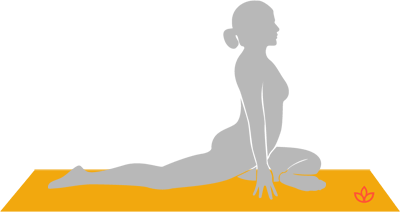
Pigeon Pose, or Kapotasana (pronounced cop-oh-TAH-sah-nah), is a fundamental yoga asana belonging to the category of seated hip openers and gentle backbends. The Sanskrit term "Kapotasana" translates to "Pigeon Posture," with "Kapota" meaning pigeon and "asana" meaning posture or seat. This deeply beneficial pose is renowned for its profound stretch in the hips, making it a staple in many yoga sequences, especially those focused on releasing tension in the lower body.
Considered a beginner-level pose, Kapotasana is often a gateway to more advanced hip-opening variations, such as One-Legged King Pigeon Pose A. It offers practitioners a chance to explore hip flexibility and find release in an area that commonly holds stress and tightness.
What is Pigeon Pose?
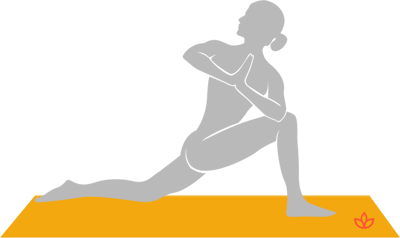
Pigeon Pose serves as a foundational hip-opening posture, often described as a "half-split" variation. In this pose, one leg actively extends backward, while the front leg bends, bringing the calf and outer thigh to the mat. The torso remains upright, allowing for a gentle lift through the chest. This configuration provides an intense, yet accessible, stretch for the outer hip of the bent leg and the hip flexors of the extended leg. It's a wonderful pose to incorporate into your practice, and a good Pigeon Pose generator can help you find variations.How to Practice Pigeon Pose (Kapotasana)
Follow these steps to safely and effectively practice Pigeon Pose:
- Begin in Downward-Facing Dog: Start on all fours, then lift your hips towards the ceiling, forming an inverted V-shape with your body.
- Bring Forward the Front Leg: Exhale and draw your left knee forward, placing it behind your left wrist. Angle your left shin so that your left foot is near your right hip, or as parallel to the front edge of your mat as your flexibility allows. Position your calf and the outer edge of your left thigh on the floor.
- Extend the Back Leg: Gently slide your right leg straight back behind you, keeping your toes untucked and the top of your foot on the floor. Ensure your hips remain as level as possible, avoiding tilting to one side.
- Lower the Pelvis: Slowly lower your pelvis toward the floor. If your hips are significantly off the mat, you can place a blanket or block under your left hip for support.
- Support the Torso: Place your fingertips on the floor beside your hips to maintain an upright torso. Draw your shoulders back and down, opening your chest.
- Gaze Forward: Keep your gaze softly forward, or if comfortable, allow your head to naturally align with your spine.
- Breathe and Hold: Breathe deeply and evenly throughout the pose, allowing your hips to gently release with each exhale. Hold for a comfortable duration.
- Release and Switch Sides: Inhale to slowly lift your torso, then gently press back to Downward-Facing Dog or a tabletop position to release the leg. Repeat the sequence on the right side.
Benefits of Pigeon Pose
Kapotasana offers a wealth of physical and energetic benefits:
- Opens the Hips: This pose delivers a deep and effective stretch to the hip rotators and flexors, alleviating tightness and increasing range of motion.
- Improves Blood Circulation: By compressing and then releasing the tissues around the hips and pelvic region, Kapotasana can enhance blood flow.
- Boosts Energy: Releasing tension in the hips can free up stagnant energy, leading to a feeling of invigoration.
- Improves Focus and Stills the Mind: The sustained stretch and focused breathing required for Pigeon Pose can help to quiet mental chatter and improve concentration.
- Stimulates Organ Systems: The gentle compression and stretch in the abdominal area are believed to stimulate the reproductive, nervous, and endocrine systems.
- Improves Digestion: Stimulation of the abdominal organs can also aid in healthy digestion.
Cautions and Contraindications
While Pigeon Pose is highly beneficial, it's essential to approach it with awareness and caution:
- Hip, Knee, or Ankle Injuries: Individuals with existing injuries in these areas should avoid or modify the pose under the guidance of a qualified instructor. The deep rotation can exacerbate pre-existing conditions.
- Sacroiliac (SI) Joint Issues: If you experience discomfort in your lower back or SI joint, proceed with extreme caution or opt for alternative hip openers.
- Pregnancy: Pregnant individuals should consult their healthcare provider before practicing this pose, especially in later trimesters, as deep hip opening can sometimes be contraindicated.
Pigeon Pose Details
Here's a quick reference for Kapotasana:
| Sanskrit Name: | Kapotasana |
| Pronunciation: | cop-oh-TAH-sah-nah |
| English Name: | Pigeon Pose |
| Pose Level: | Beginner |
| Drishti (Gazing Point): | Nasagre (Tip of the nose) |
| Pose Type: | Backbends, Hip Openers, Seated Poses |
Discover more hip-opening poses or browse a full pose generator for your practice:
Explore variations like Double Pigeon Pose for a more intense stretch, or Eye of the Needle Pose as a gentler alternative.