Ubhaya Padangusthasana: Double Big Toe Pose
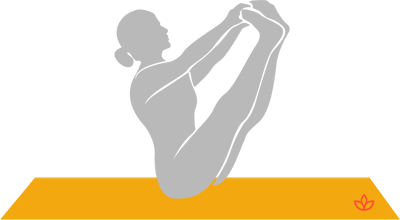
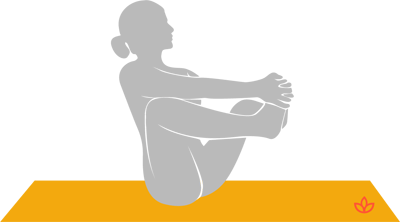
Double Big Toe Pose generator, known in Sanskrit as *Ubhaya Padangusthasana* (oo-bhai-yah PAH-DAHN-goosh-TAH-sah-nah), is a challenging yet rewarding seated balancing posture. The name itself offers insight: "Ubhaya" means "both," "Pada" means "foot," and "Angustha" means "big toe." Similar in spirit to Boat Pose (Paripurna Navasana), this asana takes the core challenge to the next level by requiring you to extend both legs fully while holding onto your big toes, creating an intense engagement of the abdominal muscles and a deep stretch through the hamstrings.
How to Practice Double Big Toe Pose (Ubhaya Padangusthasana)
To enter Ubhaya Padangusthasana, follow these step-by-step instructions. You might find it helpful to use a pose generator to visualize the posture as you practice.
- Begin seated on your mat with your knees bent and feet flat on the floor, heels close to your sitting bones. Ensure your spine is long and straight.
- On an inhale, begin to lift your feet off the floor, finding your balance on your sitz bones. Keep your chest open and shoulders relaxed.
- Reach forward and grasp your big toes with your first three fingers (thumb, index, and middle finger).
- As you exhale, slowly straighten both legs upwards, maintaining your grip on your toes. The goal is to extend the legs as much as possible without rounding your spine. Keep your gaze (drishti) towards your toes (Padayoragre).
- Actively engage your core muscles to help stabilize your balance. Continue to lift through the crown of your head, keeping your spine long and your collarbones broad.
- Breathe deeply and hold the pose for several breaths.
- To release, exhale slowly, bend your knees, and gently lower your feet back to the floor.
Here is an image of Ubhaya Padangusthasana:

Benefits of Double Big Toe Pose
Ubhaya Padangusthasana offers a wealth of physical and mental benefits:
- Strengthens the Core: This pose is a powerful abdominal strengthener, engaging the rectus abdominis, obliques, and deeper core muscles to maintain balance and hold the lifted legs.
- Stretches the Hamstrings and Spine: By extending the legs upward, the hamstrings receive an intense stretch. Simultaneously, the effort to keep the spine straight helps lengthen and decompress the spinal column.
- Opens the Chest and Shoulders: Maintaining an upright posture with the chest open helps to broaden the collarbones and gently stretch the shoulders.
- Improves Balance: Balancing on the sitz bones requires significant proprioception and strengthens the stabilizing muscles throughout the body.
- Enhances Mental Focus: The intensity and balance required by Double Big Toe Pose demand heightened concentration, leading to improved mental focus and a sense of calm.
Cautions and Contraindications
While Double Big Toe Pose is beneficial, it's important to approach it with awareness:
- If you experience any lower back pain or discomfort, keep your knees bent and focus on lengthening your spine rather than fully straightening your legs.
- Avoid this pose if you have a recent back or hip injury.
- Listen to your body. If you notice your spine rounding significantly, it's a sign to modify the pose by bending your knees more deeply or practicing a less intense variation like Half Boat Pose.
Pose Details
| Detail | Description |
|---|---|
| Sanskrit Name | Ubhaya Padangusthasana |
| Pronunciation | oo-bhai-yah PAH-DAHN-goosh-TAH-sah-nah |
| Pose Level | Beginner |
| Drishti | Padayoragre (Tip of the toes) |
| Pose Type | Balancing, Core, Seated, Strength |