Revolved Crescent Lunge (Parivrtta Anjaneyasana)
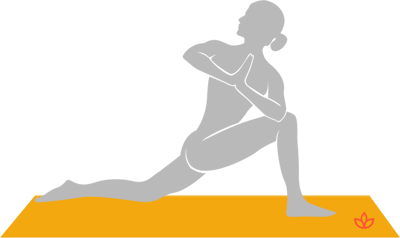
Revolved Crescent Lunge, known in Sanskrit as Parivrtta Anjaneyasana, is an invigorating intermediate-level twisting pose performed from a low lunge position. The name Parivrtta translates to "revolved" or "twisted," while Anjaneyasana refers to "Crescent Moon Pose," honoring Anjaneya, the mother of the Hindu deity Hanuman. This dynamic pose effectively combines the stability and lengthening of a lunge with the detoxifying benefits of a deep spinal twist, making it a powerful addition to any yoga practice.
How to Practice Revolved Crescent Lunge
Follow these steps to safely and effectively practice Revolved Crescent Lunge:
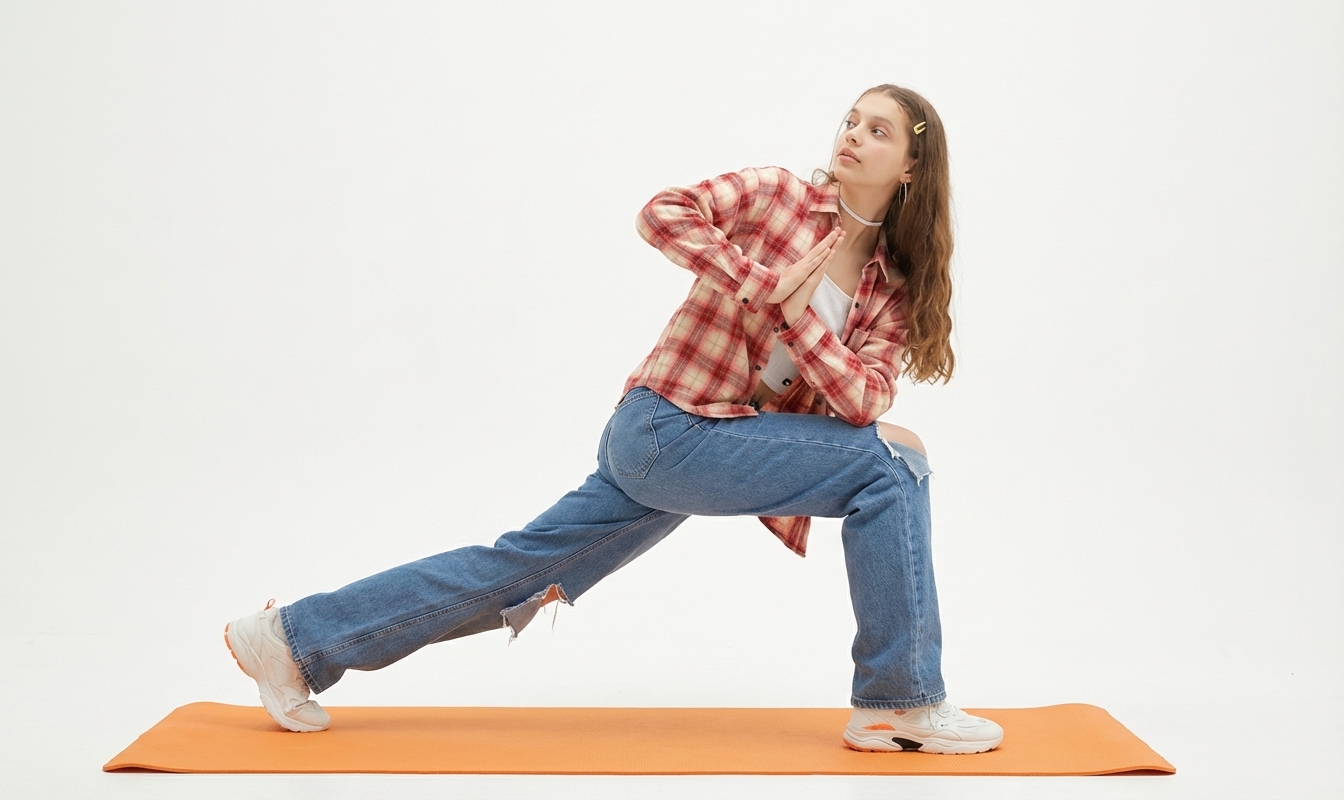
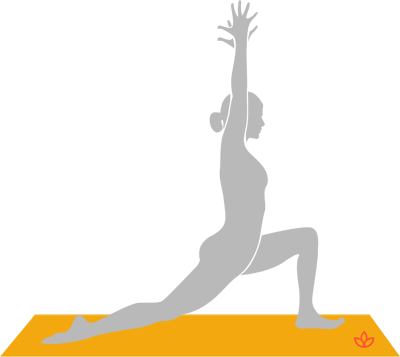
- Begin in a low lunge position with your left leg extended straight back, knee lifted, and the ball of your left foot on the mat. Your right knee should be stacked directly over your right ankle, forming a 90-degree angle.
- Bring your hands together in Anjali Mudra (prayer position) at your heart center.
- Inhale to lengthen your spine, drawing your navel towards your spine to engage your core.
- As you exhale, initiate a twist to your right, bringing your left elbow to the outside of your right knee. Press your palms together firmly to deepen the twist, using the leverage of your elbow against your thigh.
- Maintain a long spine, keeping your chest open and shoulders away from your ears.
- Gaze gently over your right shoulder, or towards your right thumb if comfortable for your neck.
- Hold the pose for several breaths, focusing on deepening the twist with each exhalation and lengthening the spine with each inhalation.
- To release, inhale and untwist, returning to a low lunge with hands at your heart. Exhale and release your hands to the mat.
- Repeat the sequence on the other side, stepping your right leg back and twisting to the left.
Benefits of Revolved Crescent Lunge
Revolved Crescent Lunge offers a wealth of physical and energetic benefits:
- Strengthens Core and Legs: This pose intensely engages and strengthens the quadriceps and gluteus muscles in both legs, while also building significant core strength to stabilize the twist.
- Stimulates Abdominal Organs: Like all twisting poses, Parivrtta Anjaneyasana compresses and then releases the abdominal organs, promoting detoxification and bringing a fresh blood supply to the digestive system.
- Opens Hips and Groin: The lunge foundation deeply stretches the hip flexors of the back leg and helps to open the hips, improving flexibility and range of motion.
- Improves Balance and Coordination: Holding this deep twist in a standing lunge requires significant balance and coordination, enhancing proprioception and stability. You can even consider it a form of a personalized pose generator for balance challenges.
- Reduces Stress and Anxiety: Twists are known to be calming poses, helping to wring out tension from the spine and nervous system, which can reduce feelings of stress.
- Increases Stamina: The sustained effort required to maintain the pose builds muscular endurance and overall stamina.
Cautions and Contraindications
While Revolved Crescent Lunge is a beneficial pose, it's important to practice with awareness:
- Individuals with knee injuries should approach this pose with caution. If there is any discomfort in the back knee, place a folded blanket or a towel underneath it for cushioning.
- Those with recent abdominal surgery or spinal injuries should avoid this pose or consult with a healthcare professional before attempting.
- If you experience dizziness or instability, come out of the pose slowly. You may modify by dropping the back knee to the floor for a supported twist, similar to Revolved Easy Pose.
- Pregnant individuals should avoid deep twisting poses that compress the abdomen.
Revolved Crescent Lunge Details
| Sanskrit Name: | Parivrtta Anjaneyasana |
| Pronunciation: | par-iv-RT-tah ahn-jah-nay-AH-sah-nah |
| Pose Level: | Intermediate |
| Drishti (Gaze Point): | Parshva (Side) - Over the shoulder or towards the thumb |
| Pose Type: | Balancing, Hip Opener, Standing Pose, Strength, Twist |