Plank Pose (Kumbhakasana)
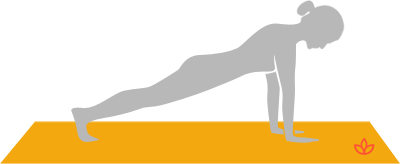
Plank Pose, known as Kumbhakasana in Sanskrit, is a foundational core-strengthening posture in yoga. Often utilized as a transitional pose, it builds heat and stability throughout the entire body. Resembling the top of a push-up, this pose requires you to hold your body in one straight line, supported by your hands and feet, engaging numerous muscle groups for a full-body activation.
Etymology of Kumbhakasana
The Sanskrit name Kumbhakasana (कूम्भकासन) is derived from two words: Kumbhaka (कुम्भक), meaning "breath retention" or "pot," and Asana (आसन), meaning "pose" or "posture." While the direct connection to breath retention might seem unusual for a strength-based pose, it can be interpreted as holding the body steady like a pot, or perhaps referring to the steady breath maintained during the hold, similar to the practice of Low Plank Pose.
If you're exploring various core-strengthening poses or looking for specific variations, a yoga generator or a pose generator can be an excellent tool to discover new challenges and deepen your practice.
How to Practice Plank Pose (Kumbhakasana)
Follow these steps to safely and effectively practice Plank Pose:
- Begin in Downward-Facing Dog Pose with your hands spread wide, fingers pointing forward, and wrists stacked directly under your shoulders.
- On an inhalation, shift your torso forward until your shoulders are directly over your wrists. Your body should form one long, diagonal line from the crown of your head to your heels.
- Actively engage your core muscles, drawing your navel towards your spine to prevent your hips from sagging or lifting too high.
- Press firmly through your palms and the balls of your feet. Keep your legs active and straight, as if pressing through your heels.
- Maintain a neutral neck by gazing softly at the floor a few inches in front of your hands.
- Breathe deeply and steadily as you hold the pose, cultivating strength and stillness.
- To release, gently lower your knees to the mat or transition into another pose like Upward-Facing Dog Pose if flowing through a Vinyasa sequence.
Benefits of Plank Pose
Kumbhakasana offers a multitude of benefits, making it a cornerstone of many yoga practices:
- Strengthens the Core: This pose is exceptional for building robust core strength, engaging the rectus abdominis, obliques, and transverse abdominis. A strong core supports the spine and improves overall stability.
- Strengthens Arms and Wrists: Holding your body weight on your hands significantly strengthens the muscles of the arms, shoulders, and wrists, preparing them for more advanced arm balances and inversions.
- Stimulates Digestion: The gentle abdominal compression and engagement in Plank Pose can help stimulate the digestive organs.
- Improves Posture: By strengthening the core and back muscles, Plank Pose helps to cultivate better postural alignment.
- Boosts Stamina and Endurance: Holding the pose for extended periods increases muscular endurance and mental fortitude.
Cautions and Contraindications
While Plank Pose is generally safe, certain conditions warrant caution or modification:
- Avoid this pose if you have carpal tunnel syndrome or any acute wrist injury. Modifications include performing the pose on your forearms (Dolphin Plank Pose) or with fists pressed into the floor instead of flat palms.
- Individuals with shoulder injuries should approach this pose with care, ensuring proper alignment to avoid strain.
- Pregnant individuals may need to modify by performing the pose on their knees or exploring upright variations as their pregnancy progresses.
Plank Pose Details
| Sanskrit Name: | Kumbhakasana |
| Pronunciation: | koom-bhah-KAH-sah-nah |
| Pose Level: | Beginner |
| Drishti (Gaze): | Nasagre (Tip of the nose) |
| Pose Type: | Core, Strength |