Dancing Shiva Pose (Parivrtta Hasta Padangusthasana)
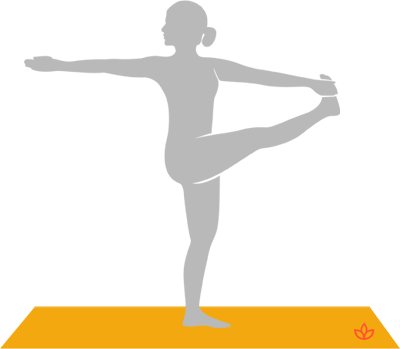
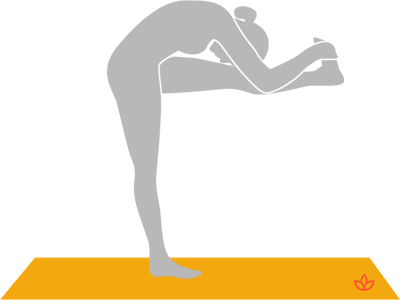
The Dancing Shiva Pose, known in Sanskrit as Parivrtta Hasta Padangusthasana (par-iv-rit-tah has-tah PAH-DAHN-goosh-TAH-sah-nah), is a profound and challenging posture that combines intense balance with a deep spinal twist. The name translates beautifully: "Parivrtta" means revolved, "Hasta" means hand, "Pada" means foot, and "Angusta" means big toe. This pose asks you to balance on one leg while extending the other leg, grasping it with the opposite hand, and twisting the torso toward the extended leg, evoking the dynamic energy of Shiva's cosmic dance. It's a powerful asana for building stability, confidence, flexibility, and strength.
Consider using a pose generator to find other advanced balancing or twisting poses that complement your practice alongside this one.
How to Practice Dancing Shiva Pose
Due to its complexity, it's recommended to approach Dancing Shiva Pose with a mindful awareness of your body and breath.
- Begin standing tall in Tadasana (Mountain Pose), grounding firmly through both feet.
- Inhale and draw your right knee toward your chest, feeling stable on your left standing leg.
- Reach down with your right hand and grasp the big toe of your right foot using your first two fingers and thumb (a yogic toe lock).
- Exhale as you begin to extend your right leg forward, aiming to bring it parallel to the floor. Keep a slight bend in the knee if your hamstrings feel tight.
- Bring your left hand to the outside of your right foot, ensuring a secure grip.
- On an exhale, slowly begin to twist your torso to the right, extending your right arm out directly to the right, parallel to the floor, as if mirroring the extended leg.
- Turn your head and gaze (drishti) softly over your right shoulder (Parshva Drishti).
- Maintain deep, steady breaths as you hold the pose, focusing on your balance and the elongation of your spine through the twist.
- To release, inhale as you carefully untwist your torso and lower your extended leg. Return to standing and repeat on the left side.
If you find holding the leg straight challenging, you can keep the knee bent, focusing on the balance and twist before aiming for full extension.
Benefits of Dancing Shiva Pose
Dancing Shiva Pose offers a multitude of physical and mental benefits:
- Strengthens Legs and Core: The act of balancing on one leg while extending and twisting profoundly engages the muscles of the standing leg, inner thighs, and deep core stabilizers.
- Stretches and Improves Spinal Flexibility: The deep rotational twist in the torso effectively stretches the spine, increasing its suppleness and range of motion.
- Opens Hips: Grasping and extending the leg contributes to opening the hip joint of the lifted leg.
- Tones Abdominal Organs and Improves Digestion: The twisting action gently compresses and massages the abdominal organs, which can stimulate blood flow and aid digestive processes.
- Energizes Body and Mind: As an invigorating pose, it helps to awaken the body and clear the mind, fostering a sense of vitality.
- Improves Balance: This pose is a superb practice for enhancing proprioception and overall physical balance.
- Calms the Mind and Improves Mental Focus: The intense concentration required to maintain balance and alignment in this pose helps to quiet mental chatter and sharpen focus, drawing you into the present moment.
Cautions and Contraindications
Practice with caution or avoid Dancing Shiva Pose if you have:
- Recent or chronic injuries to the ankles, knees, or hips.
- Serious spinal issues or back pain.
- Tight hamstrings; keep the lifted leg bent to alleviate excessive strain.
- Extreme difficulty with balance, in which case it is advisable to practice near a wall or with assistance.
Pose Details
| Sanskrit Name: | Parivrtta Hasta Padangusthasana |
| Pronunciation: | par-iv-rit-tah has-tah PAH-DAHN-goosh-TAH-sah-nah |
| Pose Level: | Advanced |
| Drishti: | Parshva (Side) |
| Pose Type: | Balancing, Core, Hip Openers, Standing Poses, Strength, Twists |
A yoga generator might suggest other challenging twists such as Revolved Triangle Pose or Marichi's Pose if you enjoy the twisting element of Dancing Shiva Pose.