Balancing Bound Angle Pose (Dandayamana Baddha Konasana)
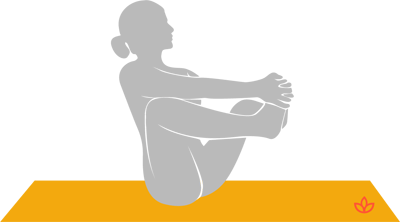
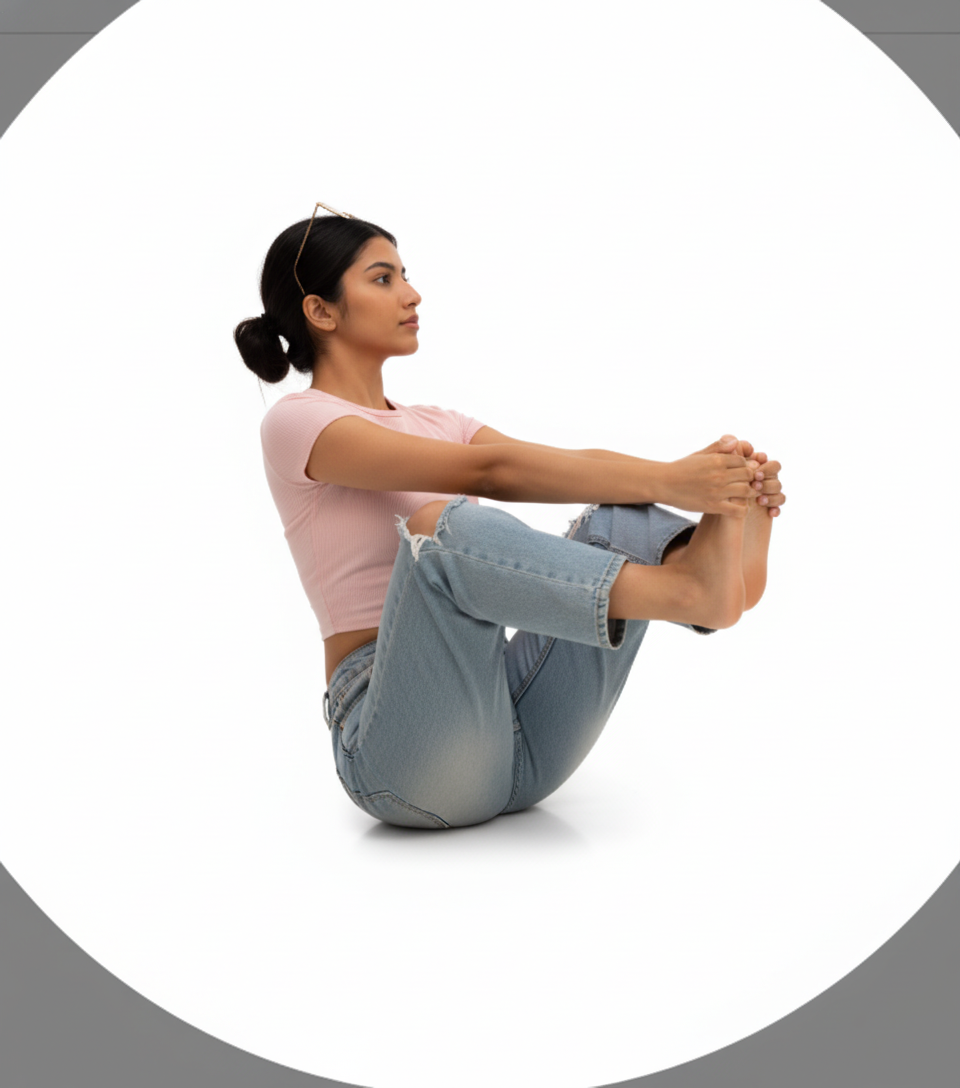
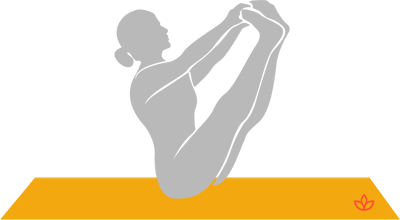
Balancing Bound Angle Pose, known in Sanskrit as Dandayamana Baddha Konasana (dahn-dah-YAHM-nah bahd-dhah ko-NAH-sah-nah), is an intermediate seated balancing posture that dynamically combines core strengthening with deep hip flexibility. The name translates beautifully: Dandayamana means "balancing," Baddha means "bound," Kona means "angle," and Asana means "pose." This pose challenges stability while gently opening the hips, making it a rewarding experience for practitioners looking to deepen their yoga practice.
How to Practice Balancing Bound Angle Pose
To safely and effectively practice Balancing Bound Angle Pose, follow these steps:
- Begin seated on your mat in Bound Angle Pose or Butterfly Pose. Bring the soles of your feet together, letting your knees fall open to the sides. Draw your heels in towards your groin as comfortably as possible.
- Interlace your fingers around the outsides of both feet, creating a firm grip. Your spine should be long, and your shoulders relaxed away from your ears.
- On an inhale, engage your core muscles and gently lift your feet off the floor, bringing your knees closer to your chest while keeping them bent. Shift your weight slightly back to balance on your sitz bones.
- Maintain a long, straight spine, resisting the urge to round your back. Attempt to lift your chest and gaze softly towards your toes (Padayoragre Drishti).
- Breathe deeply and evenly, finding stability in the pose. Feel the engagement in your core and the gentle opening in your hips.
- To release, exhale slowly as you lower your feet back to the mat and return to Bound Angle Pose.
If you're exploring variations or need a visual guide, a Balancing Bound Angle Pose generator can offer different perspectives and cues to enhance your understanding.
Benefits of Balancing Bound Angle Pose
Dandayamana Baddha Konasana offers a multitude of benefits, targeting several key areas of the body and mind:
- Improves Balance: By requiring precise control and engagement of core muscles, this pose significantly enhances both physical balance and mental focus.
- Opens Hips and Groin: Building upon the foundation of Bound Angle Pose, this variation provides a deeper stretch to the hip flexors and groin area, increasing flexibility and range of motion.
- Strengthens Core Muscles: The act of lifting and balancing the legs powerfully engages the rectus abdominis, obliques, and deep core stabilizers.
- Strengthens the Back Body: Maintaining an upright posture against the pull of the legs strengthens the erector spinae muscles along the spine.
- Increases Self-Confidence: Successfully holding this challenging balancing pose can foster a sense of accomplishment and contribute to increased self-confidence on and off the mat.
Cautions and Contraindications
While Balancing Bound Angle Pose is beneficial, it is important to practice with awareness. Avoid this pose if you have:
- Any recent or chronic knee injury.
- Severe hip pain or injury.
- Acute lower back pain.
Always listen to your body and adjust the pose as needed. If you are unsure, consult with a qualified yoga instructor or healthcare professional before attempting this posture.
Pose Details
| Sanskrit Name: | Dandayamana Baddha Konasana |
| Pronunciation: | dahn-dah-YAHM-nah bahd-dhah ko-NAH-sah-nah |
| Pose Level: | Intermediate |
| Drishti (Gaze): | Padayoragre (Tip of the toes) |
| Pose Type: | Balancing, Core, Hip Openers, Seated Poses, Strength |
Expanding your practice with poses from a yoga generator can introduce you to similar balancing and hip-opening poses to complement Dandayamana Baddha Konasana.
Balancing Bound Angle Pose (Dandayamana Baddha Konasana) What is Balancing Bound Angle Pose? Balancing Bound Angle Pose, known in Sanskrit as Dandayamana Baddha Konasana (dahn-dah-YAHM-nah bahd-dhah ko-NAH-sah-nah), is an intermediate seated balancing posture that dynamically combines core strengthening with deep hip flexibility. The name translates beautifully: Dandayamana means "balancing," Baddha means "bound," Kona means "angle," and Asana means "pose." This pose challenges stability while gently opening the hips, making it a rewarding experience for practitioners looking to deepen their yoga practice. How to Practice Balancing Bound Angle Pose To safely and effectively practice Balancing Bound Angle Pose, follow these steps: 1. Begin seated on your mat in Bound Angle Pose or Butterfly Pose. Bring the soles of your feet together, letting your knees fall open to the sides. Draw your heels in towards your groin as comfortably as possible. 2. Interlace your fingers around the outsides of both feet, creating a firm grip. Your spine should be long, and your shoulders relaxed away from your ears. 3. On an inhale, engage your core muscles and gently lift your feet off the floor, bringing your knees closer to your chest while keeping them bent. Shift your weight slightly back to balance on your sitz bones. 4. Maintain a long, straight spine, resisting the urge to round your back. Attempt to lift your chest and gaze softly towards your toes (Padayoragre Drishti). 5. Breathe deeply and evenly, finding stability in the pose. Feel the engagement in your core and the gentle opening in your hips. 6. To release, exhale slowly as you lower your feet back to the mat and return to Bound Angle Pose. If you're exploring variations or need a visual guide for this pose, a dedicated pose generator can offer different perspectives and cues to enhance your understanding. Benefits of Balancing Bound Angle Pose Dandayamana Baddha Konasana offers a multitude of benefits, targeting several key areas of the body and mind: * **Improves Balance:** By requiring precise control and engagement of core muscles, this pose significantly enhances both physical balance and mental focus. * **Opens Hips and Groin:** Building upon the foundation of Bound Angle Pose, this variation provides a deeper stretch to the hip flexors and groin area, increasing flexibility and range of motion. * **Strengthens Core Muscles:** The act of lifting and balancing the legs powerfully engages the rectus abdominis, obliques, and deep core stabilizers. * **Strengthens the Back Body:** Maintaining an upright posture against the pull of the legs strengthens the erector spinae muscles along the spine. * **Increases Self-Confidence:** Successfully holding this challenging balancing pose can foster a sense of accomplishment and contribute to increased self-confidence on and off the mat. Cautions and Contraindications While Balancing Bound Angle Pose is beneficial, it is important to practice with awareness. Avoid this pose if you have: * Any recent or chronic knee injury. * Severe hip pain or injury. * Acute lower back pain. Always listen to your body and adjust the pose as needed. If you are unsure, consult with a qualified yoga instructor or healthcare professional before attempting this posture. Pose Details | Detail | Description | | :------------- | :-------------------------------------------- | | **Sanskrit Name:** | Dandayamana Baddha Konasana | | **Pronunciation:** | dahn-dah-YAHM-nah bahd-dhah ko-NAH-sah-nah | | **Pose Level:** | Intermediate | | **Drishti (Gaze):** | Padayoragre (Tip of the toes) | | **Pose Type:** | Balancing, Core, Hip Openers, Seated Poses, Strength | Finding new poses to challenge your balance and strength can be facilitated by a yoga generator, helping you discover practices that complement Balancing Bound Angle Pose.