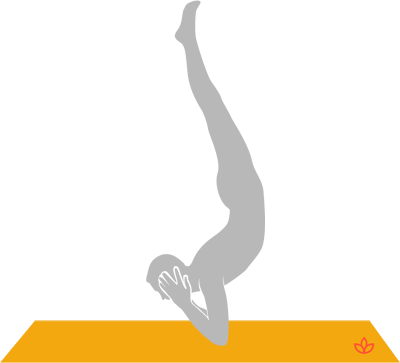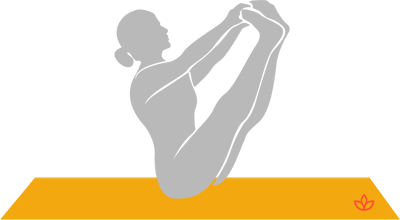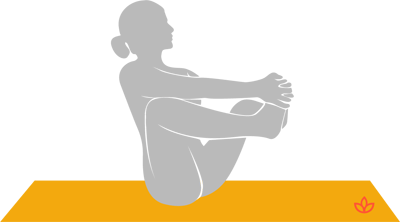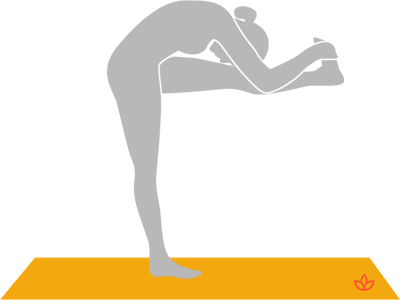
Dragonfly Pose (Parsva Bhuja Dandasana)
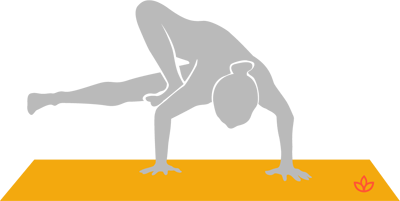
Dragonfly Pose, known in Sanskrit as Parsva Bhuja Dandasana (PAR-shvah bhoo-jah dahn-DAH-sah-nah), is a captivating and challenging arm balance that embodies both strength and grace. The name itself offers insight: "Parsva" means side, "Bhuja" means arm, and "Dandasana" refers to staff or stick pose. Thus, it translates to "Side Arm Staff Pose," aptly describing the elongated posture of the body supported by the arms. This advanced arm balance requires significant focus, core engagement, and open hips to execute beautifully, making it a rewarding pose for experienced practitioners.
If you're exploring complex poses for your practice, consider using a yoga generator or a Dragonfly Pose generator to visualize or plan your sequence. These tools can help you understand the pose's intricacies before attempting it.
How to Practice Dragonfly Pose
Dragonfly Pose is an intricate arm balance that demands careful alignment and core engagement. Follow these steps to enter the pose:
- Begin in a standing position, or from Mountain Pose (Tadasana).
- Shift your weight onto your left leg and cross your right ankle over your left thigh, as if preparing for a standing figure-four stretch.
- Start to bend at your hips and knees, bringing your torso forward.
- Twist your upper body to the left, directing your chest towards your left knee.
- Place your fingertips or palms firmly on the ground to the outside of your left foot, about shoulder-width apart. Ensure your hands are spread wide, pressing through all ten knuckles.
- Nestle the sole of your right foot against the outside of your upper right arm, ideally allowing your right tricep to support the arch of your foot.
- Begin to shift your body weight forward, bending your elbows as if moving into a Chaturanga Dandasana (Four-Limbed Staff Pose) arm position.
- As you lean forward, maintaining the twist, gently lift your left toes off the floor, balancing your body weight on your hands.
- Once balanced, engage your core deeply and, on an exhale, slowly extend your left leg out to the left side, parallel to the floor.
- Hold the pose for a few breaths, maintaining your gaze (drishti) and steady breathing.
- To release, gently bring the left foot back down, untwist your torso, and return to a standing position.
- Repeat the process on the other side.
Benefits of Dragonfly Pose
Beyond its aesthetic appeal, Dragonfly Pose offers a multitude of physical and mental benefits:
- Enhances Balance and Focus: This pose demands acute concentration and refined balance, strengthening neural pathways and improving proprioception.
- Strengthens Upper Body and Core: It powerfully engages the shoulders, arms, wrists, and deep abdominal muscles, building considerable upper body and core strength.
- Deep Hip Opening: The twisted leg position provides an intense and effective stretch for the outer hips, improving flexibility and range of motion in the hip joint.
- Tones Abdominal Muscles: The deep twisting and balancing action significantly tones the oblique and transverse abdominal muscles.
- Boosts Confidence: Successfully mastering an advanced arm balance like Dragonfly Pose can be incredibly empowering and build self-confidence.
Cautions and Contraindications
Dragonfly Pose is an advanced posture and should be approached with caution. Avoid this pose if you have:
- Acute or chronic wrist injuries
- Shoulder injuries or instability
- Recent abdominal surgery
- Lower back pain or injuries, especially those exacerbated by twisting
- Pregnancy
Always listen to your body and work within your comfortable range. Practicing preparatory poses like Side Crow Pose (Parsva Bakasana) or Eight-Angle Pose (Astavakrasana) can help build the necessary strength and flexibility.
Dragonfly Pose Details
| Detail | Description |
|---|---|
| Sanskrit Name | Parsva Bhuja Dandasana |
| Pronunciation | PAR-shvah bhoo-jah dahn-DAH-sah-nah |
| Pose Level | Advanced |
| Drishti (Gaze) | Bhrumadhye (Third Eye) |
| Pose Type | Arm Balance, Balancing, Core, Hip Opener, Strength, Twist |