Mountain Pose (Tadasana)
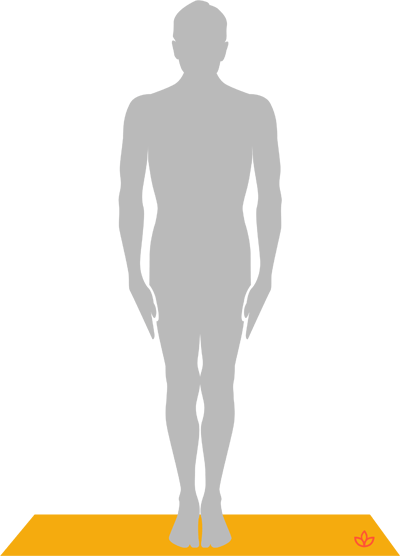
Mountain Pose, or Tadasana, is yoga's foundational standing posture. Often considered a resting pose, it is anything but passive. Instead, Tadasana encourages active engagement throughout the entire body, setting the stage for proper alignment and mind-body connection in more complex asanas. Many yoga sequences, particularly those that emphasize standing postures, begin and end with this fundamental pose. Just as a strong mountain provides an immovable base, Tadasana builds the groundwork for stability and balance.
If you're using a yoga generator or a pose generator to explore various standing postures, you'll find Mountain Pose as the essential starting point for many variations.
Sanskrit Etymology
In Sanskrit, "Tada" (ताड) means "mountain" and "Asana" (आसन) means "posture" or "seat." Thus, Tadasana translates directly to Mountain Pose.
How to Practice Mountain Pose
Practicing Tadasana correctly involves mindful attention to your body's alignment from the ground up.
- Start by standing with your feet together, or hip-width apart if that feels more stable for you.
- Ground down evenly through all four corners of your feet, pressing your big toes down and lifting through your inner arches.
- Engage your thigh muscles, gently lifting your kneecaps.
- Draw your tailbone slightly towards the floor, lengthening your spine with an inhale. Imagine a string pulling the crown of your head towards the sky.
- Roll your shoulders back and down, letting your arms rest actively by your sides with palms facing forward.
- Keep your gaze (drishti) soft and focused, perhaps at the tip of your nose (Nasagre).
- Breathe deeply and evenly, observing the natural rise and fall of your chest and abdomen.
Benefits of Mountain Pose
Tadasana, despite its apparent simplicity, offers a wealth of physical and mental benefits:
- **Develops Balance and Symmetry:** By actively engaging both sides of the body, Mountain Pose helps create balance between the left and right hemispheres, promoting physical symmetry and stability. This improved balance is a foundation for poses like Tree Pose.
- **Promotes Good Posture:** Consistent practice strengthens the core muscles, elongates the spine, and brings awareness to habitual postural imbalances, leading to improved overall posture.
- **Increases Body and Mind Awareness:** Tadasana cultivates proprioception (the body's awareness of its position in space) and interoception (awareness of internal bodily sensations), fostering a deeper connection between mind and body.
- **Strengthens Legs, Ankles, and Core:** Actively pressing through the feet and engaging the leg and abdominal muscles builds strength in these crucial areas.
- **Firms Buttocks and Abdomen:** The subtle engagement required throughout the pose helps tone the muscles of the glutes and core.
Cautions and Contraindications
While generally safe for most practitioners, use caution with Mountain Pose if you have significantly low blood pressure, as prolonged standing can some times exacerbate symptoms. If you experience dizziness or lightheadedness, come out of the pose slowly and sit down. Individuals with headaches or insomnia should also approach this pose with mindfulness, focusing on a steady and calming breath.
Mountain Pose Details
| Sanskrit Name: | Tadasana |
| Pronunciation: | TAHD-AH-sah-nah |
| Pose Level: | Beginner |
| Drishti (Gaze): | Nasagre (Tip of the nose) |
| Pose Type: | Balancing, Standing Poses |