Standing Forward Bend (Uttanasana)
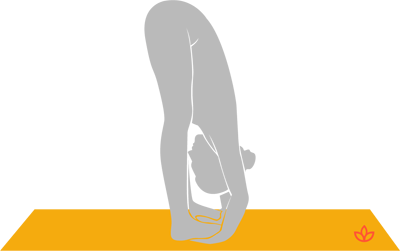
What is Standing Forward Bend?
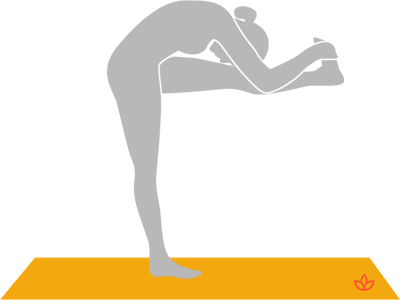
The Standing Forward Bend, known in Sanskrit as Uttanasana (OOH-tah-NAH-sah-nah), is a fundamental yoga pose that offers an intense, yet invigorating, stretch to the entire back of the body. The name Uttanasana comes from "ut," meaning "intense," "tan," meaning "to stretch or extend," and "asana," meaning "posture" or "seat." It is a foundational pose often included in warm-up sequences and sun salutations, preparing the body for deeper stretches and inversions. This pose is a beautiful example of how a simple pose generator can help you visualize and understand core postures.
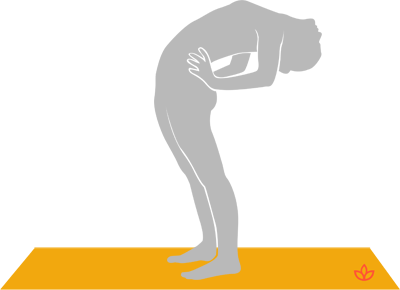
Uttanasana involves standing with your feet hip-distance apart and folding forward from the hips, allowing the upper body to hang heavy. It provides a profound lengthening for the hamstrings and calves while gently decompressing the spine.
How to Practice Standing Forward Bend (Uttanasana)
Follow these instructions to safely and effectively practice Uttanasana:
- Begin in Mountain Pose (Tadasana), standing tall with your feet hip-distance apart and your hands resting on your hips.
- As you exhale deeply, hinge forward from your hips, maintaining a slight bend in your knees. This engagement protects the hamstrings and helps maintain a long spine.
- Continue to fold, allowing your torso to draw closer to your thighs. Reach your hands towards the floor, placing your palms or fingertips beside your feet. If this is not accessible, you can bend your arms more deeply and grasp each elbow with the opposite hand, creating a "ragdoll" variation.
- Once in the pose, inhale to gently lift and lengthen your upper body, finding a small extension in your spine.
- Exhale to soften and release deeper into the forward bend, allowing gravity to assist the stretch.
- Hold the pose for approximately a minute, breathing deeply and allowing your body to relax into the stretch.
- To come out of the pose, bring your hands back to your hips, engage your core, and gently inhale as you lift your upper body all the way back up to a standing position.
Benefits of Standing Forward Bend
Uttanasana offers a wealth of physical and mental benefits:
- Lengthens the Hamstrings and Calves: This pose provides an intense and thorough stretch to the muscles along the back of your legs, improving flexibility and range of motion.
- Strengthens the Thighs: While it is a forward bend, the slight engagement required to protect the knees and maintain stability helps strengthen the quadriceps.
- Reduces Fatigue: By calming the nervous system and improving circulation to the head, Uttanasana can alleviate feelings of tiredness and mild depression.
- Calms the Brain: The inverted aspect of the pose helps quiet the mind, promoting relaxation and stress reduction.
- Stretches the Spine: Hanging forward allows for a gentle traction of the spine, which can help decompress the vertebrae.
Cautions and Contraindications
While Uttanasana is generally safe for most practitioners, keep the following in mind:
- Always keep your knees slightly bent, especially if you have tight hamstrings or lower back issues. Straightening the legs completely can place undue stress on the hamstrings and lumbar spine.
- Ensure your hips remain aligned over your ankles as you fold forward. Avoid allowing them to shift too far back.
- Actively try to avoid rounding your spine, especially in the initial phase of the bend. Focus on hinging from the hips to maintain a long, neutral spine.
- Individuals with severe back injuries, glaucoma, or high blood pressure should approach this pose with caution or consult a healthcare professional before practicing.
Pose Details
| Sanskrit Name: | Uttanasana |
| Pronunciation: | OOH-tah-NAH-sah-nah |
| Meaning: | Intense Stretch Pose |
| Pose Level: | Beginner |
| Drishti (Gaze Point): | Padayoragre (Tip of the toes) |
| Pose Type: | Forward Bend, Standing Pose |