Teardrop Bow Pose (Padangustha Dhanurasana)
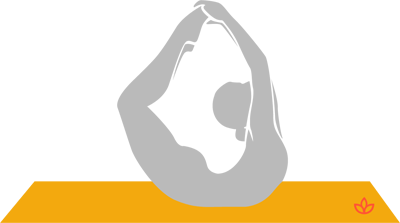
Known in Sanskrit as Padangustha Dhanurasana, Teardrop Bow Pose translates to "Big Toe Bow Pose," signifying its deep backbend and the grip on the big toes. This advanced posture is an intensified variation of Bow Pose (Dhanurasana), offering profound spinal flexibility, opening the chest, and stimulating both body and mind. It's truly a test of strength, flexibility, and focus, making it a rewarding pose for experienced practitioners.
How to Practice Teardrop Bow Pose
Teardrop Bow Pose requires a mindful approach and a good warm-up, especially for the spine, shoulders, and hamstrings. Building up with poses like Cobra Pose or Locust Pose can be beneficial as part of a yoga generator sequence.
Here’s a step-by-step guide to entering Teardrop Bow Pose:
- Begin by lying on your belly, similar to preparing for Snake Pose, with your body weight supported on your forearms.
- Bend your right knee, bringing your right foot towards your buttocks.
- On an inhale, reach back with your right hand and grasp the outside of your right foot. Rotate your shoulder in its socket so that your elbow points upwards, externally rotating the shoulder.
- Repeat the same action on the left side, bending the left leg and gripping the outside of the left foot with your left hand, rotating the shoulder to point the elbow upwards.
- With your next inhale, actively straighten your arms and legs. Simultaneously lift your chest and thighs off the floor, drawing your feet higher towards the sky. This action creates the deep arch of the bow.
- Engage your glutes and hamstrings to help lift the legs. Maintain a steady gaze (drishti) towards the tip of your nose.
- Breathe deeply and evenly while holding the pose, expanding into the arch.
- To release, exhale slowly and gently release one foot at a time, returning to a prone position.
Benefits of Teardrop Bow Pose
Practicing Padangustha Dhanurasana offers numerous physical and mental benefits:
- Strengthens and Flexes the Spine: This pose deeply stretches and strengthens the entire back and spinal column, significantly improving flexibility. It's an excellent contributor to a well-rounded backbend sequence within any yoga pose generator.
- Improves Organ Function: The compression of the abdominal organs stimulates circulation and can aid in digestion and metabolism.
- Stretches the Front Body: It provides an intense stretch for the entire front of the body, including the chest, abdomen, quadriceps, and hip flexors, along with stretching the shoulders and arms.
- Awakens and Stimulates the Mind: The challenging nature of this pose requires intense focus, which can invigorate and sharpen the mind.
- Alleviates Mild Depression: Backbends are known to lift mood and energy, making this pose potentially helpful in easing symptoms of mild depression.
Cautions and Contraindications
Due to its advanced nature and the deep backbend involved, Teardrop Bow Pose should be approached with caution. Avoid this pose if you have:
- Any recent or chronic neck, back, or knee injuries.
- High or low blood pressure.
- Heart conditions.
- Hernia.
- Headache or migraine.
Always listen to your body and consult with a qualified yoga instructor if you have any concerns or pre-existing conditions.
Teardrop Bow Pose Details
| Sanskrit Name: | Padangustha Dhanurasana |
| Pronunciation: | PAH-DAHN-goosh-tha dhon-oor-AH-sah-nah |
| Pose Level: | Advanced |
| Drishti (Gaze): | Nasagre (Tip of the nose) |
| Pose Type: | Backbend, Chest Opener, Hip Opener |