Vrikshasana (Tree Pose)
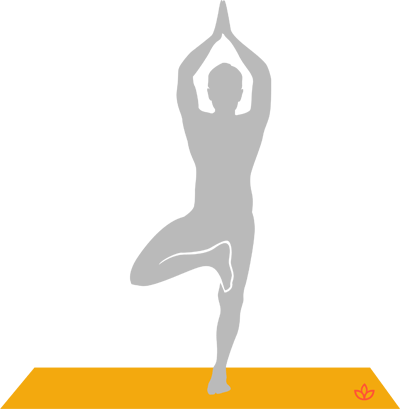
Vrikshasana, commonly known as Tree Pose, is a foundational standing balance posture in yoga. It embodies steadiness, focus, and a grounding connection to the earth while simultaneously reaching upwards, much like a tree.
The Sanskrit term Vrikshasana (वृक्षासन) is derived from two words: Vriksha (वृक्ष), meaning "tree," and Asana (आसन), meaning "posture" or "seat." This pose beautifully mimics the stable yet dynamic nature of a tree, with roots firmly planted and branches gracefully extending towards the sky.
How to Practice Tree Pose
Follow these steps to cultivate the strength and serenity of Vrikshasana:
- Begin by standing tall in Mountain Pose (Tadasana), with your feet together and arms at your sides. Feel rooted through all four corners of your feet.
- Shift your weight onto your left foot, establishing a firm foundation.
- Inhale and gently lift your right foot. Using your hand, place the sole of your right foot onto your left inner thigh, calf, or inner ankle. Avoid resting your foot directly on the knee joint to protect it.
- Once your foot is placed, press your right knee outwards, opening the hip. Actively press your standing foot firmly into the mat and the lifted foot firmly into your standing leg.
- Find your balance. You can keep your hands at your heart center in Anjali Mudra (prayer position) or, once stable, inhale and extend both arms overhead, bringing your palms together in a steeple grasp or keeping them shoulder-width apart.
- Fix your gaze softly on a non-moving point in front of you (your Drishti), which for this pose is typically Nasagre (the tip of the nose) to enhance concentration.
- Hold the pose for several breaths, maintaining a steady, even breath.
- Exhale as you release your arms and then your right leg back to the starting position.
- Repeat on the other side, balancing on your right foot with your left foot lifted.
Practicing Tree Pose regularly can feel like a personal yoga generator for calm and stability. If you're looking for variations, a quick Tree Pose generator search online can offer creative modifications for different levels.
Benefits of Tree Pose
Vrikshasana offers a wealth of physical and mental benefits:
- Strengthens Legs and Ankles: The standing leg works actively to support your weight, toning the muscles of the thigh, calf, and ankle.
- Lengthens the Spine: Actively reaching through the crown of your head and fingertips helps to decompress and lengthen the spinal column, improving posture.
- Improves Balance and Stability: As a balancing posture, it directly enhances proprioception and strengthens the stabilizing muscles throughout the body.
- Develops Concentration and Focus: Maintaining a steady gaze (Drishti) and calm breath in a challenging balance pose sharpens mental clarity and focus, similar to the demands of Dancer's Pose.
- Opens the Hips: The external rotation of the lifted leg gently opens the hip joint.
- Calms the Nervous System: The focused effort and steady breathing required for balance can help to soothe the mind and reduce stress.
Cautions and Contraindications
While generally safe, keep the following in mind:
- Knee Protection: Never place the sole of your lifted foot directly against the side of your standing knee. This can put undue pressure on the knee joint. Instead, position it above or below the knee.
- Ankle or Knee Injuries: Individuals with recent ankle or knee injuries should approach this pose with caution or avoid it. Use wall support if needed.
- Dizziness: If you experience dizziness or have conditions that affect balance, practice near a wall or chair for support.
- Hip Issues: If you have hip discomfort, do not force the external rotation of the lifted leg. Only go as far as comfortable. For a deeper hip opener that is seated, you might explore Butterfly Pose.
Pose Details
| Sanskrit Name: | Vrikshasana |
| Pronunciation: | vrik-SHAH-sah-nah |
| English Name: | Tree Pose |
| Pose Level: | Beginner |
| Drishti (Gaze Point): | Nasagre (Tip of the nose) |
| Pose Type: | Balancing, Standing Pose |