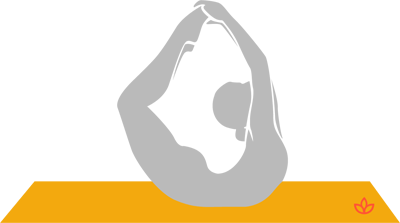
Dancer's Pose (Natarajasana)
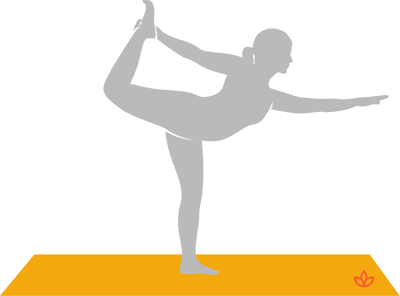
Dancer's Pose, known in Sanskrit as Natarajasana (nah-tar-AH-JAH-sah-nah), is a beautiful and challenging standing balance posture that embodies grace and strength. "Nata" translates to "dancer" or "actor," and "raja" means "king," while "asana" means "posture." Therefore, Natarajasana is often referred to as Lord of the Dance Pose, honoring Shiva, the cosmic dancer. This pose is a staple in many vinyasa yoga classes, challenging practitioners to find equilibrium while simultaneously stretching and strengthening the body. It’s an excellent pose to cultivate focus and poise.
If you're looking for an inspiring pose to add to your practice or discover new sequences, a yoga generator or pose generator can sometimes suggest creative variations. Or, use a Dancer's Pose generator to explore different entry points and modifications for this elegant asana.
How to Practice Dancer's Pose
Follow these steps to safely enter and hold Natarajasana:
- Begin in a standing position, ideally Mountain Pose (Tadasana), rooting down through your feet.
- As you exhale, shift your weight onto your left foot, and gently lift your right foot towards your buttocks.
- Reach back with your right hand and grasp the outside of your right ankle or foot. Ensure your knee points straight down initially.
- Inhale as you extend your left arm forward, parallel to the floor, or slightly angled upwards, finding a steady point of focus (Drishti).
- On an exhale, begin to kick your right leg up and back, simultaneously pressing your foot into your hand. This action will help lift your chest and deepen the backbend.
- Continue to stretch your right leg upwards, lifting your toes as high as is comfortable without compromising your balance. Keep your standing leg strong and engaged.
- Maintain your balance and breathe deeply while holding the pose.
- To release, gently lower your right leg and arm with an exhale, returning to a standing position before repeating on the other side.
Benefits of Dancer's Pose
Natarajasana offers a myriad of physical and mental benefits:
- Opens the Chest and Lungs: The expansive nature of the pose creates space across the front of the torso, facilitating deeper breathing and improving lung capacity.
- Improves Balance and Focus: As a standing balancing pose, it significantly enhances equilibrium and requires intense concentration, sharpening mental acuity.
- Strengthens Legs and Ankles: The standing leg builds considerable strength, while the extended leg engages the hamstrings and glutes. The ankle of the standing foot also gains stability.
- Opens Hips and Shoulders: The backward kick of the raised leg provides a deep stretch for the hip flexors, and the arm position opens the shoulders.
- Enhances Core Strength: Engaging the abdominal muscles is crucial for maintaining stability and protecting the lower back.
Cautions and Contraindications
While a rewarding pose, Dancer's Pose should be approached with care:
- Avoid this pose if you have recent or chronic ankle injuries, as significant pressure is placed on the standing ankle.
- Individuals with low back injuries or conditions should proceed with extreme caution or avoid the pose, as it involves a backbend that could exacerbate discomfort.
- Those with knee issues should be mindful when grasping the foot and kicking back, ensuring no strain is placed on the knee joint.
- If you experience headaches, migraines, or high blood pressure, consult with a healthcare professional before practicing inverted or balancing poses.
Dancer's Pose Details
| Sanskrit Name: | Natarajasana |
| Pronunciation: | nah-tar-AH-JAH-sah-nah |
| Pose Level: | Intermediate |
| Drishti (Gaze Point): | Nasagre (Tip of the nose) |
| Pose Type: | Backbends, Balancing, Chest Openers, Hip Openers, Standing Poses |
Consider practicing preparatory poses like Extended Triangle Pose or Warrior II to build strength and flexibility before attempting Natarajasana.