Downward-Facing Dog Pose (Adho Mukha Svanasana)
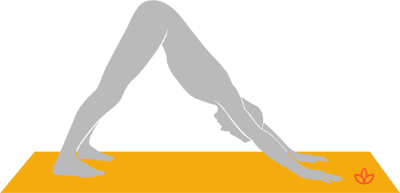
Downward-Facing Dog, or Adho Mukha Svanasana, is one of the most recognized and fundamental poses in yoga. Its name comes from the Sanskrit: "Adho" meaning "downward," "Mukha" meaning "face," and "Svana" meaning "dog," thus literally translating to "Downward-Facing Dog Pose." It is a foundational standing forward bend and mild inversion that requires both flexibility and upper body strength, making it a staple in many yoga sequences.
In this classic asana, your body forms an inverted "V" shape, with your hands and feet pressing firmly into the ground and your hips lifting towards the sky. It's often used as a transitional pose, a resting pose, or as part of a sun salutation sequence, helping to lengthen and strengthen the entire body. Many practitioners use a pose generator to explore variations of this pose and integrate them into their practice.
How to Practice Downward-Facing Dog Pose
Follow these instructions to safely and effectively practice Adho Mukha Svanasana:
- Begin on your hands and knees in a tabletop position, ensuring your wrists are directly under your shoulders and your knees are directly under your hips.
- Spread your fingers wide, actively pressing down through all ten knuckles and distributing your weight evenly across your entire palm.
- On an exhale, tuck your toes and lift your hips upward towards the ceiling, straightening your legs as much as comfortable.
- Imagine your tailbone reaching for the sky. Allow your heels to release towards the mat, though they do not need to touch.
- Keep a slight bend in your knees if your hamstrings feel tight, focusing on lengthening your spine.
- Press firmly through your hands, drawing your shoulders away from your ears and rotating your triceps back.
- Let your head hang naturally, gazing gently towards your navel or between your arms.
- Breathe deeply and rhythmically as you hold the pose, allowing your breath to energize and relax your body.
If you're looking for different ways to integrate this pose into your routine, consider using a yoga generator for creative flows.
Benefits of Downward-Facing Dog Pose
Adho Mukha Svanasana offers a multitude of physical and energetic benefits:
- — Stretches the hamstrings, calves, hands, and feet, promoting flexibility in the posterior chain.
- — Strengthens the arms, shoulders, and thighs, building foundational upper and lower body strength.
- — Energizes the body, helping to alleviate fatigue.
- — Lengthens and decompresses the spine, which can relieve back pain.
- — Increases blood circulation to the head, which can calm the nervous system and relieve mild depression.
- — Calms the brain and helps relieve stress and mild depression.
- — Improves digestion.
Cautions and Modifications
While Downward-Facing Dog is a beneficial pose, it's essential to practice with awareness, especially if you have certain conditions:
- Keep your feet hip-distance apart. Avoid overestimating the width of your hips; aim for about two fists' width between your feet.
- Avoid this pose if you are in late-term pregnancy.
- If you experience Carpal Tunnel Syndrome, modify the pose by resting your weight on your forearms instead of your hands, as in Dolphin Pose.
- Individuals with high blood pressure or headache should keep their head supported.
- Those with diarrhea should avoid this pose.
Downward-Facing Dog Pose Details
| Sanskrit Name: | Adho Mukha Svanasana |
| Pronunciation: | ahd-ho mook-hah svahn-nah-sah-nah |
| Pose Level: | Beginner |
| Drishti (Gazing Point): | Nabhichakra (Navel) |
| Pose Type: | Chest Opener, Forward Bend, Inversion |