Eka Pada Rajakapotasana A (One-Legged King Pigeon Pose A)
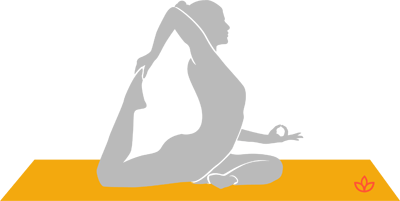
Eka Pada Rajakapotasana A, commonly known as One-Legged King Pigeon Pose A, is a profound and invigorating backbend that offers significant hip opening and chest expansion. In Sanskrit, "Eka" means one, "Pada" means foot or leg, "Raja" means king, "Kapota" means pigeon, and "Asana" means pose. Thus, it translates to "One-Legged King Pigeon Pose." This advanced posture challenges flexibility and stability, leading to a deeper connection with the body and breath.
For those looking to explore this pose and other similar hip openers, a comprehensive pose generator can provide a tailored sequence to prepare your body effectively.
How to Practice One-Legged King Pigeon Pose A
Eka Pada Rajakapotasana A is typically entered from Pigeon Pose. Follow these instructions to move into the pose:
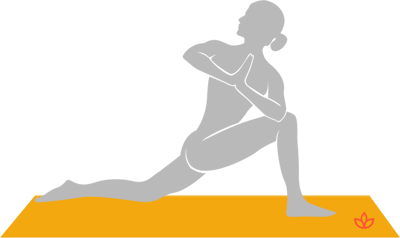
- Begin in Pigeon Pose with your right leg extended straight back, and your left shin angled forward, ideally parallel to the front edge of your mat. Ensure your hips are as square as possible.
- Exhale and gently bend your right knee, drawing your right foot in toward your buttocks.
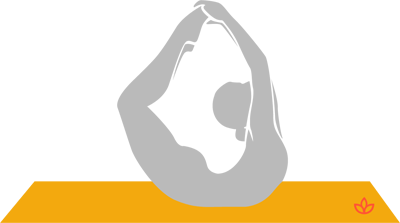
- Inhale and reach your right arm (the same side as the bent leg) up and back, aiming to grasp your right toes.
- If comfortable and you have the flexibility, reach your left arm up and back as well, clasping your right foot with both hands. This creates a deeper backbend and chest opener.
- Maintain a steady gaze (drishti) at the tip of your nose (Nasagre) and breathe deeply while holding the pose.
- To release, gently release your hands from your foot, slowly extend your right leg back, and return to a more neutral position before switching sides.
Benefits of One-Legged King Pigeon Pose A
Practicing Eka Pada Rajakapotasana A offers numerous physical benefits:
- Opens the Chest and Lungs: The deep backbend nature of this pose significantly stretches the intercostal muscles and expands the chest cavity, promoting deeper breathing and improved respiratory function.
- Deeply Stretches the Hips: This pose is a powerful hip opener, targeting the external rotators of the front leg and the hip flexors of the back leg. This can alleviate tightness and improve overall hip mobility.
- Stretches the Abdominal Organs: The backbend gently compresses and stretches the abdominal organs, which can aid in digestion and stimulate healthy organ function.
- Enhances Spinal Flexibility: Regular practice helps to increase the flexibility and strength of the entire spine.
Cautions and Contraindications
As an advanced posture, One-Legged King Pigeon Pose A requires careful attention to the body's signals:
- Beginners should approach this pose gradually, building flexibility and strength over time. It is advisable to work on preparatory poses like Half Splits Pose and Lizard Pose before attempting this deep backbend.
- Avoid this pose if you have any existing low back or hip injuries. Consult with a healthcare professional or an experienced yoga instructor if you have concerns.
- Listen to your body and avoid forcing the pose. Pain is a signal to ease off.
Pose Details
| Detail | Description |
|---|---|
| Sanskrit Name: | Eka Pada Rajakapotasana A |
| Pronunciation: | ek-ah PAH-dah RAJ-ah-kap-oh-TAH-sah-nah A |
| Pose Level: | Advanced |
| Drishti: | Nasagre (Tip of the nose) |
| Pose Type: | Backbends, Binds, Chest Openers, Hip Openers |