What is Double Pigeon Pose (Agnistambhasana)?
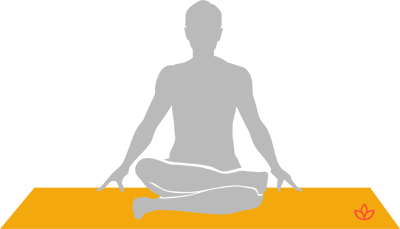
Double Pigeon Pose, known in Sanskrit as Agnistambhasana (अग्निस्तम्भासन), translates to "Fire Log Pose." The name beautifully describes the shape of the legs in the pose, resembling a neatly stacked pile of wood ready for a fire. This deeply meditative seated posture is a powerful hip opener, targeting the outer hips, glutes, and groin, promoting flexibility and releasing tension in these often-tight areas.
Practiced while seated, the pose involves stacking one ankle directly on top of the opposite knee, with the other shin resting beneath, creating a triangular shape with the legs. This alignment provides an intense stretch, making it a valuable addition to routines focusing on improving hip mobility.
How to Practice Double Pigeon Pose (Agnistambhasana)
Approaching Agnistambhasana requires patience and a mindful connection to your body. Here’s a step-by-step guide to help you enter the pose safely and effectively:
Instructions:
- Begin by sitting in a comfortable cross-legged position (Easy Pose or Sukhasana). Ensure your sitting bones are grounded evenly.
- Gently exhale as you place your right ankle on top of your left knee. Your right shin should be as parallel to the front edge of your mat as possible.
- Inhale and, if comfortable, slide your left foot forward so that your left shin is underneath your right shin, and your left ankle is directly under your right knee. The goal is to stack the shins, creating two "logs" of fire.
- Flex both feet to protect your knees and keep your ankles active.
- Keep your spine long and your chest open. You may place your hands on the floor beside your hips, on your knees, or gently forward fold over your legs for a deeper stretch.
- Breathe deeply and hold the pose for several breaths, allowing your hips to gradually open.
- To release, gently uncross your legs and shake them out. Repeat on the other side, placing your left ankle on your right knee.
Utilize a yoga generator for alternative poses if this particular hip opener feels too intense initially.
Benefits of Double Pigeon Pose
Beyond the physical challenge, Agnistambhasana offers a wealth of benefits rooted in the release of tension in the hip girdle:
- Deep Hip Opening: This pose is renowned for its ability to significantly increase external rotation and flexibility in the hip joints, particularly targeting the piriformis and glutes.
- Stretches Groins and Legs: It provides an intense stretch to the adductor muscles of the inner thighs and the muscular structures surrounding the hips.
- Reduces Tension and Anxiety: The hips are often considered a repository for emotional tension. Releasing tightness in this area can lead to a sense of emotional release and mental calm.
- Improves Posture: By increasing hip flexibility, it can contribute to better pelvic alignment and overall spinal posture.
- Stimulates Abdominal Organs: The compression in the lower abdomen can gently stimulate the digestive and reproductive organs.
Cautions and Contraindications
While beneficial, Double Pigeon Pose is an intense opener and may not be suitable for everyone. Listen to your body and honor its limitations.
- Avoid this pose if you experience any sharp pain in your knees or hips.
- Individuals with knee injuries, sciatica, or sacrum issues should approach this pose with extreme caution or avoid it entirely.
- If there isn't sufficient hip flexibility yet, opt for preparatory poses like Eye of the Needle Pose or actively crossed-legged Easy Pose with props.
- Never force your knees down; allow gravity and breath to gently guide the opening.
Double Pigeon Pose Details
| Sanskrit Name: | Agnistambhasana |
| Pronunciation: | ugg-nee-stahm-BAH-sah-nah |
| Pose Level: | Intermediate |
| Drishti (Gazing Point): | Nasagre (Tip of the nose) |
| Pose Type: | Hip Openers, Seated Poses |