Flying Pigeon Pose (Eka Pada Galavasana)
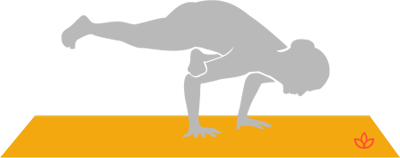
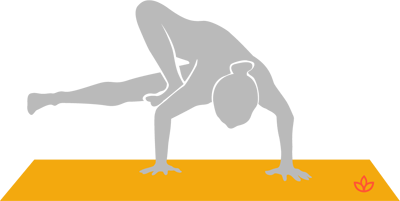
Flying Pigeon Pose, or Eka Pada Galavasana (pronounced: ek-ah PAH-dah GAH-la-VAH-sah-nah), is a dynamic and advanced arm-balancing posture that combines strength, flexibility, and profound focus. In Sanskrit, "Eka" means one, "Pada" means foot or leg, "Galava" refers to a Vedic sage named Galava, and "Asana" means pose or posture. Thus, it translates to "One-Footed Galava's Pose," honoring the sage known for his rigorous tapas (ascetic practices). This pose challenges the practitioner to balance on their hands with one leg intricately wrapped like Pigeon Pose and the other extended backward, creating an elegant, airborne shape reminiscent of a bird in flight.
What is Flying Pigeon Pose?
Eka Pada Galavasana is a pinnacle pose in many yoga practices, demanding significant upper body strength, core stability, and deep hip flexibility. It integrates elements of hip opening and arm balancing, requiring a delicate interplay of balance and power. Practitioners leverage their core and leg engagement to maintain the asymmetrical leg position while supporting their entire body weight on their hands and wrists. It can often be found through a yoga generator or pose generator for advanced practitioners seeking a challenge.
How to Practice Flying Pigeon Pose
Mastering Flying Pigeon Pose requires a systematic approach, building strength and flexibility patiently.
- Begin in Chair Pose (Utkatasana): Stand with your feet hip-width apart. Bend your knees deeply as if sitting in an imaginary chair, ensuring your weight is in your heels.
- Cross the Ankle: Cross your left ankle over your right thigh, just above the knee, mimicking the figure-four stretch. Your left knee points out to the side.
- Fold Forward: Hinge at your hips and fold your torso forward, bringing your palms flat to the floor about shoulder-width apart, fingers spread wide. You are essentially in a standing figure-four forward fold initially.
- Hook and Deepen the Bend: Bend your elbows deeply, creating a "shelf" with your upper arms, similar to Crow Pose. Hook your left toes around your right upper arm, near the tricep. Press your left shin firmly into your upper arms.
- Shift Weight and Lift: Exhale and lean your body weight forward, shifting it entirely into your hands. Keep your gaze (drishti) slightly forward and down. Engaging your core, begin to lift your right foot off the floor.
- Extend the Back Leg: As your right foot lifts, start to extend your right leg straight back behind you. Simultaneously, continue pressing your left leg into your forearms to maintain the lift of your torso and the extended back leg.
- Hold and Breathe: Once balanced, draw your shoulders away from your ears, activate your core, and maintain a steady breath. Find a point of focus (Bhrumadhye, the third eye).
- Exit the Pose: Exhale gently and lower your right foot to the floor, uncross your left leg, and return to standing or a forward fold.
- Repeat on the Other Side: Change sides, crossing the right ankle over the left thigh, and repeat the steps.
Benefits of Flying Pigeon Pose
Eka Pada Galavasana offers a wealth of physical and mental benefits:
- Strengthens Arms, Shoulders, and Wrists: Bearing the full body weight significantly builds strength in the upper body.
- Improves Balance and Stability: The asymmetrical nature of the pose hones balance and proprioception.
- Tones Core Muscles: Sustained engagement of the abdominal muscles is crucial for lifting and stabilizing the body.
- Opens Hips: The figure-four leg position provides a deep stretch to the outer hips and glutes.
- Stimulates Digestion: The abdominal compression can aid in stimulating digestive organs.
- Builds Confidence and Focus: Successfully executing this challenging pose cultivates mental fortitude and concentration.
Cautions and Contraindications
Due to its advanced nature, certain conditions warrant caution or avoidance of Flying Pigeon Pose:
- Hip, Knee, or Wrist Injury: Individuals with existing injuries in these areas should avoid this pose to prevent further strain.
- Pregnancy: Arm balances are generally not recommended during pregnancy.
- Carpa Tunnel Syndrome: The pressure on the wrists can exacerbate symptoms.
- High Blood Pressure: Inversions and arm balances can increase blood pressure.
Flying Pigeon Pose Details
| Detail | Description |
|---|---|
| Sanskrit Name | Eka Pada Galavasana |
| Pronunciation | ek-ah PAH-dah GAH-la-VAH-sah-nah |
| Pose Level | Advanced |
| Drishti (Gaze) | Bhrumadhye (Third Eye) |
| Pose Type | Arm Balance, Balancing, Core, Hip Opener, Strength |
| Related Poses | Side Crow Pose, Eight Angle Pose |
As an advanced pose, it's recommended to practice Eka Pada Galavasana under the guidance of an experienced yoga instructor, whether in person or through a detailed Flying Pigeon Pose generator.