Downward-Facing Pigeon Pose (Adho Mukha Kapotasana)
Downward-Facing Pigeon Pose, known in Sanskrit as *Adho Mukha Kapotasana* (ah-doh moo-kah cop-oh-TAH-sah-nah), is a deeply calming and restorative variation of the classic Pigeon Pose. This forward-folding hip opener allows for a profound release in the hips while encouraging mental tranquility. The Sanskrit name translates to "Downward-Facing Pigeon Pose," accurately describing the posture where the torso folds forward over the front leg, mimicking a resting pigeon.
Understanding Downward-Facing Pigeon Pose

While Pigeon Pose is often practiced upright, Adho Mukha Kapotasana takes the release a step further by bringing the torso down towards the mat. This modification reduces the intensity on the lower back and shifts the focus more deeply into the external rotation of the front hip and the stretch along the psoas muscle of the back leg. It’s an intermediate-level pose that serves as an excellent preparation for more advanced hip openers and seated forward bends. Many practitioners find this pose particularly grounding, making it a favorite for calming the nervous system. If you're looking to explore deeper stretches or visualize different pose variations, a Downward-Facing Pigeon Pose generator can offer fresh perspectives.
How to Practice Downward-Facing Pigeon Pose
Follow these steps to safely and effectively practice Adho Mukha Kapotasana:
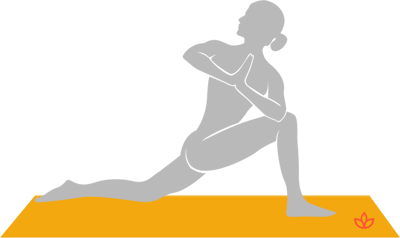
- Begin in Pigeon Pose with your right knee bent and your right foot near your left hip, and your left leg extended straight back behind you. Ensure your hips are as level as possible by placing a blanket or block under your right hip if it is lifted.
- On an exhale, begin to gently walk your hands forward, lowering your torso down over your right leg.
- Rest your forehead on the floor or on a prop such as a block or stacked hands for support.
- You can stretch your arms forward with palms facing down, or bring your palms together in a prayer position above your head.
- Breathe deeply and consciously, allowing gravity and your breath to deepen the stretch in your right hip. Aim to hold the pose for several breaths, noticing any tension and inviting release.
- To release, inhale slowly and walk your hands back towards your body, gently lifting your torso.
- Transition out of the pose carefully and change sides, repeating the steps with your left leg forward.
Benefits of Downward-Facing Pigeon Pose
Adho Mukha Kapotasana offers numerous physical and mental benefits:
- Deep Hip Opener: Effectively stretches the external rotators of the front hip and quadriceps of the back leg, increasing flexibility and range of motion.
- Lengthens the Psoas: This pose targets the psoas muscle, which can become tight from prolonged sitting, contributing to lower back pain.
- Prepares for Advanced Poses: It is an excellent preparatory pose for the full One-Legged King Pigeon Pose series and other deep seated hip openers like Double Pigeon Pose.
- Calms the Mind: The forward fold and deep hip release have a soothing effect on the nervous system, helping to calm the mind and reduce stress and anxiety.
- Stimulates Abdominal Organs: The gentle compression of the abdomen can aid in digestion and stimulate the abdominal organs.
- Releases Emotional Tension: Hips are often considered repositories of emotional tension, and opening them can facilitate emotional release.
Cautions and Contraindications
While generally safe, individuals should approach Downward-Facing Pigeon Pose with awareness and caution, particularly if they have:
- Hip or Knee Injuries: Avoid this pose or modify it significantly if you experience pain in your hips or knees. Consult with a healthcare professional or experienced yoga instructor.
- Sciatica: If you have active sciatica, practice with extreme caution or avoid the pose if it exacerbates symptoms.
- Recent Surgery: Individuals who have undergone recent abdominal, hip, or knee surgery should avoid this pose.
- Pregnancy: Pregnant individuals should consult their doctor and a prenatal yoga instructor before attempting this pose, as deep hip openers can be intense.
Pose Details
| Sanskrit Name: | Adho Mukha Kapotasana |
| Pronunciation: | ah-doh moo-kah kop-oh-TAH-sah-nah |
| English Name: | Downward-Facing Pigeon Pose |
| Pose Level: | Intermediate |
| Drishti (Gaze): | Bhrumadhye (Third Eye) |
| Pose Type: | Forward Bends, Hip Openers |
Whether you are relying on a pose generator for daily inspiration or delving deep into specific stretches, Downward-Facing Pigeon Pose is a valuable addition to any yoga practice for its profound physical and mental benefits.