Seated Forward Bend Pose (Paschimottanasana)

The Seated Forward Bend, known in Sanskrit as Paschimottanasana (pah-shee-moat-TAH-NAH-sah-nah), is a fundamental yoga posture that offers profound benefits for both the body and mind. It is a classic seated forward fold that stretches the entire back side of the body, from the hamstrings to the spine, while also stimulating internal organs. The name *Paschimottanasana* breaks down into "paschima," meaning "west" or "back of the body," and "uttana," meaning "intense stretch," aptly describing the deep elongation this pose provides.
How to Practice Paschimottanasana
Follow these steps to safely and effectively practice Seated Forward Bend Pose:
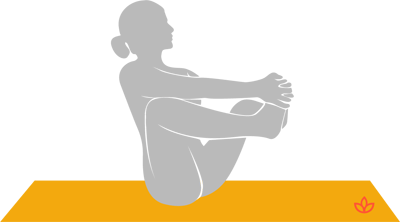
- Begin by sitting on your mat with your legs stretched out in front of you, feet together, and toes pointing upwards. Ensure your sitting bones are grounded evenly. This foundational position is similar to Staff Pose (Dandasana).
- Inhale deeply as you sweep your arms overhead, lengthening your spine as much as possible, reaching towards the ceiling. Imagine creating space between each vertebra.
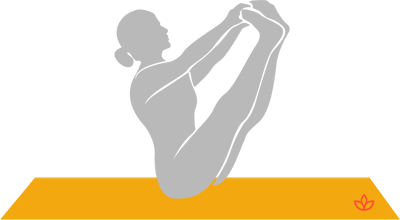
- As you exhale, hinge from your hips, leading with your chest, and fold forward over your legs. Keep your spine long initially, avoiding rounding your back.
- Depending on your flexibility, clasp the outsides of your feet, ankles, or calves. If reaching is challenging, you can use a strap around the balls of your feet.
- Allow your head to relax and hang heavy, ensuring your neck remains in line with your spine. The goal isn't to touch your head to your knees, but to lengthen the spine from the base.
- Breathe deeply and consciously throughout the pose, allowing your body to soften with each exhale. Hold for 30 seconds to several minutes, gradually increasing your duration.
- To come out, inhale as you slowly lift your torso back to an upright seated position, releasing your grip.
Benefits of Seated Forward Bend Pose
Paschimottanasana is a powerhouse of benefits, making it an essential pose in many yoga sequences.
- Deep Hamstring and Spine Stretch: This pose provides an intense stretch for the entire posterior chain, including the hamstrings, glutes, and back muscles, improving overall flexibility.
- Stimulates Digestion: The compression of the abdominal organs in this forward bend helps to stimulate digestion and can alleviate mild constipation.
- Calms the Nervous System: Forward bends are inherently calming. Paschimottanasana helps to quiet the mind, reduce stress, and can ease symptoms of anxiety and mild depression. This makes it an excellent pose for facilitating *pratyahara* (withdrawal of the senses) and preparing for meditation.
- Improves Posture: By lengthening the spine and stretching tight back muscles, regular practice can contribute to improved posture.
Cautions and Contraindications
While a beneficial pose, Paschimottanasana should be approached with awareness:
- Acute Back Injury: If you have a recent or acute back injury, such as a slipped disc, it is best to avoid this pose or practice it with extreme caution and under the guidance of an experienced teacher.
- Asthma: Individuals with asthma should practice this pose gently, ensuring they can breathe freely. Avoid over-compressing the chest.
- Pregnancy: Pregnant individuals should modify this pose by widening the legs to create space for the belly, or by practicing a different forward bend like Wide-Legged Forward Bend.
- Tight Hamstrings: If your hamstrings are very tight, bend your knees significantly to allow for a straighter spine in the forward fold. The focus should be on lengthening the spine from the hips, not forcing the hamstrings.
If you're ever unsure about a modification or proper alignment, consulting with a certified yoga instructor or using a reliable pose generator or yoga generator for visual guidance can be incredibly helpful.
Pose Details
| Sanskrit Name: | Paschimottanasana |
| Pronunciation: | pah-shee-moat-TAH-NAH-sah-nah |
| Pose Level: | Beginner |
| Drishti: | Nasagre (Tip of the nose) |
| Pose Type: | Forward Bends, Seated Poses |
Incorporating Paschimottanasana into your regular practice can bring increased flexibility, improved digestion, and a sense of calm. Experiment with holding the pose for different durations, always listening to your body.