Staff Pose (Dandasana)
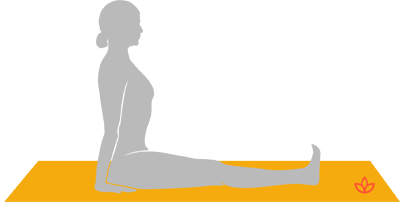
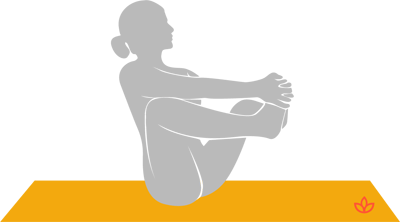
Staff Pose, known as Dandasana (dahn-DAH-sah-nah) in Sanskrit, is a fundamental seated yoga posture that might appear simple, yet it is deceptively challenging. The name Dandasana comes from "Danda," meaning "staff" or "rod," implying the straight and stable alignment of the spine in this pose. It serves as a foundational posture, much like a staff provides support, enabling proper alignment for many other seated poses and forward bends.
Often considered a beginner’s pose, Dandasana requires significant core strength, active engagement of the legs, and a degree of hamstring flexibility to maintain its strict 90-degree angle between the torso and legs. Mastering this pose builds the awareness and strength necessary for a wide array of subsequent yoga practices.
How to Practice Staff Pose
To access the full benefits of Dandasana, follow these instructions:
- Begin by sitting on your yoga mat with your legs extended straight out in front of you. Ensure your sitting bones are firmly grounded.
- Engage your feet strongly, drawing your toes actively back toward your shins so that your heels press away from you. This engagement helps to awaken the leg muscles and can be facilitated by imagining a Leg Cradle Pose generator to help visualize the active legs.
- Place your hands flat on the floor beside your hips, fingers pointing forward. If your hamstrings are tight, you might need to place your hands slightly behind your hips to help prop your torso upright.
- Actively press down through your palms and sitting bones, lengthening your spine upwards. Imagine a string pulling the crown of your head towards the sky.
- Engage your core muscles, drawing your navel slightly in and up. This supports the lumbar spine and helps maintain the integrity of the pose.
- Keep your gaze (Drishti) soft and forward, or gently direct it towards Bhrumadhye, the space between your eyebrows (Third Eye).
- Breathe smoothly and deeply, holding the pose for several breaths. Notice the effort required to stay straight and grounded.
Benefits of Staff Pose
Dandasana offers a multitude of benefits for both beginners and experienced practitioners:
- Improves Posture: By emphasizing an upright, elongated spine, it trains the body for better posture in everyday activities.
- Builds Core Strength: Sustaining the erect torso requires significant engagement of the abdominal muscles, strengthening the core.
- Develops Hamstring Flexibility: The extended leg position gently stretches the hamstrings, gradually increasing their flexibility over time. For those with very tight hamstrings, sitting on a folded blanket can help tilt the pelvis forward and ease the stretch. This makes it a great preparatory pose for deeper forward bends like Seated Forward Bend Pose.
- Strengthens Back Muscles: The effort to keep the spine straight also engages and strengthens the often-underused muscles of the back.
- Grounding and Centering: As a seated pose, Dandasana cultivates a sense of stability and inward focus.
Cautions and Contraindications
Staff Pose is generally safe, but individuals with severe lower back injuries should exercise caution. If you experience any sharp pain in your hamstrings or lower back, ease out of the pose or modify it by placing a blanket under your sitting bones to elevate the hips slightly. For those exploring variations, a yoga generator can offer alternative seated postures if Dandasana feels too intense initially.
Staff Pose Details
| Sanskrit Name: | Dandasana |
| Pronunciation: | dahn-DAH-sah-nah |
| Pose Level: | Beginner |
| Drishti: | Bhrumadhye (Third Eye) |
| Pose Type: | Core, Seated Poses, Strength |