Wide-Legged Forward Bend (Prasarita Padottanasana)
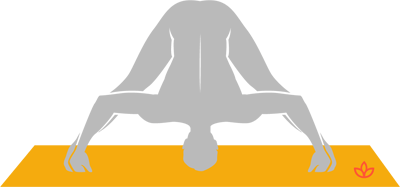
Wide-Legged Forward Bend, or Prasarita Padottanasana (prah-SAR-ee-tah PAH-doh-TAH-NAH-sah-nah), is a foundational standing posture that offers a deep stretch to the hamstrings, inner thighs, and spine. The Sanskrit name itself provides insight into the pose: "Prasarita" means expanded or spread, "Pada" refers to the foot, "Uttana" means intense stretch, and "Asana" is pose. Essentially, it's an "Intense Spread Foot Stretch Pose." This inversion also brings a calming effect as the head is gently lowered below the heart. Many find this pose to be a staple in their practice, often discovered through a personalized yoga generator or a dedicated pose generator designed to introduce various standing postures.
This pose is an excellent way to lengthen the posterior chain of the body and can be a wonderful preparation for deeper forward folds or even inversions.
How to Practice Wide-Legged Forward Bend
Follow these steps to safely and effectively practice Prasarita Padottanasana:
- Begin by standing with your feet wide apart, approximately three to four feet, depending on your height and flexibility. Your feet should be parallel to each other.
- Ground down through all four corners of your feet, engaging your thigh muscles to lift your kneecaps.
- Inhale deeply, lengthening your spine. As you exhale, hinge forward from your hips, keeping your back long and flat.
- Reach your hands down towards your ankles. If you cannot comfortably reach your ankles, you can place your hands on your shins, thighs, or the floor. Some practitioners might use a block for support.
- Allow your head to hang heavy, releasing tension in your neck. The crown of your head should ideally move towards the floor.
- Breathe deeply and consciously while holding the pose, aiming to release tension with each exhale. Focus your drishti (gazing point) toward the tip of your nose (Nasagre).
- To come out of the pose, inhale and slowly lift your torso back to a standing position, leading with a long spine.
Benefits of Wide-Legged Forward Bend
Prasarita Padottanasana offers a multitude of physical and mental benefits:
- Stretches the Spine: This forward bend creates length along the entire posterior chain, decompressing the vertebrae and promoting spinal health.
- Improves Hamstring and Inner Thigh Flexibility: The wide stance and forward fold provide an intense stretch for the hamstrings and the adductor muscles of the inner thighs.
- Stimulates Digestion: The compression of the abdominal organs can gently stimulate digestive function.
- Brings Fresh Blood to the Brain: As an inversion, the pose helps to reverse the flow of blood, encouraging fresh, oxygenated blood to the brain, which can promote mental clarity and energy.
- Relaxes the Mind: The inverted aspect, combined with the grounding nature of the pose, can have a calming effect on the nervous system, helping to alleviate stress and anxiety. It's often included in sequences as a tool for a yoga generator to ease into more introspective practices.
Cautions and Contraindications
While generally safe for beginners, it is important to approach Prasarita Padottanasana with awareness:
- Hip or Back Injury: Individuals with acute hip or lower back injuries should exercise caution or avoid this pose entirely. Consult a healthcare professional or an experienced yoga instructor for modifications.
- High Blood Pressure or Glaucoma: As this is an inversion, those with high blood pressure, glaucoma, or other conditions sensitive to increased pressure in the head should approach with care or avoid. A Standing Forward Bend with hands on blocks might be a suitable alternative.
- Hamstring Tears: If you have a hamstring tear, bending forward too deeply can exacerbate the injury. Keep a micro-bend in the knees and avoid forcing the stretch.
Always listen to your body and modify the pose as needed.
Pose Details
| Sanskrit Name: | Prasarita Padottanasana |
| Pronunciation: | prah-SAR-ee-tah PAH-doh-TAH-NAH-sah-nah |
| Pose Level: | Beginner |
| Drishti: | Nasagre (Tip of the nose) |
| Pose Type: | Forward Bends, Hip Openers, Inversions, Standing Poses |
This pose is a fantastic entry point into the world of inversions and deep stretches, often appearing early in a sequence generated by a Plow Pose generator for example, which also focuses on spinal flexibility.