Lotus Peacock Pose (Padma Mayurasana)
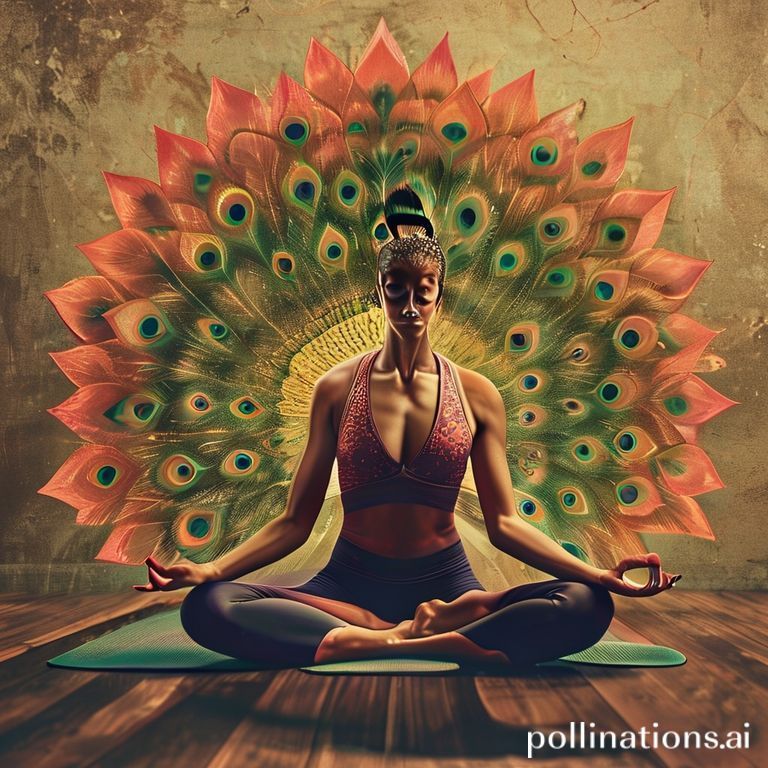
The Lotus Peacock Pose, or **Padma Mayurasana** (pronounced: pahd-mah my-YUR-AH-sah-nah), is an advanced arm-balancing asana that combines the foundational strength of Peacock Pose with the deep hip-opening and meditative qualities of Lotus Pose. In Sanskrit, "Padma" means lotus, and "Mayura" means peacock, aptly describing this elegant and challenging posture. It demands significant upper body strength, core engagement, and profound focus, making it a pinnacle pose for practitioners seeking to elevate their arm-balancing practice.
What is Lotus Peacock Pose?

Lotus Peacock Pose is an intricate arm balance where the practitioner supports their entire body weight on their upper arms and hands, with the legs folded into the classic cross-legged Lotus Pose. This alignment creates a compact, stable base that requires exceptional balance and internal awareness. The pose is renowned for cultivating not only physical prowess but also mental tranquility and heightened concentration. It's often explored by those who have mastered foundational arm balances and are looking for a next-level challenge in their yoga journey, perhaps even using a personalized yoga generator or pose generator to discover such advanced asanas tailored to their progress.
Achieving Padma Mayurasana is a testament to dedicated practice, building strength in the wrists, forearms, biceps, triceps, and shoulders, while simultaneously opening the hips and engaging the deep core musculature. It is a full-body integration that strengthens and stabilizes from the ground up.
How to Practice Lotus Peacock Pose (Padma Mayurasana)
Given its advanced nature, it's crucial to approach Padma Mayurasana with a warm-up that adequately prepares the wrists, arms, shoulders, and hips. Ensure you have a clear, non-slip surface, and consider practicing near a wall for support initially.
Instructions:
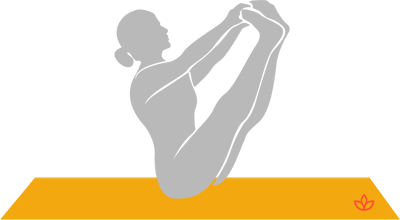
- Begin by sitting in Lotus Pose (Padmasana) on your mat.
- Place your hands firmly on the floor beside your hips, with your fingers pointing towards your body. This inward rotation of the hands is key for wrist stability and arm alignment in this pose.
- Rock gently onto your knees, allowing your torso to shift forward. Adjust your hands as needed to ensure they are shoulder-width apart, with your wrists aligned directly under your elbows.
- Bend your elbows, keeping them tucked in close to your body. Begin to lean your torso forward, resting the front of your upper arms (triceps) into your abdominal region. The elbows act as a shelf for your body.
- Continue to shift your weight forward, engaging your core deeply. As you lean, your knees will naturally lift from the floor, bringing your lotus-bound legs parallel to the ground.
- Find your balance, maintaining a steady gaze (Drishti) at the tip of your nose (Nasagre). Keep your elbows lifted and your core engaged to prevent collapsing.
- Hold the pose for a few breaths, maintaining a steady and controlled breath.
- To release, gently lower your knees back to the floor and return to a seated position. Counter-stretch your wrists as needed.
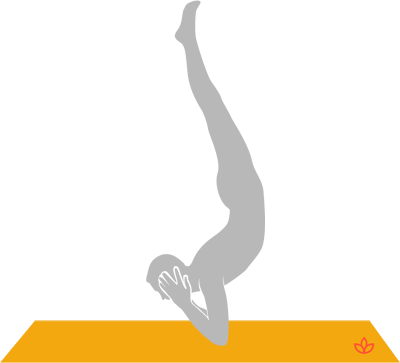
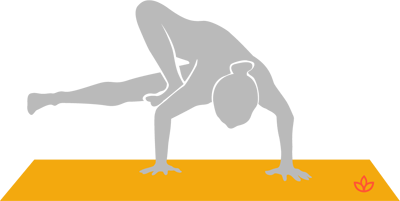
For those working towards this pose, preparatory exercises like Peacock Pose (Mayurasana) and various wrist and core strengthening exercises are highly recommended.
Benefits of Lotus Peacock Pose
Padma Mayurasana offers a wealth of physical and energetic benefits:
- Increases Flexibility and Hip Opening: The Lotus leg position deeply stretches the hips, groins, and ankles, enhancing overall lower body flexibility.
- Strengthens Upper Body and Core: This pose is a powerful builder of strength in the wrists, forearms, biceps, triceps, shoulders, and core muscles. It’s an excellent way to prepare for other advanced arm balances like Handstand.
- Improves Digestion and Encourages Detoxification: The pressure of the arms against the abdomen stimulates internal organs, which can aid digestion and massage the abdominal viscera, supporting the body's natural detoxification processes.
- Enhances Body Awareness and Balance: The delicate balance required in Padma Mayurasana refines proprioception and interoception, leading to improved overall body awareness and a deeper sense of equilibrium.
- Boosts Concentration and Focus: Mastering this demanding pose requires intense mental focus, teaching practitioners to quiet the mind and remain present. This can translate into improved concentration in daily life.
Cautions and Contraindications
Due to its challenging nature, Lotus Peacock Pose should be avoided by individuals with certain conditions:
- High blood pressure or glaucoma.
- Any existing injuries to the wrists, shoulders, arms, knees, or hips.
- Pregnancy.
Always listen to your body and consult with a qualified yoga instructor or healthcare provider if you have any doubts or concerns about practicing this pose.
Lotus Peacock Pose Details
| Sanskrit Name: | Padma Mayurasana |
| Pronunciation: | pahd-mah my-YUR-AH-sah-nah |
| Pose Level: | Advanced |
| Drishti: | Nasagre (Tip of the nose) |
| Pose Type: | Arm Balance, Balancing, Binds, Core, Hip Opener, Strength |
Whether you're exploring this pose through a personal Padma Mayurasana generator or guided instruction, remember that patience and consistent practice are key to unlocking its profound benefits.