Lotus Pose (Padmasana)
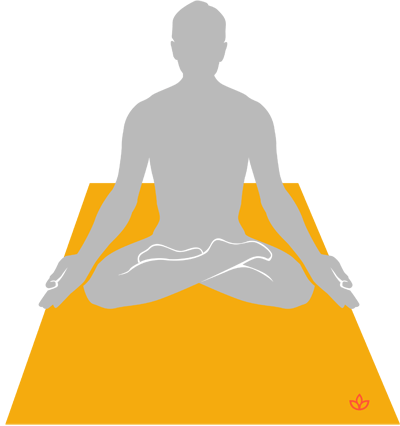
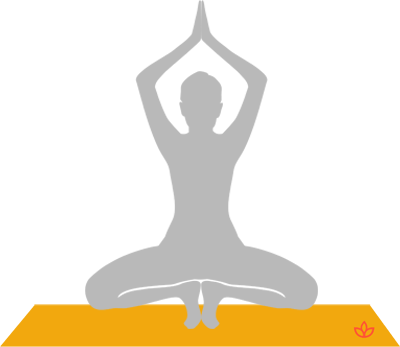
Lotus Pose, or Padmasana, is arguably the most recognized meditation posture in yoga. It is an advanced seated yoga asana, deeply rooted in traditional practices, where the yogi sits with legs crossed, placing each foot onto the opposite thigh. This iconic posture embodies stability, peace, and deep concentration, making it a cornerstone for meditation, pranayama (breathwork), and spiritual practices across various traditions.
The name Padmasana itself is derived from the Sanskrit words 'Padma' (पद्म), meaning 'lotus,' and 'Asana' (आसन), meaning 'posture' or 'seat.' The pose mimics the serene and balanced structure of a lotus flower, where the body forms a stable base, allowing the mind to unfold and blossom.
How to Practice Lotus Pose (Padmasana)
Padmasana is an advanced pose requiring significant hip flexibility. Always approach this posture with mindfulness and never force your body into position.
- Begin by sitting on your mat with your legs extended straight out in front of you in Staff Pose (Dandasana).
- Bend your right knee and gently bring your right foot to rest on top of your left thigh, ensuring the sole of your foot faces upwards and your heel is close to your abdomen.
- Once stable, carefully bend your left knee and place your left foot on top of your right thigh, again with the sole facing upwards and the heel near your navel.
- Allow your knees to ideally drop towards the floor; however, do not force them down. The goal is comfort and stability, not maximal depth initially.
- Rest your hands on your thighs in a Mudra such as Jnana Mudra (thumb and index finger touching) or Chin Mudra (palms facing down).
- Inhale deeply, lengthening your spine upwards, drawing your shoulders back and down, and lifting the crown of your head towards the ceiling.
- Close your eyes softly and focus on your breath, allowing it to deepen and become smooth. Maintain a steady gaze (drishti) at the third eye point (Bhrumadhye) between your eyebrows.
- Hold the pose for a comfortable duration, gradually increasing your time as flexibility improves.
Benefits of Lotus Pose
Regular practice of Padmasana offers a multitude of physical and energetic benefits:
- Stabilizes Body and Mind: The cross-legged, grounded nature of the pose brings a profound sense of steadiness, which in turn calms the nervous system and quietens mental chatter.
- Directs Prana Upward: In traditional yoga, Padmasana is believed to lock the lower body, directing the vital life force (prana) upwards through the central energy channel (Sushumna Nadi) from the base of the spine, facilitating deeper meditative states.
- Encourages Blood Flow to the Abdomen: The compression in the legs redirects blood flow towards the abdominal region, potentially stimulating digestive organs and improving their function.
- Stretches Hips and Ankles: This pose is an excellent hip opener and also provides a deep stretch to the ankles and knees, improving flexibility in these critical joints.
Cautions and Contraindications
Due to its advanced nature and the deep hip rotation involved, Lotus Pose should be approached with caution or avoided in certain conditions:
- Sciatica: Individuals suffering from sciatica should avoid this pose as it can exacerbate nerve impingement.
- Knee Injury: Padmasana places significant pressure on the knees. If you have any knee pain or injury, including meniscus tears or ligament issues, refrain from practicing this pose.
- Pregnancy: During pregnancy, the ligaments become more lax, and the deep hip flexion could be uncomfortable or potentially harmful. Consult with a healthcare provider or a prenatal yoga specialist.
- Ankle Injuries: If you have any current ankle issues or lack flexibility, attempting the full pose can strain the ankle joints.
Lotus Pose Details
Understanding the intricacies of Padmasana can enhance your practice and appreciation for this powerful pose:
| Detail | Description |
|---|---|
| Sanskrit Name | Padmasana |
| Pronunciation | pahd-MAH-sah-nah |
| Pose Level | Advanced |
| Drishti (Gaze Point) | Bhrumadhye (Third Eye) |
| Pose Type | Hip Openers, Seated Poses |
| Common Alternate Names | Lotus Position |
For those looking to explore similar hip-opening poses or seated meditations, consider using a yoga pose generator to find complementary postures, or experiment with a lotus pose generator that can suggest variations and preparatory poses suitable for your current flexibility level.