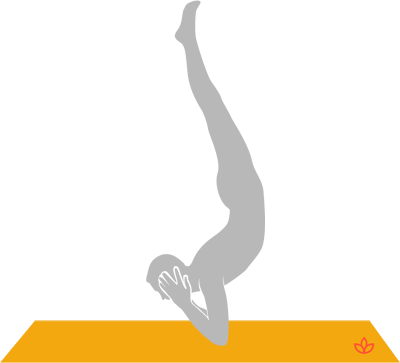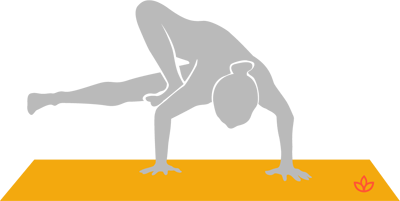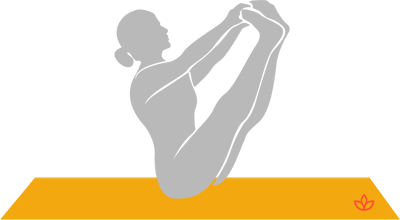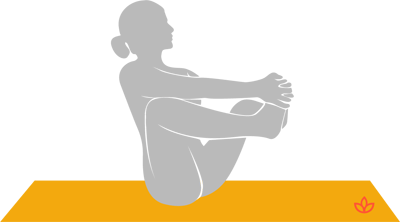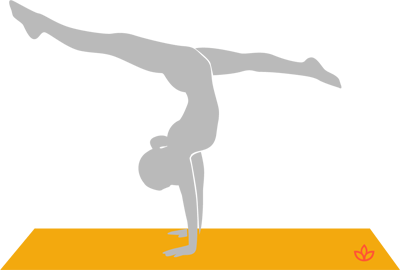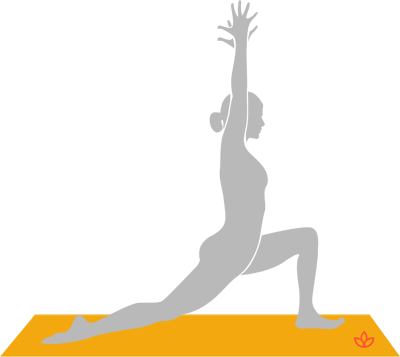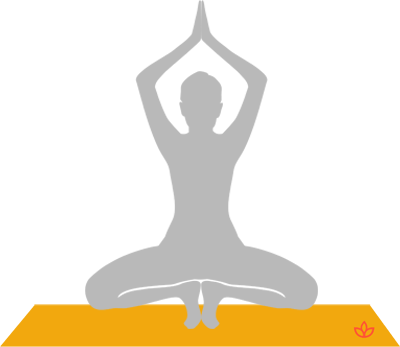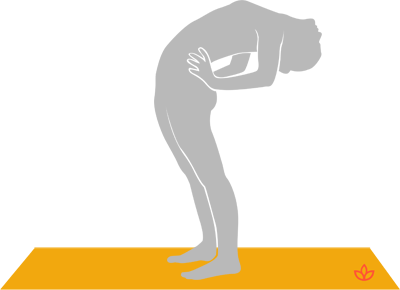
Adho Mukha Vrksasana: The Handstand
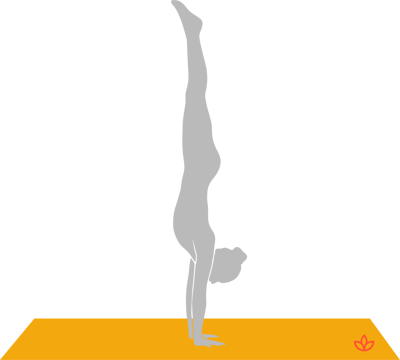
Sanskrit: Adho Mukha Vrksasana (ah-dho moo-khah vrik-SHAH-sah-nah)
*Adho* means "downward," *Mukha* means "facing," and *Vrksasana* means "tree pose." Therefore, Adho Mukha Vrksasana translates to Downward-Facing Tree Pose, a perfectly descriptive name for this inverted posture where the body emulates a tree reaching its roots (hands) into the earth and its branches (legs) toward the sky.
Handstand is a powerful and popular advanced inversion that demands both physical strength and mental focus. It cultivates a profound sense of equilibrium, balance, and self-confidence as the practitioner learns to find stability while inverted, supporting their entire body weight on their hands, arms, and core.
How to Practice Handstand
Entering Handstand requires concentration and controlled movement.
- Begin in Downward-Facing Dog Pose (Adho Mukha Svanasana) with your hands shoulder-distance apart, fingers spread wide and pressing firmly into the mat.
- On an exhale, begin to walk your feet slowly towards your hands. Keep your gaze (drishti) fixed between your hands or slightly forward.
- As your torso becomes almost vertical, inhale and, with control, kick one foot at a time towards the sky. Engage your core deeply to protect your spine and assist in the lift.
- Once inverted, actively stretch your feet upwards, extending through your heels, and continue to push down through your hands as if you are trying to push the floor away.
- Breathe steadily, maintaining length through your spine and engagement throughout your entire body.
- To exit, gently lower one leg at a time or with more advanced control, float both legs down.
For those looking for personalized sequences, a Handstand generator feature can help you integrate this pose into a challenging practice.
Benefits of Handstand
Beyond the exhilaration of being upside down, Handstand offers a multitude of physical and mental benefits:
- Develops Physical Equilibrium: Mastering Handstand significantly enhances your sense of balance and proprioception.
- Strengthens Wrists and Arms: This pose is an excellent way to build substantial strength in the wrists, forearms, and shoulders.
- Strengthens Core and Spine: A strong core is fundamental to holding Handstand, which in turn fortifies the abdominal muscles and supports a healthy spine.
- Improves Digestion: Inversions like Handstand can help stimulate the digestive organs by reversing the gravitational pull.
- Stimulates Lung Function: Being inverted changes the blood flow to the lungs, potentially improving respiratory efficiency.
- Improves Circulation: Reversing blood flow can assist in improving overall circulation throughout the body.
- Improves Focus and Builds Confidence: The concentration required for Handstand helps quiet the mind, while successfully achieving the pose builds immense self-assurance.
- Prepares for Advanced Arm Balances: Handstand lays a strong foundation for other complex arm balances and inversions such as Scorpion Pose.
Cautions and Contraindications
Handstand is an advanced posture and should be approached with care. Avoid practicing Handstand if you have:
- Shoulder, wrist, or neck injuries.
- Heart conditions or high blood pressure.
- Glaucoma.
- Are pregnant.
Always listen to your body and consult with a qualified yoga instructor if you are unsure about practicing this pose.
Handstand Details
| Sanskrit Name: | Adho Mukha Vrksasana |
| Pronunciation: | ah-dho moo-khah vrik-SHAH-sah-nah |
| Pose Level: | Advanced |
| Drishti (Gaze): | Nasagre (Tip of the nose) |
| Pose Type: | Arm Balance, Balancing, Core, Inversion, Strength |
Whether you're using a pose generator to find your next challenge or gradually building strength, Handstand is a rewarding goal that embodies stability and grace. Here is an image of the pose itself: