Ashwasana: Holy Fig Tree Pose
Ashwasana (ahsh-wahn-AH-sah-nah), often referred to as Holy Fig Tree Pose, is a graceful balancing posture that draws inspiration from the rooted stability and expansive nature of a sacred fig tree. In Sanskrit, "Ashwa" traditionally means "horse," and while this particular pose isn't directly horse-like, it is often associated with strength, balance, and reaching, much like a Dancer's Pose or a focused extension. This variation of Tree Pose challenges your equilibrium and enhances your proprioception, making it an excellent addition to any yoga flow designed by a responsive yoga generator.
How to Practice Ashwasana (Holy Fig Tree Pose)
Follow these steps to safely and effectively practice Holy Fig Tree Pose:
- Begin in a standing position, ideally Mountain Pose (Tadasana), with your feet together and arms at your sides.
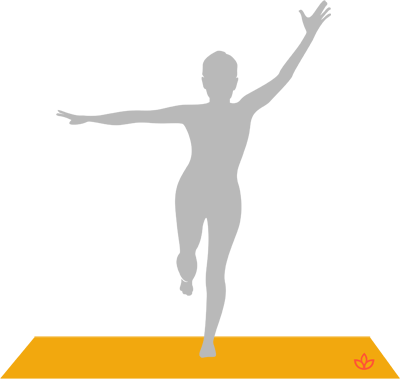
- Bring your arms straight out in front of you, parallel to the floor, at shoulder height, palms facing each other.
- Shift your weight firmly onto your left foot, rooting down through all four corners of the foot. Engage your left thigh to create a strong foundation.
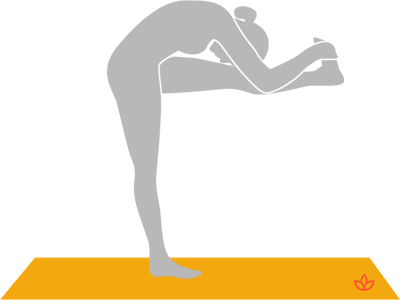
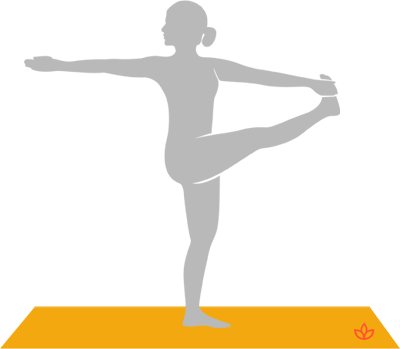
- As you inhale, slowly begin to lift your right foot off the floor and extend it back and up behind you, keeping the leg relatively straight. As the right leg extends back, simultaneously extend your right arm out to the right side, parallel to the floor, palm facing down.
- Keep your gaze (drishti) steady on a fixed point in front of you or towards the tip of your nose (Nasagre) to aid in balance.
- Hold the pose for several breaths, focusing on your stability and the gentle stretch in your back leg and arm.
- To release, slowly lower your right leg and arm as you exhale, returning to a standing position.
- Repeat the pose on the other side, shifting your weight to your right foot and extending your left leg back and left arm to the side.
Benefits of Holy Fig Tree Pose
Ashwasana offers a range of physical and energetic benefits:
- Improves Balance: This pose significantly challenges and enhances your sense of balance, both physically and mentally. It trains your body to find stability on one leg.
- Boosts Proprioception: By requiring precise body awareness to maintain equilibrium, Ashwasana strengthens your proprioception — your body's perception of its own position in space.
- Stretches and Strengthens the Lower Back: The gentle extension of the back leg and torso helps to stretch and strengthen the muscles of the lower back.
- Enhances Energy and Circulation: Balancing poses are energizing. The effort to stabilize can invigorate the body and improve blood flow, making this a great pose to include in an "energy boost" pose generator sequence.
- Improves Respiration: By focusing on steady breathing while maintaining a challenging posture, Ashwasana can help cultivate deeper, more controlled respiration.
Cautions and Contraindications
While Ashwasana is a beginner-level pose, it's important to approach it with awareness:
- Pregnancy: Pregnant individuals should avoid this pose due to the risk of losing balance.
- Vertigo: If you experience vertigo or severe dizziness, it is best to avoid this pose or practice with extreme caution and support.
- Knee or Ankle Injuries: Individuals with recent or chronic knee or ankle injuries should proceed with care or modify the pose with guidance from a qualified instructor.
Ashwasana Pose Details
| Sanskrit Name: | Ashwasana |
| Pronunciation: | ahsh-wahn-AH-sah-nah |
| Drishti (Gaze): | Nasagre (Tip of the nose) |
| Pose Level: | Beginner |
| Pose Type: | Balancing, Standing Pose |