Crescent Moon Pose (Anjaneyasana)
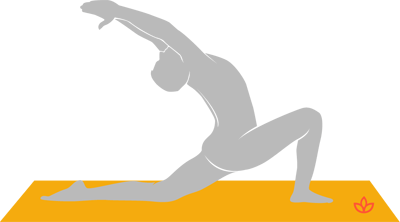
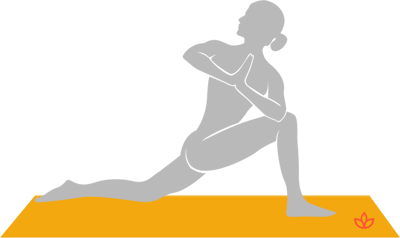
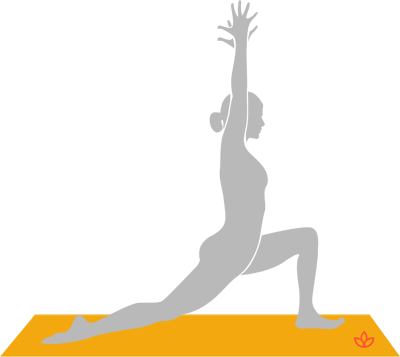
Crescent Moon Pose, known in Sanskrit as *Anjaneyasana* (ahn-jah-nay-AH-sah-nah), is a foundational low lunge that opens the hips, stretches the legs, and expands the chest. The name *Anjaneyasana* is derived from Anjaneya, another name for Hanuman, the son of Anjana, representing strength and devotion. This pose can be a stepping stone for more advanced backbends and is often practiced in various yoga traditions to build flexibility and focus.
`How to Practice Crescent Moon Pose
- Begin in Downward-Facing Dog Pose.
- On an exhale, step your right foot forward, placing it between your hands.
- Gently lower your left knee to the floor, untucking your back toes so the top of the foot rests on the mat.
- Ensure your front (right) knee is stacked directly above your right ankle. Adjust your stance if necessary to protect your knee.
- Inhale and sweep your arms overhead, reaching towards the sky. Allow your chest to lift and your gaze (drishti) to follow diagonally upward.
- Breathe deeply and hold the pose, feeling the stretch in your front hip flexor and quadriceps. Imagine creating space along the sides of your body and through your spine.
- To release, exhale as you lower your hands to the mat, then step back into Downward-Facing Dog.
- Repeat the sequence on the left side.
Benefits of Crescent Moon Pose
Anjaneyasana offers a multitude of benefits, targeting key areas of flexibility and strength.
- Opens the Hips: This pose effectively stretches the hip flexors, particularly the psoas muscle, which can become tight from prolonged sitting.
- Lengthens the Spine and Sides of the Body: The upward reach and gentle backbend create length through the torso, decompressing the spine.
- Stretches Quadriceps: The back leg's position provides a deep stretch for the quadriceps and ankles.
- Improves Balance: Holding the pose requires engagement of core muscles, enhancing stability and balance.
- Opens the Shoulders and Chest: Reaching the arms overhead helps to broaden the collarbones and open the chest, improving breathing capacity and posture.
Cautions and Contraindications
While Crescent Moon Pose is generally safe for beginners, it's important to listen to your body and take modifications as needed.
- If you experience any knee pain, place a folded blanket or towel under your back knee for cushioning.
- Individuals with severe hip or knee injuries should approach this pose with caution or consult a healthcare professional.
- If maintaining balance is challenging, you can keep your hands on your front thigh or on blocks beside your front foot.
Crescent Moon Pose Details
Understanding the specifics of a pose can deepen your practice and help you explore variations. If you're looking for a personalized sequence that includes poses like this, consider using a yoga generator to create custom flows.
| Sanskrit Name: | Anjaneyasana |
| Pronunciation: | ahn-jah-nay-AH-sah-nah |
| Pose Level: | Beginner |
| Drishti (Gaze Point): | Urdhva (Toward the sky) |
| Pose Type: | Backbends, Balancing, Chest Openers, Hip Openers |
For those looking to explore similar hip-opening and balancing poses, you might enjoy trying Low Lunge Pose (another common name for Anjaneyasana), or Crescent Lunge Pose which offers a more intense variation with the back knee lifted off the floor. You can also use a specific Crescent Moon Pose generator for more details and variations.