Low Lunge Pose (Anjaneyasana)
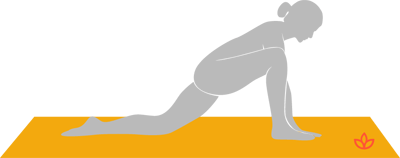
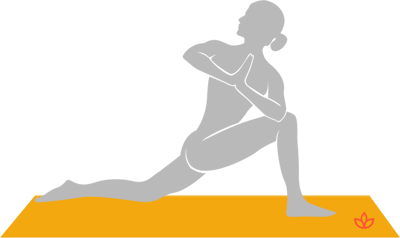
The Low Lunge Pose, known in Sanskrit as *Anjaneyasana*, is a foundational and deeply beneficial yoga posture. Named after Anjaneya, another name for Hanuman, the son of Anjani, this pose embodies strength, devotion, and a deep stretch. It's an excellent beginner-friendly hip opener that helps to create space and flexibility in the lower body.
What is Low Lunge Pose?
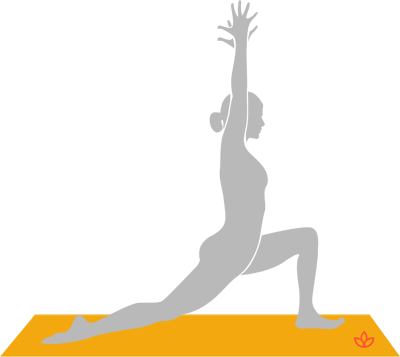
Anjaneyasana is a kneeling lunge that effectively stretches the hips, groins, and quadriceps, while also gently strengthening the legs. It's often practiced as part of a sun salutation sequence or as a transition pose to deepen into other hip-opening postures. This pose is a fantastic way to warm up the lower body and prepare for more advanced poses, making it a staple for any comprehensive yoga generator or personalized flow.
How to Practice Low Lunge Pose
Follow these steps to safely and effectively practice Low Lunge Pose:
- Begin in Downward-Facing Dog Pose.
- On an exhale, step your right foot forward, placing it between your hands.
- Ensure your right ankle is directly aligned beneath your right knee, forming a 90-degree angle.
- Gently lower your left knee to the floor. You may wish to place a blanket under your knee for cushioning.
- Untuck your back toes, so the top of your left foot rests on the mat.
- Keep your hands on the floor, framing your front foot, with your fingertips in line with your front heel.
- Engage your core gently to support your lower back.
- Breathe deeply, allowing your hips to soften and deepen the stretch with each exhale.
- To exit the pose, tuck your back toes under, lift your back knee, and on an exhale, step your right foot back to Downward-Facing Dog Pose.
- Repeat the sequence on the left side.
Benefits of Low Lunge Pose
Practicing Anjaneyasana regularly offers a multitude of physical and energetic benefits:
- Strengthens the gluteus and quadriceps muscles, particularly in the front leg.
- Deeply stretches the hip flexors (psoas) and groins, relieving tightness common from prolonged sitting.
- May help to ease sciatica pain by decompressing the lower back and stretching the piriformis muscle.
- Stimulates the reproductive and digestive organs through compression and release, promoting better function.
- Improves balance and stability.
- Opens the chest and shoulders if the arms are lifted, enhancing lung capacity.
Cautions and Contraindications
While Anjaneyasana is a beginner-friendly pose, it's important to approach it with awareness:
- Avoid this pose or modify it significantly if you have a knee injury. Always place a blanket or padding under the back knee if it feels uncomfortable.
- Individuals with hip or groin injuries should exercise caution and consult with a healthcare professional or experienced yoga instructor.
- If you experience any sharp pain, especially in the knees or hips, gently come out of the pose.
Low Lunge Pose Details
For those curious about the deeper aspects of this fundamental posture, here are some key details:
| Sanskrit Name: | Anjaneyasana |
| Pronunciation: | on-jah-nay-AH-sah-nah |
| Pose Level: | Beginner |
| Drishti (Gaze Point): | Nasagre (Tip of the nose) or Urdhva (Upwards, towards the hands if lifted) |
| Pose Type: | Hip Openers, Standing Poses (often transitions to standing) |
Whether you're using a Low Lunge Pose generator for inspiration or following a guided class, remember to listen to your body and honor its unique needs in this pose.