Upward Plank Pose (Purvottanasana)
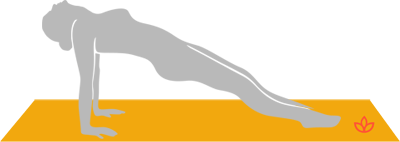
Upward Plank Pose, known in Sanskrit as Purvottanasana (poor-voh-tah-NAH-sah-nah), is a powerful backbending and strengthening posture that beautifully complements many forward-folding poses. The name itself offers insight into its essence: "Purva" means "east" or "front of the body," "Uttana" means "intense stretch," and "Asana" means "pose." In this pose, the practitioner faces the sky, lifting the entire front of the body to create an expansive, invigorating stretch. It's sometimes referred to as Inclined Plane Pose due to the body's alignment.
This pose is a fantastic way to build strength in the arms, wrists, and core, while also promoting openness in the chest and shoulders. If you're looking for a yoga generator to help balance your practice or a Low Plank Pose alternative with a backbending element, Upward Plank is an excellent choice.
How to Practice Upward Plank Pose
Follow these instructions to safely and effectively practice Purvottanasana:
- Begin seated on your mat with your legs extended straight out in front of you, feet together. Your hands should be placed on the floor a few inches behind your buttocks, with your fingers pointing forward towards your feet.
- On an inhale, actively point your toes and press firmly into your palms and the soles of your feet.
- Engage your glutes and core as you lift your hips towards the sky, aiming to create a straight line from your shoulders to your ankles.
- Allow your head to gently drop back, opening your throat and chest, but only if there is no strain in your neck. Keep your gaze (drishti) directed towards the sky (Urdhva).
- Breathe deeply and evenly while holding the pose, maintaining the lift in your hips and the engagement of your muscles.
- To release, exhale slowly and gently lower your hips back to the mat, returning to a seated position.
Benefits of Upward Plank Pose
Upward Plank Pose offers numerous physical and energetic benefits:
- Strengthens Upper Body: Actively engages and strengthens the wrists, arms, and shoulders, preparing them for more complex arm balances.
- Opens the Chest and Shoulders: Creates an expansive stretch across the chest, improving posture and counteracting slouching. This can be particularly beneficial for those who spend a lot of time at a desk.
- Improves Respiratory Function: By opening the chest, the pose encourages deeper breathing and enhances lung capacity.
- Boosts Circulation: The inverted aspect of the pose, with the chest lifted, can stimulate blood flow throughout the body.
- Invigorates Body and Mind: As a backbend, it has an energizing effect, helping to uplift mood and increase mental alertness.
- Counterbalances Forward Folds: Excellent for bringing balance to the spine and energy after practicing poses like Seated Forward Bend Pose. Consider adding it to your personalized pose generator sequence.
- Tones the Core and Glutes: Maintaining the lift of the hips requires strong engagement of the abdominal muscles and gluteus.
Cautions and Contraindications
While Upward Plank Pose is a beginner-level posture, it's important to approach it with awareness:
- Avoid this pose if you have any existing wrist or shoulder injuries.
- Individuals with neck issues should keep their chin tucked slightly towards their chest rather than dropping their head back fully.
- Practice with caution if you have carpal tunnel syndrome.
Upward Plank Pose Details
| Sanskrit Name: | Purvottanasana |
| Pronunciation: | pur-vote-TAH-NAH-sah-nah |
| Pose Level: | Beginner |
| Drishti (Gaze): | Urdhva (Toward the sky) |
| Pose Type: | Backbends, Chest Openers, Core, Strength |
| Related Poses: | Table Top Pose (similar body shape, but hips are lower) |