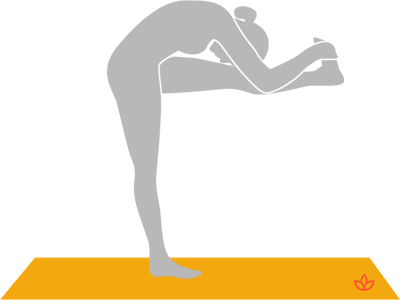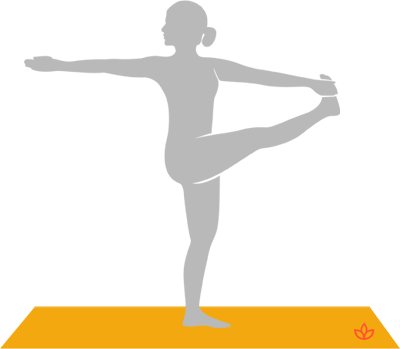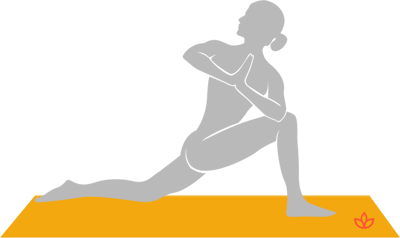
Pyramid Pose (Parsvottanasana)
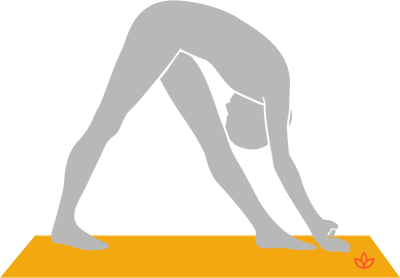
What is Pyramid Pose?
Known in Sanskrit as Parsvottanasana (PARSH-vote-TAH-NAH-sah-nah), Pyramid Pose is a powerful standing forward bend that deeply stretches the legs and spine while challenging your balance. The name Parsvottanasana comes from the Sanskrit words "parsva" (side or flank), "uttana" (intense stretch), and "asana" (pose), aptly describing the intense side stretch experienced in this posture. It's a foundational pose in many yoga styles, often practiced as part of a warm-up or as a preparation for deeper forward folds and inversions.
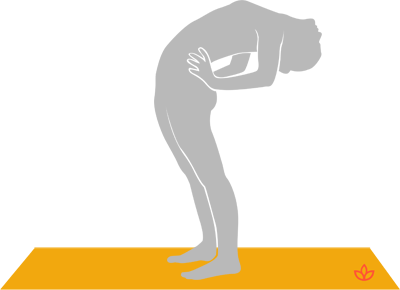
In this pose, practitioners stand with one foot a few feet behind the other, often with the hands pressed in reverse prayer behind the back, and fold forward over the front leg. This creates an intense stretch through the hamstrings and calves, while also lengthening the spine and stimulating the abdominal organs.
How to Practice Pyramid Pose
Follow these step-by-step instructions to safely and effectively practice Pyramid Pose:
- Begin in Mountain Pose (Tadasana) at the top of your mat, feet together, and hands by your sides.
- On an exhale, step your right foot 2 to 3 feet back. Adjust your stance so your front heel aligns with the arch of your back foot. Angle your back (right) toes about 40 to 60 degrees to the right, ensuring your hips are squared towards the front of your mat.
- Inhale and bring your palms together in reverse prayer behind your back, or if this is too challenging, hold opposite elbows. Broaden your collarbones.
- On an exhale, begin to fold forward from your hips, maintaining a long spine. Keep your front leg straight but not locked, with a micro-bend in the knee if needed.
- Draw your head towards your front shin, allowing the stretch to deepen into the hamstring and calf of your front leg. Keep your hips level and actively engage your quadriceps to protect your knee.
- Hold the pose for 5-10 breaths, focusing on smooth, even respiration. With each exhale, you might find a little more depth in your forward fold.
- To release, inhale and slowly rise back to a standing position, leading with your chest.
- Exhale and step your right foot forward to return to Mountain Pose.
- Change sides and repeat the process, stepping your left foot back.
For visual learners, many online resources offer a Pyramid Pose generator that can illustrate the alignment cues.
Benefits of Pyramid Pose
Pyramid Pose offers a wealth of physical and energetic benefits:
- Stretches and Lengthens: This pose provides an intense stretch for the hamstrings, calves, and hips, improving flexibility in the entire posterior chain of the legs.
- Spinal Elongation: The forward fold helps to lengthen and decompress the spine, relieving tension and promoting spinal health.
- Stimulates Abdominal Organs: The compression of the abdomen in the forward bend can stimulate digestive organs, aiding in improved digestion and metabolism.
- Enhances Balance and Posture: Practicing Parsvottanasana cultivates stability and balance, as you learn to ground through both feet while folding forward. It also strengthens the core and back muscles, contributing to better overall posture.
Cautions and Contraindications
While Pyramid Pose is highly beneficial, it's important to approach it with awareness and caution. Avoid or modify this pose if you have:
- High blood pressure
- Serious back injury (e.g., slipped disc, sciatica)
- Hamstring injury or tear
- Glaucoma
Individuals with tight hamstrings should bend their front knee slightly or use props like blocks under their hands to avoid overstretching. Always listen to your body and never force yourself deeper into a stretch than feels comfortable. Consult with a healthcare professional or experienced yoga instructor if you have any pre-existing conditions.
Pyramid Pose Details
| Detail | Description |
|---|---|
| Sanskrit Name | Parsvottanasana |
| Pronunciation | PARSH-vote-TAH-NAH-sah-nah |
| Pose Level | Intermediate |
| Drishti (Gaze Point) | Nasagre (Tip of the nose) |
| Pose Type | Balancing, Forward Bend, Standing Pose, Inversion |