One-Legged King Pigeon Pose B (Eka Pada Rajakapotasana B)
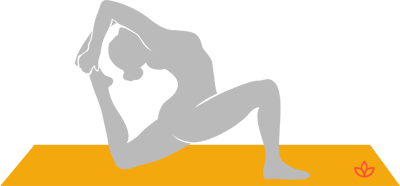
Known in Sanskrit as Eka Pada Rajakapotasana B, One-Legged King Pigeon Pose B is a profound backbend that beautifully combines lower body stability with an expansive opening of the chest and shoulders. The Sanskrit name breaks down as *Eka* (one), *Pada* (foot or leg), *Raja* (king), *Kapota* (pigeon), and *Asana* (pose), signifying its status as a regal and advanced variation of Pigeon Pose. This intermediate-level pose challenges both flexibility and balance, making it a rewarding peak pose for many practitioners.
How to Practice One-Legged King Pigeon Pose B
Begin your journey into One-Legged King Pigeon Pose B from Downward-Facing Dog Pose.
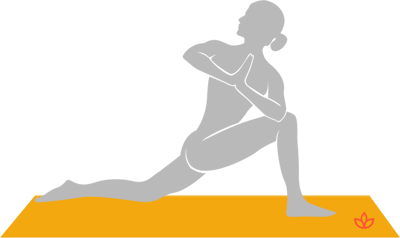
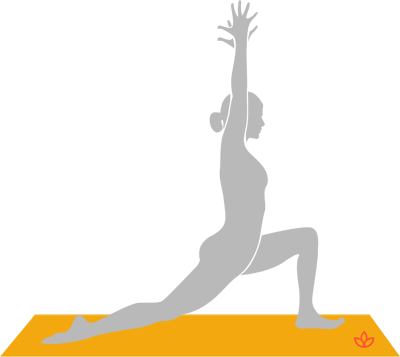
- On an exhale, step your right foot forward, placing it between your hands as if entering a low lunge. Gently lower your left knee to the floor, ensuring it tracks comfortably behind your left hip.
- Carefully slide your right foot forward, allowing your pelvis to descend closer to the mat. The outside of your right shin should ideally be parallel to the front edge of your mat, though some practitioners may find their foot closer to their groin, depending on hip flexibility.
- Inhale and sweep your right arm upwards toward the sky, then internally rotate the shoulder and lower your hand behind your back.
- Simultaneously, bend your left knee, lifting your left foot towards your glutes. Reach back with your right hand and grasp your left toes.
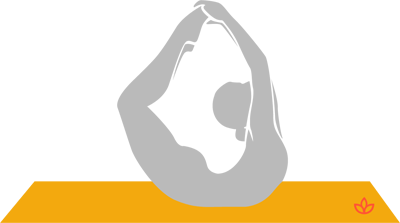
- On an inhale, reach your left arm up and back, aiming to grasp your left toes with both hands. This creates a deep backbend and significant shoulder opening. If reaching with both hands is not accessible, you can use a strap around your left foot to extend your reach, or simply hold with your right hand.
- Inhale deeply, expanding your chest upwards, and allow your gaze (drishti) to lift towards the sky. Maintain your balance and breathe steadily, allowing the pose to unfold.
- To release, exhale gently, carefully lowering your left foot and releasing your hands. Step back to Downward-Facing Dog Pose and repeat the sequence on the left side.
For those looking to explore variations or refine their understanding of this deep hip and chest opener, a high-quality yoga generator or pose generator can provide visual examples and alternative entry points. Many practitioners find these tools helpful for visualizing precise alignment.
Benefits of One-Legged King Pigeon Pose B
This regal pose offers a multitude of physical and energetic benefits:
- Opens the Chest and Hips: Eka Pada Rajakapotasana B is a powerful opener for the hip flexors, groin, and glutes, while simultaneously expanding the chest and front of the shoulders. This helps counteract the effects of prolonged sitting.
- Improves Spinal Flexibility: The deep backbend increases flexibility and mobility throughout the entire spine, promoting suppleness and a healthy range of motion.
- Stretches the Quadriceps: Holding the back foot stretches the quadriceps and psoas muscle of the extended leg, releasing tension in the front of the thigh.
- Improves Circulation: The pose encourages enhanced circulation to the abdominal organs, glands, and pelvic region, supporting overall internal well-being.
- Boosts Energy: As a backbend, this pose is inherently energizing, invigorating the body and mind and helping to alleviate fatigue.
Cautions and Contraindications
Due to its intensity, One-Legged King Pigeon Pose B should be approached with mindfulness. Avoid this pose if you have:
- Any existing back injury, especially in the lower back.
- Serious knee or ankle injuries.
- Severe tightness in the hips or shoulders, as forcing the pose can lead to injury.
- For those with less spinal flexibility, consider preparatory poses such as Camel Pose or Bow Pose to gradually warm up the spine.
Pose Details
| Sanskrit Name: | Eka Pada Rajakapotasana B |
| Pronunciation: | ek-ah PAH-dah RAHJ-ah-cop-oh-TAH-sah-nah |
| Pose Level: | Intermediate |
| Drishti (Gaze): | Urdhva (Toward the sky) |
| Pose Type: | Backbends, Balancing, Chest Openers, Hip Openers |
Utilizing an "Eka Pada Rajakapotasana B generator" or consulting with a qualified instructor can help ensure proper alignment and modifications for safe and effective practice.
`