Ustrasana (Camel Pose)
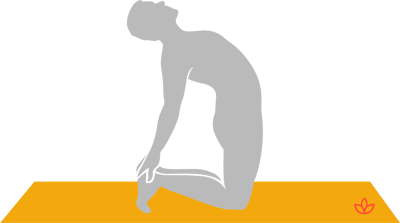
Ustrasana, commonly known as Camel Pose, is a foundational backbending asana that gracefully opens the chest and ignites the energetic heart center. The name Ustrasana comes from the Sanskrit words "Ustra" (उष्ट्र), meaning camel, and "Asana" (आसन), meaning pose or posture. This pose mimics the strong, arched back of a camel, symbolizing endurance and resilience. It is an excellent pose for beginners to explore the benefits of backbends, fostering flexibility and an uplifted spirit.
Incorporating Ustrasana into your practice can offer profound physical and energetic benefits. While it may seem intimidating to some, with proper alignment and mindful breathing, practitioners can safely and effectively deepen their backbend. If you're using a pose generator to find poses for heart opening, Ustrasana will often appear as a highly recommended option.
How to Practice Camel Pose (Ustrasana)
Follow these steps to safely and effectively practice Ustrasana:
- Starting Position: Begin in a kneeling position with your knees hip-width apart and your thighs perpendicular to the floor. For added stability and to protect your knees, you can place a folded blanket beneath them. Tuck your toes under to elevate your heels slightly; this can make reaching your heels easier, especially for beginners.
- Engage and Prepare: Place your hands on your lower back, fingers pointing downward, providing support and encouraging a lift through your chest. Draw your shoulder blades together and down your back, opening through the collarbones.
- Initiate the Backbend: On an exhale, begin to lean back, keeping your hips directly over your knees. Avoid letting your hips shift backward towards your heels. As you lean back, actively lift your chest towards the ceiling, lengthening the front of your torso.
- Reach for the Heels: One hand at a time, reach back to grasp your heels. If reaching your heels is challenging, you can keep your toes tucked under, use yoga blocks alongside your feet, or place your hands on your ankles.
- Deepen the Pose: Once your hands are comfortably on your heels, continue to press your hips forward and lift your chest. Allow your head to drop back gently, but only if there is no strain on your neck. Maintain an active lift through the sternum.
- Hold and Breathe: Breathe normally and deeply while holding the pose for 30 seconds to a minute. Focus on expanding your breath into your chest and abdomen.
- Coming Out: To release the pose, bring your hands back to your lower back for support, then slowly lift your torso upright, leading with your chest. Rest in Child's Pose for a few breaths to neutralize the spine.
A Camel Pose generator might suggest modifications, such as keeping hands on the lower back or using blocks, to make the pose accessible for all levels.
Benefits of Camel Pose
The practice of Ustrasana offers numerous physical and energetic benefits:
- Stretches the Entire Front Body: Ustrasana deeply stretches the quadriceps, abdomen, chest, and throat, revitalizing tissues and increasing flexibility in these areas.
- Strengthens the Back Muscles: This pose strengthens the back muscles, particularly the erector spinae, which support the spine and improve overall back health.
- Improves Spinal Flexibility: By arching the spine backward, Camel Pose enhances the flexibility of the vertebral column, counteracting stiffness from prolonged sitting.
- Opens the Chest and Shoulders: The expansive nature of the pose creates significant opening in the chest and shoulders, promoting better posture and deeper breathing. It acts as a powerful chest opener, which can alleviate hunching and slouched shoulders.
- Stimulates Abdominal Organs: The deep stretch in the abdomen stimulates the internal organs, which can aid in digestion and alleviate constipation.
- Relieves Mild Backache: Regular practice can help reduce mild backaches by strengthening the back and improving spinal alignment.
- Boosts Energy and Mood: As a significant heart opener, Ustrasana can be invigorating, helping to alleviate fatigue and mild depression by encouraging the free flow of prana (life force energy).
Cautions and Contraindications
While Camel Pose is highly beneficial, it is essential to approach it with awareness and caution. Avoid or modify Ustrasana if you experience any of the following:
- Recent or chronic back injury
- Severe neck pain or injury
- High or low blood pressure
- Migraine or headache
- Insomnia
- Serious heart conditions
- Pregnancy (modify with caution, or consult a doctor)
Always listen to your body and never force yourself into a position that causes pain. If you are unsure, consult a qualified yoga instructor or healthcare professional.
Camel Pose Details
| Detail | Description |
|---|---|
| Sanskrit Name | Ustrasana (उष्ट्रासन) |
| Pronunciation | oosh-TRAH-sah-nah |
| Meaning | Camel Pose (from "Ustra" meaning camel and "Asana" meaning pose) |
| Pose Level | Beginner |
| Drishti (Gaze) | Nasagre (Tip of the nose) |
| Pose Type | Backbend, Chest Opener, Kneeling Pose |
| Associated Chakra | Anahata Chakra (Heart Chakra) |