Hanumanasana (Monkey Pose)
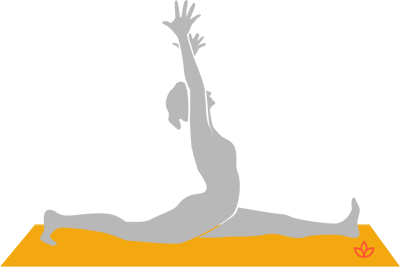
Hanumanasana, commonly known as Monkey Pose or the Yogic Splits, is an advanced seated posture that beautifully showcases and cultivates remarkable flexibility in the hamstrings, hip flexors, and groins. Named after Hanuman, the Hindu monkey god renowned for his great leap, this pose embodies strength, devotion, and expansive movement. It requires dedication and preparation, making it a pinnacle asana for many practitioners.
How to Practice Hanumanasana
Approaching Hanumanasana requires patience and a gradual opening of the lower body. Remember to listen to your body and never force the stretch.
- Begin in a kneeling position with your fingertips resting on the floor beside your knees for support. You might even consider placing yoga blocks under your hands for additional elevation and stability.
- As you exhale, slowly extend your left leg forward, straightening through the knee. Simultaneously, slide your right leg back, keeping the top of your right foot on the mat.
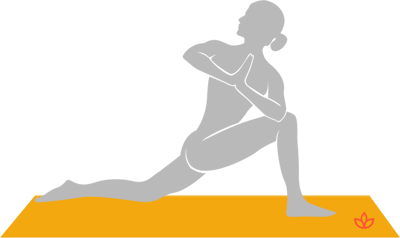
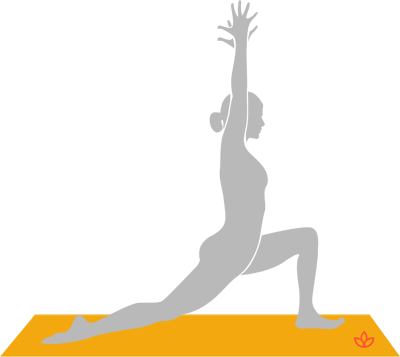
- Maintain steady support through your hands, using them to bear some of your weight as your legs begin to separate. Focus on keeping your hips square and your pelvis level. This can be one of the most challenging aspects of the pose, and a Half Splits Pose or Low Lunge Pose can be excellent preparatory stretches to explore this alignment.
- Continue to slide your legs apart until your front hamstring and back thigh are resting as close to the floor as comfortable. The goal is to bring the pelvis to the floor, but it's essential not to overstretch.
- Once stable in your full expression of the splits, inhale and gently lift your torso upright, extending your arms towards the sky. Keep your chest open and your gaze forward or to the tip of your nose (Nasagre Drishti).
- Hold the pose for several breaths, maintaining a steady, even breath. Breathe deeply to help release tension.
- To exit the pose, exhale and carefully return your hands to the floor, shifting your weight back. Gently bring your legs together to return to a kneeling position.
- Repeat on the opposite side, extending the right leg forward and the left leg back.
Practicing with a mindful approach and consistent effort will help you progress towards the full expression of Hanumanasana. For those looking for more guidance, many online resources function as a "yoga generator" or "pose generator" to help refine your technique and suggest sequences leading up to advanced poses like this.
Benefits of Monkey Pose
Beyond the impressive display of flexibility, Hanumanasana offers numerous physical and energetic benefits:
- Deep Hip and Leg Flexibility: Significantly stretches the hamstrings, hip flexors, groin, and quadriceps, promoting greater range of motion.
- Tones Legs: Engages and strengthens the muscles of the thighs and calves.
- Relieves Sciatica: The deep stretch can help alleviate discomfort associated with sciatica by releasing tightness in the surrounding muscles.
- Reduces Stress and Fatigue: As a deep hip opener, it can help release stored emotional tension, contributing to a sense of calm and well-being.
- Builds Balance and Alignment: Requires and enhances core stability and awareness of bodily alignment.
- Stimulates Abdominal Organs: The deep engagement of the core can gently massage and stimulate the abdominal organs.
Cautions and Contraindications
Due to the intense nature of this pose, it is crucial to approach it with caution. Avoid Hanumanasana if you have:
- Acute or chronic hip, hamstring, or groin injuries.
- Knee pain or instability.
- Recent abdominal surgery.
Always warm up thoroughly before attempting Hanumanasana, ideally with poses like Pyramid Pose or Lizard Pose, which prepare the hips and hamstrings.
Hanumanasana Details
| Sanskrit Name: | Hanumanasana |
| Pronunciation: | hah-noo-MAH-NAH-sah-nah |
| Meaning: | Hanuman refers to a powerful monkey deity from Hindu mythology; Asana means pose or posture. |
| Pose Level: | Advanced |
| Drishti: | Nasagre (Tip of the nose) |
| Pose Type: | Balancing, Chest Openers, Hip Openers, Seated Poses, Stretches |