High Lunge Pose (Utthita Ashwa Sanchalanasana)
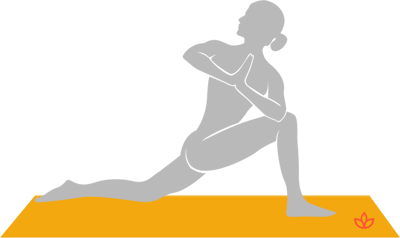
High Lunge Pose, known in Sanskrit as Utthita Ashwa Sanchalanasana (oo-tee-tah ah-shwah sahn-chahl-ah-NAH-sah-nah), translates to "Extended Equestrian Pose." It is a foundational standing posture that builds significant strength and stamina throughout the body. Often considered an accessible precursor to more challenging poses like Warrior One Pose, High Lunge elevates the back heel and keeps the arms parallel, offering a stable yet dynamic stretch and strengthening experience.
How to Practice High Lunge Pose
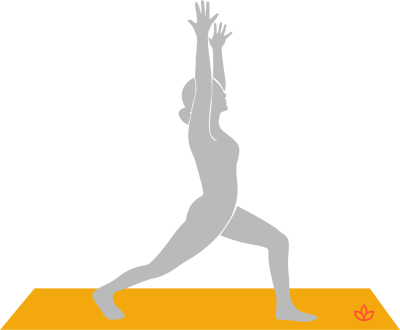
Follow these steps to safely and effectively practice Utthita Ashwa Sanchalanasana:
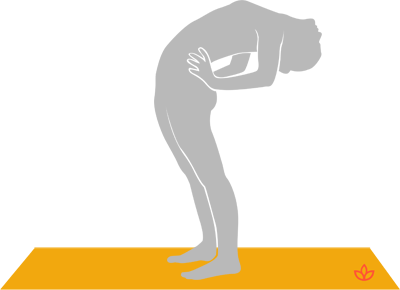
- Begin in Standing Forward Bend (Uttanasana) with your fingertips resting on the mat beside your feet.
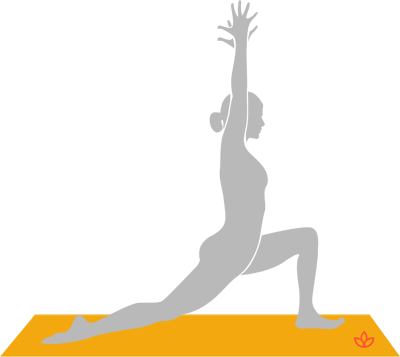
- Exhale and step your right foot far back, coming onto the ball of your right foot. Ensure your left knee is stacked directly over your left ankle, creating a 90-degree angle.
- Inhale and lift your torso upright, simultaneously sweeping your arms towards the sky. Your arms should be parallel, with palms facing each other or lightly touching if comfortable for your shoulders. Keep your shoulders relaxed and down away from your ears.
- Engage your core to maintain a neutral spine, and gently draw your tailbone down. Lengthen through the crown of your head, maintaining a vertical alignment of the torso over the hips.
- Hold the pose for several breaths, focusing your gaze (drishti) towards the tip of your nose (nasagre) to cultivate concentration.
- To exit the pose, exhale as you return your hands to the floor and step your right foot forward, returning to Standing Forward Bend.
- Repeat the sequence on the other side, stepping your left foot back.
If you're exploring variations or want to visualize the alignment, a High Lunge Pose generator can be a helpful tool in understanding the proper form and ensuring safe practice.
Benefits of High Lunge Pose
High Lunge Pose offers a wide array of physical and energetic benefits:
- Strengthens Legs and Arms: This posture intensely works the quadriceps, hamstrings, and glutes in the front leg, while engaging the calf muscles in the back leg. The upward reach of the arms also strengthens the shoulders and upper back.
- Opens Hips: The lunge position creates an opening in the hip flexors of the back leg, promoting flexibility and releasing tension in this often-tight area.
- Builds Stamina and Endurance: Holding the pose for several breaths challenges your cardiovascular system and builds mental fortitude, significantly boosting overall stamina.
- Improves Digestion: The gentle compression and stretching in the abdominal region can stimulate internal organs, aiding in the relief of constipation and indigestion.
- Enhances Balance and Core Stability: Maintaining equilibrium in this dynamic standing pose engages deep core muscles, improving balance and overall stability.
Cautions and Contraindications
While High Lunge is generally accessible, certain conditions warrant caution or modification:
- Knee Injury: Individuals with existing knee injuries should approach this pose with extreme care. Ensure the front knee is directly over the ankle and never extend beyond it. You may place a blanket under the back knee for support if practicing a variation.
- Hip Injury: If you have a hip injury, modify the depth of your lunge or avoid the pose entirely until cleared by a healthcare professional.
- Low Blood Pressure: Moving too quickly into or out of the pose can cause dizziness. Practice with slow, controlled movements.
High Lunge Pose Details
| Sanskrit Name: | Utthita Ashwa Sanchalanasana |
| Pronunciation: | oo-tee-tah ah-shwah sahn-chahl-ah-NAH-sah-nah |
| English Translation: | Extended Equestrian Pose |
| Pose Level: | Beginner |
| Drishti (Gaze): | Nasagre (Tip of the nose) |
| Pose Type: | Chest Opener, Hip Opener, Standing Pose, Strength Builder |
Whether you're using a yoga generator to visualize flows or a pose generator to refine individual postures, High Lunge Pose is a fundamental and beneficial addition to any yoga practice.