Chatushpadasana (Four-Footed Pose)
Chatushpadasana, pronounced chah-toosh-pah-DAH-sah-nah, translates from Sanskrit as "Four-Footed Pose" (Chatush meaning "four," Pada meaning "foot," and Asana meaning "pose"). This foundational backbend is an excellent variation of Bridge Pose, offering a unique grounding sensation and a deeper opening for the chest and shoulders. It is frequently employed as a preparatory posture for more advanced inversions like Shoulder Stand Pose, providing all the physical benefits of a backbend while simultaneously promoting mental tranquility.
For those seeking to explore specific backbend variations or develop a sequence that includes poses like Chatushpadasana, a yoga generator can be an invaluable tool for discovering complementary postures and modifications. Likewise, if you're looking for new ways to engage with familiar shapes, a pose generator or specifically a Chatushpadasana generator can inspire your practice.
How to Practice Chatushpadasana
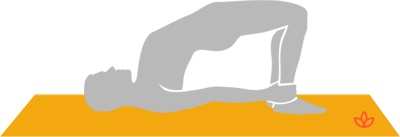
Follow these steps to safely and effectively practice Four-Footed Pose:
- Begin by lying comfortably on your back on your mat, ideally with a blanket under your shoulders for neck support.
- Bend your knees and place your feet flat on the floor, hip-distance apart, with your heels as close to your buttocks as possible.
- Reach your hands back and grasp the outsides of your ankles. If grasping the ankles is not accessible, you can keep your arms extended alongside your body, palms down, similar to traditional Bridge Pose.
- On an inhalation, press down through your heels and lift your hips towards the ceiling, engaging your glutes and hamstrings. Keep your knees from splaying outwards.
- Breathe deeply and evenly while holding the pose, maintaining a gentle lift through the hips and a broad opening across the chest.
- To release, exhale slowly and lower your hips back to the mat with control.
Benefits of Four-Footed Pose
Chatushpadasana offers a multitude of physical and mental advantages:
- Spinal Flexibility: This gentle backbend helps to increase the flexibility of the spine, promoting a healthy range of motion.
- Strengthens Legs and Buttocks: Actively engaging the glutes and hamstrings strengthens the muscles of the legs and buttocks.
- Opens the Chest and Lungs: The elevated chest position creates space in the front of the torso, facilitating deeper breathing and improving lung capacity.
- Steadies the Flow of Thoughts: The grounding nature of the pose, combined with conscious breathing, can help to calm mental chatter.
- Calms the Mind: Through its soothing effect, Chatushpadasana can alleviate stress and anxiety, fostering a sense of peace.
Cautions and Contraindications
While Chatushpadasana is generally safe for beginners, it is important to be mindful of certain conditions:
- Back or Neck Injury: Individuals with existing back or neck injuries should avoid this pose or practice with extreme caution under the guidance of an experienced instructor.
- Head Movement: Never turn your head to either side while in the pose, as this can place undue strain on the cervical spine. Keep your gaze (Drishti) directed towards the tip of your nose.
Chatushpadasana Details
| Sanskrit Name: | Chatushpadasana |
| Pronunciation: | chah-toosh-pah-DAH-sah-nah |
| Pose Level: | Beginner |
| Drishti (Gaze): | Nasagre (Tip of the nose) |
| Pose Type: | Backbends, Chest Openers, Strength |