Shoulder Stand Pose (Salamba Sarvangasana)
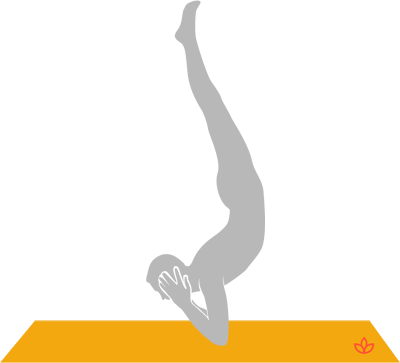
Known in Sanskrit as *Salamba Sarvangasana*, the Shoulder Stand Pose is often referred to as the "Queen of Asanas" due to its profound benefits. The Sanskrit term "Sarvangasana" translates to "all-limb pose," with "Sarva" meaning "all," "Anga" meaning "limb" or "body part," and "Asana" meaning "posture." "Salamba" means "supported," indicating the hands supporting the back in this inversion. This inverted posture gracefully balances the body's weight on the shoulders, while the legs extend skyward, creating a revitalizing experience for both body and mind.
For those looking to explore a variety of inversions or perhaps trying to visualize different yoga sequences, a pose generator can be a remarkably useful tool. You might even use a Shoulder Stand Pose generator to see variations or preparatory steps.
How to Practice Shoulder Stand Pose
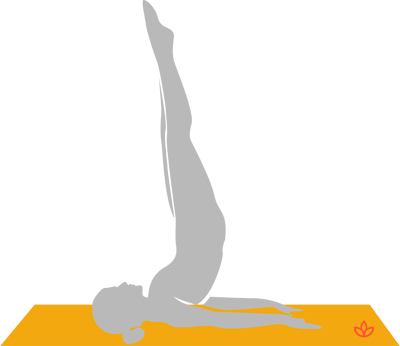
Here’s a step-by-step guide to entering Salamba Sarvangasana safely and effectively:
- Begin by lying flat on your back, with your arms resting alongside your body, palms down.
- Inhale deeply and, with control, lift your feet, hips, and lower back off the floor. You can use your abdominal muscles to initiate the lift.
- Once your hips are off the ground, bend your elbows and bring your hands to support your lower back. Your fingers should point towards your spine, and your thumbs should wrap around the outer hips.
- Actively draw your elbows closer together to create a stable base, aligning them roughly shoulder-width apart.
- Walk your hands further up your back towards your shoulder blades, progressively lifting your torso higher and straightening your spine.
- Carefully extend your legs upwards, reaching your feet towards the ceiling. Keep your legs active and engaged, but allow your feet to be relaxed.
- Your body should form a relatively straight line from your shoulders to your heels. Avoid turning your head from side to side to protect your neck.
- Maintain slow, steady breathing throughout the pose.
- To release, exhale slowly, bring your knees towards your forehead, and gently roll your spine back down to the mat, vertebra by vertebra. End in Corpse Pose (Savasana) for a few minutes.
Benefits of Shoulder Stand Pose
Salamba Sarvangasana offers a multitude of physical and mental benefits:
- Enhanced Circulation: As an inversion, this pose reverses the flow of blood, delivering a fresh supply to the brain, which can help to invigorate the mind and improve cognitive function. This inversion can also aid venous return from the legs.
- Thyroid Stimulation: The chin-to-chest lock (Jalandhara Bandha) created in Shoulder Stand gently compresses the thyroid and parathyroid glands. This compression and subsequent release are believed to stimulate these glands, which play a crucial role in metabolism and hormone regulation.
- Mental Relaxation: The inversion and the quietude required to balance in the pose can have a profound calming effect on the nervous system, helping to alleviate stress, anxiety, and mild depression.
- Strengthens Core and Back: While supported, maintaining the straight line of the body engages the core muscles and strengthens the back, improving overall posture.
Cautions and Contraindications
While highly beneficial, Shoulder Stand Pose is an intermediate inversion and should be approached with caution. Avoid this pose if you have:
- Any recent or chronic neck injury.
- An enlarged thyroid gland or hyperthyroidism.
- Acute back pain or a back injury.
- High blood pressure (hypertension).
- Glaucoma or other eye conditions.
- Menstruation (some traditions advise against inversions during this time).
- Pregnancy (especially after the first trimester).
If you are new to inversions, it is highly recommended to practice under the guidance of a qualified yoga instructor. Beginners should focus on building core strength and can use props like folded blankets under the shoulders to protect the neck, or explore alternatives like Legs-Up-the-Wall Pose (Viparita Karani).
Shoulder Stand Pose Details
| Sanskrit Name: | Salamba Sarvangasana |
| Pronunciation: | sah-LAHM-bah sar-vahn-GAH-sah-nah |
| Pose Level: | Intermediate |
| Drishti (Gazing Point): | Nabhichakra (Navel) |
| Pose Type: | Inversion |