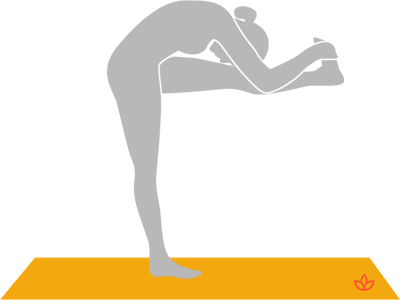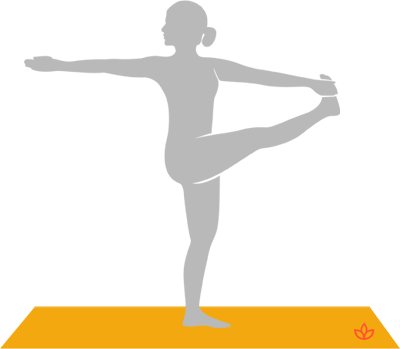
Big Toe Pose (Padangusthasana)
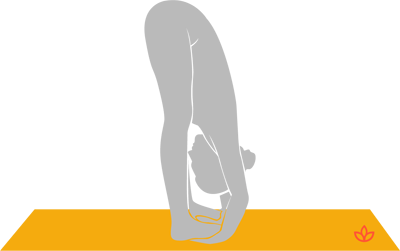
Big Toe Pose, known in Sanskrit as Padangusthasana (PAH-DAHN-goos-TAH-sah-nah), is a fundamental standing forward fold that offers a deep stretch for the entire back body. The name itself is derived from Sanskrit: "Pada" meaning "foot," "Angustha" meaning "big toe," and "Asana" meaning "posture" or "seat." This pose is a classic inversion, gently encouraging blood flow to the brain and calming the nervous system. It's often included in sequences as a way to lengthen the hamstrings and spine before more complex postures.
How to Practice Big Toe Pose
Follow these instructions to safely and effectively practice Padangusthasana:
- Begin in Mountain Pose (Tadasana) with your feet parallel and hip-distance apart. Engage your thigh muscles to lift your kneecaps.
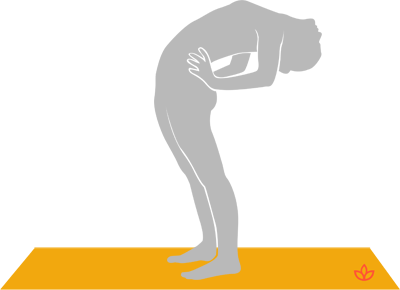
- Exhale and hinge forward from your hips, maintaining a long spine. Allow your torso to fold towards your legs.
- Once you've folded as far as comfortable, reach down and grasp your big toes with your index and middle fingers, securing the grip with your thumbs.
- On an inhalation, lift your chest slightly and lengthen your spine. On the next exhalation, deepen the forward fold, drawing your head closer to your knees. Keep your legs straight, but avoid hyperextending your knees.
- Maintain conscious breathing throughout the pose. With each exhalation, visualize releasing tension and inviting a deeper stretch.
- To exit the pose, inhale and lift your torso halfway, then release your toe grasp. On an exhalation, return to standing with a long spine.
If you're looking for variations or similar stretches, consider a Ragdoll Pose for a more relaxed forward bend, or explore a Standing Head to Knee Pose for a deeper hamstring stretch.
Benefits of Big Toe Pose
Padangusthasana offers a wealth of physical and mental benefits:
- Deep Hamstring and Calf Stretch: This pose effectively lengthens the muscles along the back of the legs, improving flexibility and range of motion.
- Spinal Lengthening: The forward fold helps to decompress and stretch the entire length of the spine, relieving tension and promoting better posture.
- Stimulates Digestion: The gentle compression of the abdomen can stimulate digestive organs, aiding in healthy digestion and detoxification.
- Activates Liver and Spleen: Traditional yoga philosophy suggests this pose can stimulate and balance these vital organs.
- Relieves Headaches: By increasing blood flow to the head and calming the nervous system, it can help alleviate mild headaches.
- Calms the Mind: As an inversion and a forward fold, Padangusthasana encourages introspection and can help reduce stress and anxiety, promoting mental tranquility.
Cautions and Contraindications
While Big Toe Pose is beneficial, it's important to practice with awareness, especially if you have certain conditions:
- Back Pain: If you experience lower back pain, bend your knees generously to release pressure on the hamstrings and spine, allowing your torso to rest on your thighs.
- Hamstring Injuries: Individuals with hamstring issues should approach this pose with extreme caution, bending the knees significantly or avoiding the full pose. Utilize a yoga prop generator to find suitable modifications if needed.
- Sciatica: If you have sciatica, bend your knees and maintain a flat back to avoid exacerbating the condition.
- Hypertension or Glaucoma: People with high blood pressure or glaucoma should practice inversions cautiously or seek guidance from a qualified yoga instructor.
Big Toe Pose Details
| Sanskrit Name: | Padangusthasana |
| Pronunciation: | PAH-DAHN-goos-TAH-sah-nah |
| Pose Level: | Beginner |
| Drishti (Gaze): | Nasagre (Tip of the nose) |
| Pose Type: | Forward Bends, Standing Poses, Inversion |