Ragdoll Pose (Ardha Uttanasana)
The Ragdoll Pose is a calming and grounding variation of the classic standing forward bend, offering a gentle release for the back, neck, and mind. Often practiced as a transitional or restorative posture, it encourages surrender and introspection.
This pose can be an excellent addition to your practice, whether you're using a yoga generator for a new sequence or simply seeking a moment of peace.
What is Ragdoll Pose?
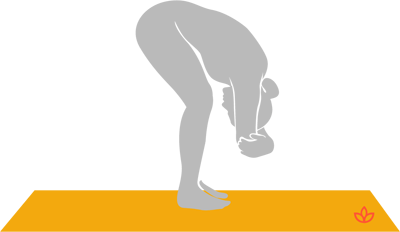
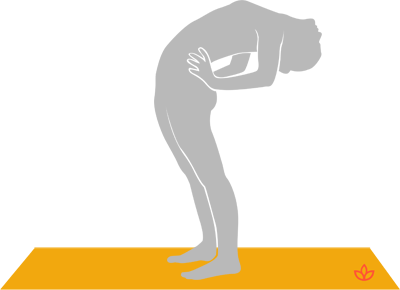
Ragdoll Pose is a variation of Uttanasana (Standing Forward Bend). In this accessible inversion, practitioners clasp opposite elbows, gently bend their knees, and allow the head and torso to hang heavy towards the earth. The name "Ragdoll" perfectly encapsulates the feeling of release and relaxation this pose provides, mimicking a soft, floppy doll.
While Uttanasana generally focuses on lengthening the hamstrings, Ragdoll Pose prioritizes decompression of the lower back and a soothing stretch for the neck and shoulders, making it a favorite for relieving tension and revitalizing the mind.
How to Practice Ragdoll Pose
Follow these steps to safely and effectively practice Ragdoll Pose:
- Begin by standing at the top of your mat with your feet hip-distance apart.
- Ground down through your feet, feeling all four corners.
- Inhale deeply, and as you exhale, engage your core and hinge at your hips, folding forward. Keep a slight bend in your knees (or a generous bend if your hamstrings feel tight) throughout the pose.
- Allow your torso to drape heavily over your thighs.
- Once folded, clasp your left hand to your right elbow and your right hand to your left elbow. Let your head hang completely, releasing any tension in your neck.
- Shift your body weight slightly forward into the balls of your feet, without lifting your heels, to deepen the stretch safely.
- Breathe deeply and consciously while holding the pose. You may choose to remain still or gently sway your upper body from side to side like a ragdoll.
- To come out of the pose, release your elbow clasp, place your hands on your shins or the floor, and with a soft bend in your knees, inhale slowly and roll up to a standing position, head coming up last.
You can experiment with this pose in different parts of your practice; try incorporating it as a restful pause during a flow generated by a pose generator.
Benefits of Ragdoll Pose
Ragdoll Pose offers a myriad of physical and mental benefits, making it a valuable addition to any yoga practice:
- Releases Tension: Effectively relieves tension in the lower back, neck, and shoulders, areas prone to stiffness from daily activities.
- Calms the Nervous System: As a mild inversion, it helps to calm the nervous system, reducing stress and anxiety.
- Lengthens the Spine: The forward fold gently lengthens the entire spine, creating space between the vertebrae.
- Improves Circulation: Inversions encourage blood flow to the brain, which can help to revitalize the mind and improve focus.
- Drains Sinuses: The inverted position may assist in draining the sinuses, offering relief during allergy season or colds.
- Aids Digestion: Gentle compression of the abdomen can stimulate digestive organs.
Cautions and Contraindications
While Ragdoll Pose is generally safe and accessible, certain conditions require caution or avoidance:
- Back Injury: Individuals with severe back injuries, such as disc herniations, should approach this pose with extreme caution or avoid it entirely.
- Neck Injury: If you have a neck injury or chronic neck pain, avoid letting your head hang completely. Instead, support your head with your hands or keep your neck in a more neutral position.
- High Blood Pressure/Glaucoma: People with uncontrolled high blood pressure or glaucoma should practice inversions cautiously or consult with a healthcare provider first.
Always listen to your body and prioritize comfort over depth in the pose. If you experience any sharp pain, gently come out of the pose.
Ragdoll Pose Details
| Sanskrit Name: | Ardha Uttanasana (अर्ध उत्तानासन) – Half Intense Stretch Pose |
| Pronunciation: | ard-hah oot-TAH-NAH-sah-nah |
| Pose Level: | Beginner |
| Drishti (Gaze Point): | Bhrumadhye (Third Eye) or towards the nose tip |
| Pose Type: | Balancing, Forward Bends, Inversions, Standing Poses |