Balancing Stick Pose (Virabhadrasana III)
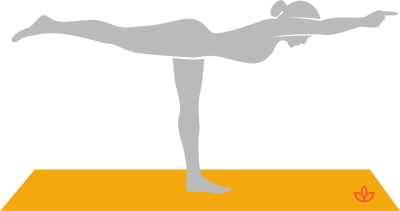
Balancing Stick Pose, known in Sanskrit as Virabhadrasana III, is a powerful standing balance posture that embodies the strength and focus of the mythical warrior, Virabhadra. This intermediate-level pose challenges your stability, cultivates unwavering concentration, and engages the entire body. It is a fantastic pose for building core strength, enhancing balance, and improving mental clarity. Often flowing from dynamic sequences like Warrior I or foundational poses like Mountain Pose (Tadasana), Balancing Stick Pose requires you to balance on one leg while extending the torso, arms, and lifted leg parallel to the floor, creating a strong, T-shaped line.
How to Practice Balancing Stick Pose
To effectively practice Balancing Stick Pose, follow these detailed instructions. Remember to move with your breath and honor your body's current capabilities. If you're using a yoga generator or pose generator for sequence ideas, you'll find Virabhadrasana III often included in sequences focusing on strength and balance.
- Begin in Tadasana (Mountain Pose) at the top of your mat, feet together and arms extended overhead.
- Interlace your fingers, pointing your index fingers upwards (Jnana Mudra), or keep your palms together.
- Take a deep inhale, lengthening your spine.
- As you exhale, slowly hinge forward from your hips, simultaneously lifting your right leg straight back behind you.
- Continue to lower your torso and raise your right leg until both are parallel to the floor, forming a straight line from your fingertips to your right heel. Your hips should remain level, and your standing leg strong but not locked.
- Keep your gaze (drishti) focused downward or slightly forward on a steady point (Hastagrahe, the tip of the hand if arms are extended forward) to aid in balance.
- Breathe deeply and smoothly as you hold the pose, engaging your core and outer hip of the standing leg for stability.
- To release, inhale and slowly return to standing, bringing your right foot back to meet your left.
- Shake out your legs if needed, then repeat the pose on the other side, lifting your left leg.
Benefits of Balancing Stick Pose
Balancing Stick Pose is a comprehensive posture that offers a multitude of physical and mental benefits:
- Improves Flexibility: Stretches and lengthens the hamstrings of the standing leg, as well as opening the hips and shoulders.
- Increases Strength: Significantly strengthens the core, legs (especially the quadriceps and glutes of the standing leg), back, shoulders, and arms.
- Opens the Chest and Lungs: The extended arm position helps to broaden the chest, promoting deeper breathing and improved lung capacity.
- Stimulates Abdominal Organs: The slight compression and engagement of the abdominal muscles can help to stimulate digestive and other internal organs.
- Reduces Anxiety: The intense focus required to maintain balance acts as a moving meditation, helping to quiet the mind and alleviate anxiety.
- Improves Focus and Memory: Concentrating on a single point of gaze (drishti) and maintaining stability hones mental focus and can enhance cognitive functions.
Cautions and Contraindications
While Balancing Stick Pose is highly beneficial, certain considerations should be kept in mind:
- Beginners: If you are new to the pose, you can extend your arms out to the sides like airplane wings or keep them alongside your body for easier balance. You may also keep a slight bend in the standing knee.
- Knee or Ankle Injuries: Individuals with recent or chronic injuries to the knees or ankles should approach this pose with extreme caution or avoid it entirely.
- Lower Back Issues: If you experience lower back pain, ensure your core is strongly engaged and that you are not arching your back excessively. Consider a smaller range of motion.
- High Blood Pressure: Those with high blood pressure should be mindful of extending the arms overhead, as it can sometimes increase blood pressure.
Balancing Stick Pose Details
Here are the key details for Balancing Stick Pose, useful for any aspiring Balancing Stick Pose generator:
| Detail | Description |
|---|---|
| Sanskrit Name: | Virabhadrasana III (वीरभद्रासन ३) |
| Pronunciation: | VEER-ah-bhah-DRAH-sah-nah three |
| Sanskrit Meaning: | "Virabhadra" refers to a mythical warrior, an incarnation of Shiva. The pose embodies the strength and grounded nature of this warrior. "Asana" means pose or posture. |
| Pose Level: | Intermediate |
| Drishti (Gaze): | Hastagrahe (Tip of the hand, if arms are forward) or downward/slightly ahead |
| Pose Type: | Balancing, Core, Standing, Strength |
Practicing Virabhadrasana III regularly will not only build physical prowess but also enhance mental fortitude, bringing a sense of calm and focused determination to your practice and daily life.