Baby Grasshopper Pose (Parsva Bhuja Dandasana)
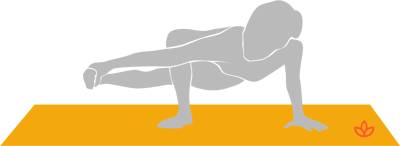
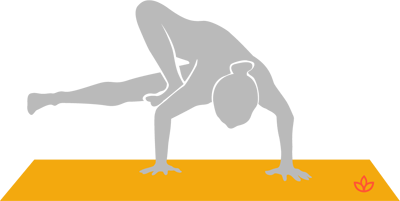
The Baby Grasshopper Pose, or *Parsva Bhuja Dandasana* (PARSH-vah bhoo-jah dahn-DAH-sah-nah), is an exciting arm balance that serves as a stepping stone to the more advanced Dragonfly Pose (also known as full Grasshopper Pose). In Sanskrit, "Parsva" means "side" or "flank," "Bhuja" means "arm," and "Dandasana" means "staff pose." This modified version allows practitioners to build the necessary strength, balance, and confidence by keeping one foot on the floor for stability while exploring the arm balance. It’s an ideal pose for those ranging from beginner to intermediate levels looking to deepen their practice with arm balances and hip openers.
How to Practice Baby Grasshopper Pose
Follow these steps to safely and effectively enter Baby Grasshopper Pose. Remember to move with your breath and listen to your body.
- Begin seated in Staff Pose (Dandasana) with your legs extended in front of you.
- Place your left hand on the floor behind your left hip, fingers pointing away from your body.
- Bend your right leg, placing your right foot on the floor outside of your left thigh. Your toes should point towards the left.
- Reach your right arm in front of your right shin and firmly grasp the outer edge of your left foot.
- Shift your body weight into your left hand and right foot, preparing to lift.
- Inhale deeply as you begin to lift your hips and your left leg off the floor, shifting your weight forward into your left hand. Your left leg will extend out to the side.
- Find your balance and hold the pose, breathing steadily.
- To release, exhale slowly, lowering your hips and left leg back to the floor.
- Return to Staff Pose and repeat on the other side. Consider using a pose generator to visualize the alignment.
Benefits of Baby Grasshopper Pose
Baby Grasshopper Pose offers a multitude of physical and mental benefits:
- Opens the Hips: This pose provides a deep external rotation in the hip joint, increasing flexibility and range of motion in the hips.
- Builds Core Strength: Engaging the abdominal muscles is crucial for lifting and stabilizing the body, leading to a stronger core.
- Strengthens Legs, Arms, and Shoulders: The entire body contributes to holding this arm balance, specifically strengthening the quadriceps, hamstrings, biceps, triceps, and deltoids. If you are looking for other poses for strengthening, a yoga generator can help you find variations.
- Increases Self-Confidence: Successfully balancing in this challenging pose can be incredibly empowering, boosting mental fortitude and self-belief.
- Improves Sense of Balance: Regular practice hones proprioception and overall stability, enhancing your sense of balance both on and off the mat.
Cautions and Contraindications
While Baby Grasshopper Pose is beneficial, it is important to practice mindfully and avoid the pose if you have:
- Any existing shoulder or hip injury.
- Wrist issues or carpal tunnel syndrome.
- Pregnancy.
Always respect your body's limits. If you're unsure, consult with a qualified yoga instructor or healthcare professional before attempting this pose.
Baby Grasshopper Pose Details
| Sanskrit Name: | Parsva Bhuja Dandasana |
| Pronunciation: | PARSH-vah bhoo-jah dahn-DAH-sah-nah |
| Pose Level: | Intermediate |
| Drishti: | Nasagre (Tip of the nose) |
| Pose Type: | Arm Balance, Balancing, Core, Hip Opener, Strength |