Wild Thing Pose (Camatkarasana)
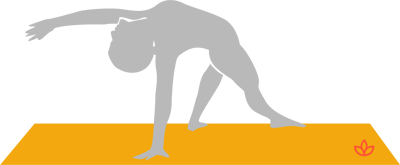
Wild Thing Pose, known in Sanskrit as Camatkarasana (pronounced cah-maht-kar-AH-sah-nah), is a dynamic and exhilarating backbend that combines strength, balance, and an expansive heart-opening sensation. This relatively modern yoga posture is a common and beloved feature in many Vinyasa flow classes, inviting practitioners to find freedom and joy in their movement.
The name Camatkarasana can be broken down to understand its essence:
- Camatkara (चमत्कार): Means "miraculous," "surprisingly wonderful," or "revelation."
- Asana (आसन): Means "pose" or "posture."
Thus, Wild Thing Pose can be understood as a "miraculous pose" or "pose of a surprising revelation," perfectly capturing the feeling of liberation and openness it evokes.
If you're looking to challenge your limits and explore new dimensions in your practice, utilizing a yoga generator or a specific wild thing pose generator can help you integrate this invigorating posture into your routine.
How to Practice Wild Thing Pose
Wild Thing Pose is typically entered from Downward-Facing Dog Pose. Follow these steps to move into Camatkarasana:
- Begin in Downward-Facing Dog Pose, hands and feet firmly planted, hips lifted high.
- Inhale deeply and lift your right leg towards the sky, coming into a three-legged dog. Keep your hips relatively square.
- As you exhale, bend your right knee and begin to open your hip, allowing your right foot to reach up and over towards the left side of your mat, behind your left leg.
- Continue to shift your weight onto your left hand and the ball of your right foot. The sole of your right foot should ideally come to rest flat on the floor, or as close as possible.
- Simultaneously, lift your right hand off the floor and reach it up and over your head, extending through your fingertips.
- Arch your back gently, opening your chest towards the sky. Your gaze (Drishti) can be directed upwards or towards your extended hand.
- Breathe deeply and evenly, allowing your body to expand and your heart to open.
- To exit the pose, mindfully reverse the movements, returning to three-legged dog and then to Downward-Facing Dog. Repeat on the other side.
Benefits of Wild Thing Pose
Wild Thing Pose offers a multitude of physical and mental advantages:
- Improves Balance: This pose demands significant stability, strengthening the ankles, legs, and core.
- Opens the Chest and Shoulders: It deeply stretches the chest muscles (pectorals) and expands the rib cage, promoting better posture and breathing.
- Strengthens the Core and Back: Engaging the abdominal and back muscles helps support the expansive arch.
- Relieves Fatigue: The invigorating nature of this backbend can help to counter lethargy and boost energy.
- Enhances Mental Clarity: The combination of physical challenge and heart-opening often leads to a sense of empowerment and focus, clearing the mind.
- Stretches Hip Flexors and Groin: The extended leg and open hip create a beneficial stretch in these areas.
Cautions and Contraindications
While generally safe, it's important to approach Wild Thing Pose with awareness:
- Avoid this pose if you have any existing wrist or shoulder injuries, as it places significant weight and pressure on these joints.
- Individuals with neck pain should consult a professional and consider keeping their gaze neutral rather than dropping their head back.
- Those with lower back issues should proceed with caution and only practice a gentle version, focusing on core engagement rather than a deep backbend. Consider practicing Cobra Pose as a less intense backbending alternative.
Wild Thing Pose Details
| Detail | Description |
|---|---|
| Sanskrit Name | Camatkarasana |
| Pronunciation | cah-maht-kar-AH-sah-nah |
| Pose Level | Intermediate |
| Drishti (Gaze) | Urdhva (Toward the sky) |
| Pose Type | Backbends, Balancing, Chest Openers, Strength |
Integrating poses like Wild Thing into your regular Vinyasa Flow Yoga practice can bring a remarkable sense of joy and vitality. Consider using an online pose generator to help you create sequences that build up to this empowering posture.