Tortoise Pose (Kurmasana)
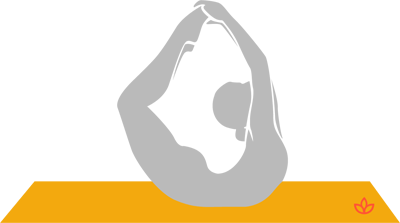
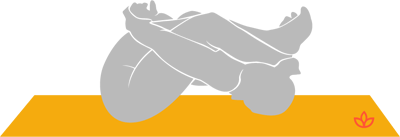 The Tortoise Pose, known in Sanskrit as Kurmasana (pronounced KOOR-MAH-sah-nah), is a deeply challenging and spiritually significant yoga asana. The name *Kurmasana* is derived from "Kurma," meaning "tortoise," and "Asana," meaning "pose." This advanced forward fold and bind mimics the shape of a tortoise retreating into its shell, symbolizing withdrawal of the senses and turning inward. B.K.S. Iyengar notes in *Light on Yoga* that "this pose is sacred to a yogi" due to its profound capacity to calm the mind and release negative emotions. It is a powerful pose for those seeking deep introspection and mental tranquility.
How to Practice Tortoise Pose
Due to its advanced nature, it is crucial to approach Kurmasana with a well-warmed body and an understanding of its intricate binding action. It demands significant flexibility in the hamstrings, hips, and spine.
Here are the instructions to guide you:
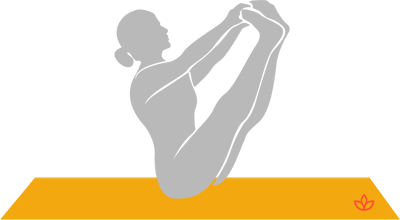
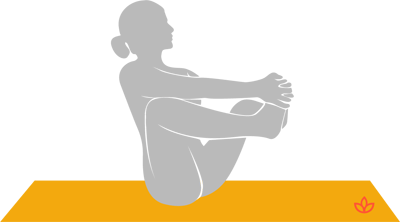
- Begin seated on your mat with your legs extended wide in a V-shape, similar to the starting position for a wide-legged forward bend. Ensure your sitting bones are firmly grounded.
- As you exhale, begin to fold forward from your hips, maintaining a long spine.
- One arm at a time, thread your upper arms underneath your thighs, moving them as far back as possible. Aim to bring your shoulders towards or even beyond your knees.
- Lower your head and chest towards the floor, engaging your core to protect your lower back.
- Take a few breaths here, allowing your body to soften and deepen the stretch.
- Gently bend your knees slightly, creating space to maneuver.
- Lift your chest just enough to allow your hands to come together behind your back. Interlace your fingers or grasp opposite wrists, depending on your flexibility. This is the "bind" aspect of the pose.
- While maintaining the bind, begin to straighten your legs if possible, pressing the backs of your knees towards the floor.
- Scoot or walk your feet closer towards your head. Once they are sufficiently close, cross one ankle over the other.
- On an exhale, allow your head to gently drop further, aiming to rest your forehead or even the crown of your head between your crossed feet.
- Breathe deeply and evenly while holding the pose, focusing on the release and internal stillness.
- To release, exhale carefully, uncross your feet, unbind your hands, and slowly come back to a seated position. Many practitioners find a Reclining Bound Angle Pose or similar gentle counter pose beneficial after Kurmasana.
If you're looking for modifications or explorations of similar deep hip openers, you can use our pose generator to find variations.
Benefits of Tortoise Pose
Practicing Kurmasana offers a wide array of physical and mental benefits:
- Improves Flexibility: Significantly increases flexibility in the hamstrings, hips, and groins.
- Increases Spinal Elasticity: The deep forward fold elongates and stretches the entire length of the spine, promoting fluidity.
- Activates Digestion: The compression of the abdominal organs can stimulate digestive function.
- Soothes the Nerves: The introspective nature of the pose, combined with the forward fold, helps to calm the nervous system.
- Refreshes the Mind: By turning inward and reducing external stimuli, the pose helps to quiet mental chatter.
- Releases Fear and Anger: Advanced forward bends are often associated with releasing deeper emotional blockages, fostering calmness and emotional stability.
Cautions and Contraindications
Kurmasana is an advanced pose and should be approached with caution, especially if you are new to deep forward folds or binds. Avoid practicing this pose if you have:
- Any existing neck or back injury, particularly disc issues or sciatica.
- Severe hamstring or hip injuries.
- High or low blood pressure.
- Glaucoma.
Always listen to your body and never force yourself into the final expression of the pose. If you're unsure about attempting Kurmasana, consult with a qualified yoga instructor or healthcare professional. Our yoga generator can help you find preparatory poses to build strength and flexibility for such challenging asanas.
Tortoise Pose Details
Here's a quick reference for key information about Kurmasana:
| Sanskrit Name: | Kurmasana |
| Pronunciation: | KOOR-MAH-sah-nah |
| Meaning: | Tortoise Pose |
| Pose Level: | Advanced |
| Drishti (Gazing Point): | Bhrumadhye (Third Eye) |
| Pose Type: | Binds, Forward Bends, Hip Openers |
For those looking to deepen their practice with advanced binds, exploring poses like Bound Revolved Squatting Toe Balance might be a natural progression.