Pasasana: The Noose Pose
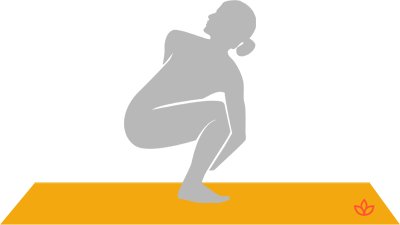
Pasasana, commonly known as Bound Revolved Squatting Toe Balance or Noose Pose, is an intermediate-level squatting twist that offers a profound stretch and numerous benefits. The Sanskrit term "Pasasana" (PAH-SHAH-sah-nah) directly translates to "Noose Pose," referencing the binding action of the arms around the legs. This dynamic pose encourages a deeper twist and more comprehensive benefits compared to foundational poses like Half Lord of the Fishes Pose, effectively stimulating digestion while simultaneously stretching the spine and shoulders.
How to Practice Pasasana (Noose Pose)
Follow these steps to safely and effectively practice Pasasana:
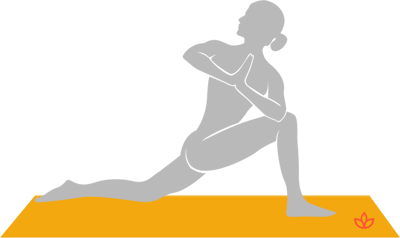
- Begin in a deep squat position with your feet flat on the floor and your knees together. Ensure your weight is evenly distributed through your feet.
- Exhale and extend your left arm to the outside of your right thigh. Bend your left elbow, bringing your left hand towards your left hip.
- Reach your right arm behind your back, aiming to grasp your left hand or wrist. If a full bind is not accessible, you can use a strap between your hands.
- On an exhalation, deepen the twist in your torso further to the right, rotating from your core.
- Gaze gently over your right shoulder, maintaining a steady breath.
- Hold the pose for several breaths, focusing on lengthening your spine with each inhale and twisting deeper with each exhale.
- Inhale to carefully unwind from the bind and return to the starting squat.
- Repeat the sequence on the other side, extending your right arm outside your left thigh and binding with your left arm behind your back.
For those looking for visual guidance or creative sequences, a yoga generator or Noose Pose generator can often provide helpful demonstrations and variations.
Benefits of Pasasana
Pasasana offers a wide array of physical and energetic benefits, making it a valuable addition to an intermediate yoga practice:
- Improves Balance: The squatting and balancing nature of the pose significantly enhances proprioception and stability.
- Strengthens and Increases Flexibility: This pose targets and strengthens the ankles, knees, and thighs, while simultaneously improving their flexibility.
- Enhances Spinal and Shoulder Flexibility: The deep twist is excellent for increasing the range of motion in the spine and opening the shoulders.
- Stimulates Abdominal Organs: The compression and twisting action massages the abdominal organs, which can aid in detoxification and improve overall digestion.
- May Help with Diabetes: By stimulating theagni (digestive fire) and internal organs, some yogic traditions suggest this pose can be beneficial for those managing diabetes.
- Chest Opener: The bind and twist work together to open the chest, improving posture and breath capacity.
Cautions and Contraindications
While Pasasana is beneficial, it's important to approach it with awareness and respect for your body's current condition. Avoid straining your neck if you have any existing neck injuries. Individuals with knee, ankle, or hip injuries should also exercise caution or avoid this pose. If you are pregnant, have severe low back pain, or suffer from chronic digestive issues like ulcers, it is advisable to consult with a healthcare professional or a qualified yoga instructor before attempting this pose. Listen to your body and never force a twist or bind beyond a comfortable range of motion. Poses such as Revolved Chair Pose can be excellent preparatory alternatives if the full bind is not yet accessible.
Pasasana (Noose Pose) Details
Here’s a snapshot of the key details for Pasasana:
| Detail | Description |
|---|---|
| Sanskrit Name | Pasasana |
| Pronunciation | PAH-SHAH-sah-nah |
| Pose Level | Intermediate |
| Drishti (Gaze Point) | Parshva (Side) |
| Pose Type | Balancing, Binds, Chest Openers, Twists |