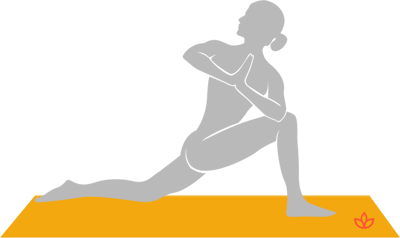
Noose Pose, or *Pasasana* (pah-SHAH-sah-nah), is a unique and invigorating intermediate twisting posture in yoga. Deriving its name from the Sanskrit word "Pasa," meaning "noose" or "snare," this pose involves wrapping the arms around the legs in a deep bind, creating a compact and profound spinal twist. It demands a significant degree of flexibility in the spine, shoulders, and ankles, making it a powerful pose for stimulating internal organs and improving overall range of motion.
When you're looking to explore deeper twists or introduce a challenging new element to your practice, the Noose Pose is an excellent candidate. If you're building sequences with a yoga generator or a dedicated Noose Pose generator, remember its intermediate classification and consider incorporating it after thorough warm-ups.
How to Practice Noose Pose (Pasasana)
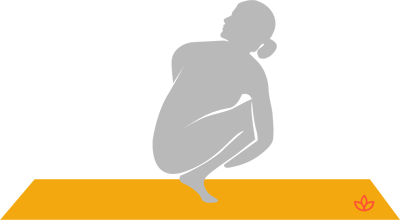
Noose Pose begins from a squat, making it different from many other seated or standing twists. Below are the step-by-step instructions:
Instructions
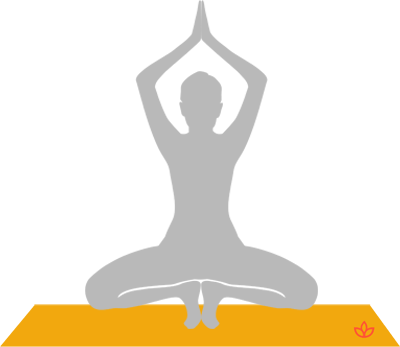
- Begin in a deep squat position with your feet together, heels lifted if necessary, and knees touching. Keep your spine long.
- As you exhale, initiate a twist to your right, bringing your torso over your right thigh.
- Tuck your left upper arm firmly to the outside of your right thigh. Bend your left elbow and reach your left forearm around your shins.
- Simultaneously, reach your right arm behind your torso, aiming to clasp hands with your left hand. If clasping is not possible, hold onto your clothing or use a strap for assistance.
- Draw your shoulder blades together and expand your chest. Gaze softly to the right, over your right shoulder.
- Hold the pose for several breaths, focusing on deepening the twist with each exhale and lengthening the spine with each inhale.
- To release, exhale and gently untwist, returning to the squatting position.
- Repeat the sequence on the opposite side, twisting to the left.
This pose builds on the foundational principles of twists, offering a more intense rotation than poses like Half Lord of the Fishes Pose. Focus on maintaining a long spine throughout the twist, rather than collapsing into it.
Benefits of Noose Pose
Pasasana offers a wide array of physical and energetic benefits:
- Strengthens Legs and Ankles: The squatting foundation of the pose engages and strengthens the muscles in the legs and improves ankle stability.
- Enhances Spinal Flexibility: The deep twist mobilizes the entire spine, increasing its rotational capacity and promoting a healthy range of motion.
- Opens Shoulders and Chest: The arm bind works to externally rotate the shoulders and broaden the collarbones, expanding the chest.
- Massages Abdominal Organs: The compression and twisting action gently massages the internal abdominal organs, potentially aiding digestion and detoxification.
- Stimulates Liver, Spleen, and Pancreas: This internal massage is believed to stimulate the function of these vital organs.
- Alleviates Sciatica Pain: For some practitioners, the spinal decompression and stretching involved can help to lessen discomfort associated with sciatica.
Cautions and Contraindications
While beneficial, Noose Pose requires caution and should be avoided or modified in certain situations:
- Ankle Injuries: Individuals with current or chronic ankle injuries should avoid this pose due to the direct pressure and stretch on the ankles in the squatting position.
- Knee Injuries: Be mindful of any knee discomfort. If you experience sharp pain, come out of the pose immediately.
- Spinal Issues: Those with severe back pain, disc herniation, or recent spinal surgery should refrain from practicing this deep twist.
- Pregnancy: Deep twists are generally not recommended during pregnancy.
Always listen to your body and consult with a healthcare professional or experienced yoga instructor if you have any concerns.
Noose Pose Details
| Sanskrit Name: | Pasasana |
| Pronunciation: | PAH-SHAH-sah-nah |
| Meaning: | Pasa (Noose/Snare) + Asana (Pose) |
| Pose Level: | Intermediate |
| Drishti: | Parshva (Side) |
| Pose Type: | Binds, Twists |