
Sphinx Pose (Salamba Bhujangasana)
Sphinx Pose, or Salamba Bhujangasana in Sanskrit, is a gentle yet powerful backbend that serves as an excellent introduction to deeper spinal extensions. Often considered a preparatory pose for more intense backbends like Cobra Pose, Sphinx Pose strengthens the back muscles while gently stretching the front of the body. Its accessible nature makes it a favorite in many yoga practices, whether you’re easing into your day or winding down.
What is Sphinx Pose?
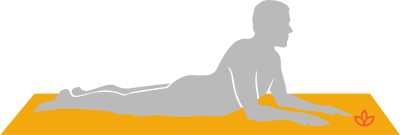
Salamba Bhujangasana translates directly from Sanskrit as "Supported Cobra Pose." Salamba means "with support" and Bhujangasana means "Cobra Pose" (bhujanga - snake or cobra, asana - pose). This pose involves lifting the chest and head from a prone position, resting on the forearms for support. It's an ideal pose for those seeking to alleviate mild back pain, improve posture, and gently awaken the spine. If you're using a yoga generator or a pose generator to build your practice, Sphinx Pose is frequently recommended for its foundational benefits.
How to Practice Sphinx Pose
Instructions:
- Begin by lying on your stomach with your legs extended straight back, tops of the feet on the mat.
- Bring your forearms to the floor, parallel to each other, with your elbows directly under your shoulders and palms flat on the mat. Your fingertips should point forward.
- On an inhale, gently lift your head and chest from the floor, extending through the crown of your head. Keep your neck long and avoid compressing the back of your neck.
- Engage your core slightly to support your lower back. Allow your gaze (drishti) to be soft, either forward or slightly downward towards the tip of your nose (Nasagre).
- If you feel any compression in your lower back, gently slide your forearms slightly forward to create more length in your spine.
- Breathe deeply and evenly while holding the pose, allowing each inhalation to gently expand your chest and each exhalation to ground your hips.
- To release, gently lower your chest and head back to the mat. You can rest your cheek on the mat or turn your head to one side.
Benefits of Sphinx Pose
Sphinx Pose offers a range of physical and subtle benefits due to its gentle backbending action and supported nature:
- Strengthens the Spine: Engages and tones the muscles along the spine, promoting better posture and spinal health.
- Stretches the Back and Relieves Back Pain: Creates a gentle arch in the lumbar spine, which can help decompress the vertebrae and alleviate mild lower back discomfort. For those seeking back pain relief, consistent practice can be very beneficial.
- Expands the Lungs: The chest-opening action helps to create space around the heart and lungs, potentially improving respiratory capacity.
- Stimulates Abdominal Organs: The gentle compression of the abdomen can stimulate the digestive system and improve organ function.
- Soothes the Nervous System: As a mild backbend, it can be both energizing and calming, helping to reduce stress and anxiety.
- Primes for Deeper Backbends: It acts as an excellent preparatory pose for more intense backbends, gently opening the spine without overstraining. You might find this included in a Bow Pose generator sequence.
Cautions and Contraindications
While Sphinx Pose is generally considered safe and gentle, it's always wise to listen to your body. No known universal contraindications exist, but individuals should exercise caution or avoid the pose if experiencing:
- Severe back injury or chronic back pain (consult a healthcare professional or qualified yoga therapist).
- Recent abdominal surgery.
- Headache or migraine.
- Pregnancy (can be modified by placing a blanket under the hips and elbows, or practiced for shorter durations).
If at any point you feel sharp pain, dizziness, or discomfort, gently exit the pose.
Pose Details
| Sanskrit Name: | Salamba Bhujangasana |
| Pronunciation: | SAH-lahm-bah bhoo-jahn-GAH-sah-nah |
| English Name: | Sphinx Pose |
| Pose Level: | Beginner |
| Drishti (Gaze): | Nasagre (Tip of the nose) |
| Pose Type: | Backbend |
| Counter Poses: | Gentle forward folds such as Child's Pose or Seated Forward Bend. |
AI Yoga Pose Examples — Before & After
See how AI transforms your original photo into accurate yoga poses, portrait poses, or iconic JoJo poses. 100% automatic and beginner-friendly.
Popular Yoga Poses Library
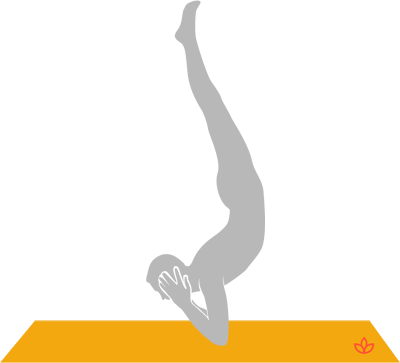
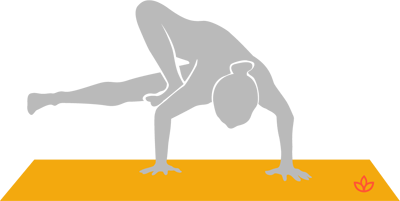
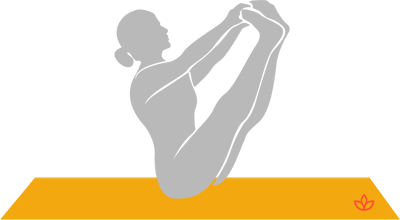
Browse a curated list of Yoga poses including beginner poses, standing balances, backbends, forward bends, hip openers and more. Click any pose to start generating your AI Yoga pose instantly.
How the AI Sphinx-pose Pose Generator Works
A simple three-step workflow. Upload your photo, choose a pose, and let AI transform you into a perfect Sphinx-pose posture with clean alignment and high-quality rendering.
Choose a Pose
Explore a curated library of Sphinx-pose poses. Filter by difficulty, style, composition, or special categories.
Upload Your Photo
Upload any photo — full-body, half-body, or portrait. The AI analyzes your proportions, limb positions, lighting, and visual context.
Generate the Pose
With one click, AI transforms your appearance into the selected Sphinx-pose pose — keeping realistic anatomy, natural body flow, and consistent artistic style.