Revolved Side Angle Pose (Parivrtta Parsvakonasana)
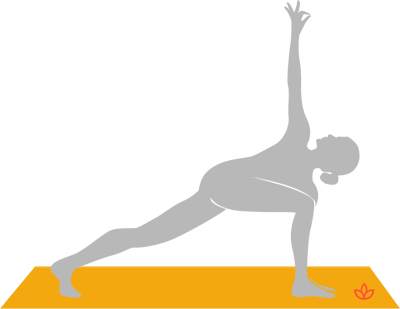
Revolved Side Angle Pose, known in Sanskrit as Parivrtta Parsvakonasana (par-vrt-tah parsh-vah-koh-NAH-sah-nah), is a dynamic yoga posture that masterfully combines a deep twist with an expansive side stretch. The term Parivrtta means "revolved," Parsva translates to "side" or "flank," and Kona means "angle," culminating in "Revolved Side Angle Pose." It is a powerful pose that challenges balance, flexibility, and core strength, making it a favorite for those seeking to deepen their practice.
What is Revolved Side Angle Pose?
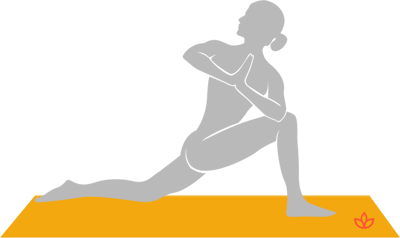
This intermediate-level standing pose originates from a lunge position. The torso rotates deeply, bringing the lower hand to the outside of the front foot while the top arm extends powerfully alongside the ear, creating a long line of energy through the side body. While sharing some similarities with Revolved Triangle Pose, Revolved Side Angle Pose generally presents a more intense twisting and balancing experience due to the bent knee in the front leg and the deeper engagement required.
For practitioners exploring a variety of yoga twists, a reliable yoga pose generator might suggest Revolved Side Angle Pose as an excellent next step after mastering less intense rotations.
How to Practice Revolved Side Angle Pose
Follow these instructions to safely and effectively practice Parivrtta Parsvakonasana:
- Begin in a lunge position with your right foot forward, ensuring your right knee is stacked directly over your right ankle. Your back foot (left foot) should be grounded, angled out at about 45 degrees, similar to the foot placement in Warrior One Pose.
- On an exhale, begin to rotate your torso to the right. Bring your left hand down to the floor or a block, placing it to the outside of your right foot. If this is too challenging, you can rest your left elbow on your right knee, or use a yoga block under your hand.
- Inhale and sweep your right arm up towards the ceiling, then extend it forward alongside your right ear, creating a long, elegant line from the back heel through the fingertips. Lengthen both sides of the torso equally.
- Actively press into both feet, grounding evenly. Draw your navel towards your spine to deepen the twist and support your lower back.
- Maintain a steady, deep breath throughout the pose. Direct your gaze (drishti) upwards towards the sky (Urdhva).
- To release, exhale and untwist, returning to a lunge or stepping back to Downward-Facing Dog. Repeat on the left side.
Benefits of Revolved Side Angle Pose
Parivrtta Parsvakonasana offers a wealth of physical and energetic benefits:
- Improves Digestion: The deep abdominal twist stimulates the digestive organs, promoting healthy elimination.
- Detoxifies the Spine: Twisting actions are thought to "wring out" the spine, enhancing circulation and bringing fresh, oxygenated blood to the spinal column.
- Tones the Legs: Holding this pose requires significant engagement from the quadriceps, hamstrings, and glutes, strengthening and toning the entire leg musculature.
- Enhances Balance: As a standing and twisting posture, it challenges and improves overall balance and proprioception. A pose generator working on stability sequences would undoubtedly include this.
- Increases Stamina: The effort required to maintain the pose builds muscular and mental endurance.
- Stretches the Hips and Groin: The lunge foundation provides a deep stretch for the hips and inner groin.
- Opens the Chest and Shoulders: The expansive top arm and rotated torso help to open the chest and stretch the shoulders.
Cautions and Contraindications
While highly beneficial, Revolved Side Angle Pose should be approached with mindfulness. Avoid this pose if you experience:
- High or low blood pressure.
- Migraine or headache.
- Insomnia.
- Recent abdominal surgery.
- Serious back or spinal injury.
- Pregnancy (modifications may be suitable, but consult with a healthcare provider and experienced yoga instructor).
Always listen to your body and modify the pose as needed.
Revolved Side Angle Pose Details
| Sanskrit Name: | Parivrtta Parsvakonasana |
| Pronunciation: | par-vrt-tah PARS-vah-koh-NAH-sah-nah |
| Pose Level: | Intermediate |
| Drishti (Gaze Point): | Urdhva (Toward the sky) |
| Pose Type: | Balancing, Forward Bends, Standing Poses, Twists |