Revolved Head-to-Knee Pose (Parivrtta Janu Sirsasana)

**Revolved Head-to-Knee Pose**, known in Sanskrit as *Parivrtta Janu Sirsasana* (pah-ree-VṚT-tah JAH-noo sheer-SHAH-sah-nah), is a profound seated twisting posture. The name breaks down as *Parivrtta* (revolved), *Janu* (knee), and *Sirsa* (head), literally translating to Revolved Head-to-Knee Pose. This pose is a deeper variation of Head-to-Knee Pose A, offering enhanced benefits due to its strong spinal twist and lateral stretch.
What is Revolved Head-to-Knee Pose?
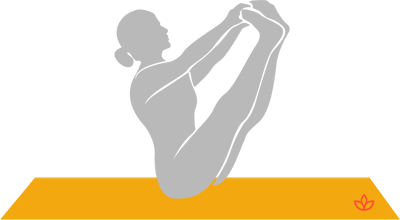
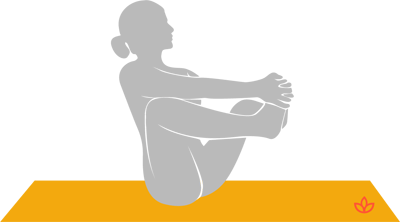
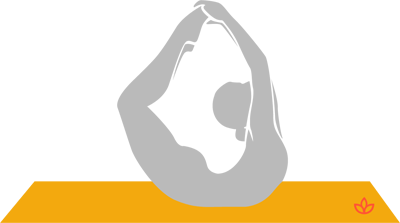
In this pose, practitioners sit with one leg extended and the other bent, placing the foot near the inner groin. From this foundation, the torso twists deeply towards the extended leg, with one arm reaching along the extended leg to grasp the foot, and the other arm extending overhead to also bind the foot. This creates an invigorating side bend and spinal rotation, opening the chest and stimulating the internal organs. It challenges flexibility in the hamstrings, shoulders, and spine, making it an advanced pose best approached after a thorough warm-up.
If you're exploring different seated twists or looking for inspiration for your practice, a yoga generator often suggests poses like this one to deepen your experience with rotation and flexibility.
How to Practice Revolved Head-to-Knee Pose
Instructions:
- Begin seated in Staff Pose (Dandasana) with both legs extended straight in front of you.
- Bend your left leg and bring the sole of your left foot to your inner right thigh, close to your groin. Allow your left knee to open out to the side.
- Inhale and lengthen your spine, rooting down through your sitting bones.
- Exhale and begin to twist your torso to the right, aligning your chest over your extended right leg.
- Reach your right arm forward and alongside your inner right leg, grasping the outside of your right foot with your right hand. If you cannot reach your foot comfortably, use a strap around the sole of your foot.
- Inhale and extend your left arm overhead, reaching towards your right foot.
- Exhale as you deepen the twist, aiming to grasp the outside of your right foot with your left hand. Bend your elbows and actively draw your left shoulder back, opening your chest towards the ceiling.
- Continue to lengthen through your spine and turn your gaze (Drishti) upwards towards the sky.
- Hold the pose for several breaths, maintaining a steady, even breath.
- To release, exhale, gently untwist your torso, and return to Staff Pose.
- Repeat on the other side, bending your right leg and extending your left.
Benefits of Revolved Head-to-Knee Pose
- Stretches the hamstrings, spine, and shoulders deeply.
- Stimulates and massages the abdominal organs, including the liver and kidneys, which aids in detoxification.
- Invigorates digestion by compressing and releasing the abdominal region.
- Improves circulation to the spinal column, nourishing the discs and nerves.
- Helps to relieve mild backache by increasing spinal flexibility.
- Opens the chest and shoulders, promoting better posture and breathing.
Cautions and Contraindications
Avoid practicing Revolved Head-to-Knee Pose if you have any existing injuries in the knees, hips, back, or shoulders. Individuals with sciatica should approach this pose with extreme caution or avoid it entirely. Always listen to your body and never force the twist or stretch beyond a comfortable range. If you are pregnant, consult with a qualified yoga instructor or healthcare provider before attempting this pose.
Revolved Head-to-Knee Pose Details
| Sanskrit Name: | Parivrtta Janu Sirsasana |
| Pronunciation: | pah-ree-VṚT-tah JAH-noo sheer-SHAH-sah-nah |
| Pose Level: | Advanced |
| Drishti (Gaze): | Urdhva (Toward the sky) |
| Pose Type: | Binds, Chest Openers, Hip Openers, Seated Poses, Twists |