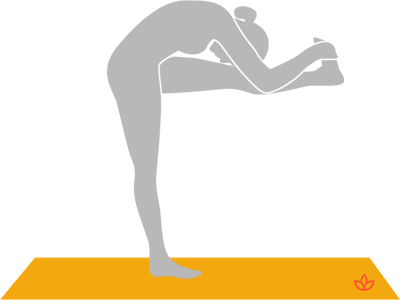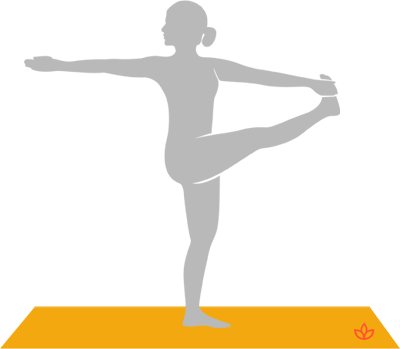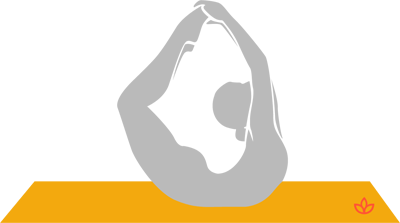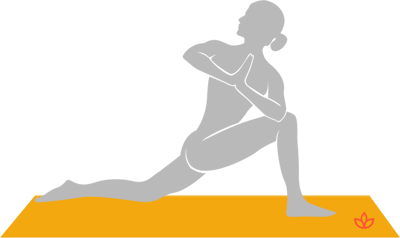
Heron Pose (Krounchasana)
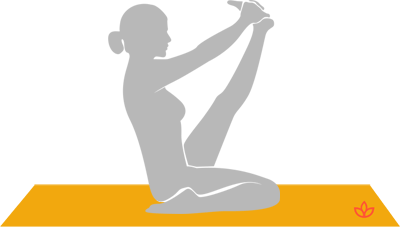
Heron Pose, known in Sanskrit as Krounchasana (pronounced crown-CHAH-sah-nah), is a distinctive seated forward fold that challenges flexibility and core engagement. The name "Krounchasana" comes from "krouncha," meaning "heron" or "curlew," and "asana," meaning "pose." This graceful posture evokes the image of a heron lifting one long leg. Unlike traditional forward folds where the torso reaches for the leg, in Heron Pose, the leg is actively drawn upwards towards the head, offering an intense and rewarding stretch.
This intermediate-level seated posture provides a deeper stretch than many standard seated forward bends, making it an excellent addition for practitioners looking to advance their flexibility and build strength in the core and hamstrings.
How to Practice Heron Pose
Follow these steps to safely and effectively practice Krounchasana:
- Begin in Staff Pose (Dandasana) with both legs extended straight in front of you.
- Bend your right knee and draw your heel in towards your right hip, so your calf rests alongside your thigh, similar to the position of Hero Pose. Ensure your right foot is pointing straight back and your knee is comfortable.
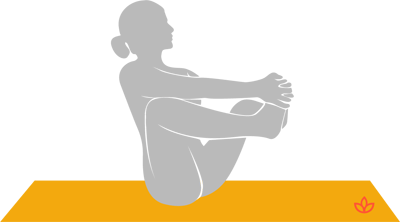
- Exhale and bend your left knee, drawing it towards your chest.
- Grasp the sole of your left foot firmly with both hands, interlacing your fingers or using a strap if necessary.
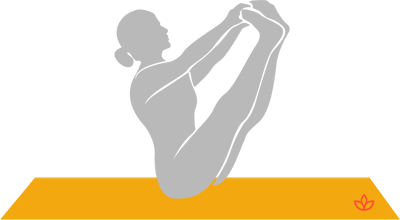
- Inhale as you begin to extend your left leg upward, straightening it as much as possible while keeping your foot gripped.
- On an exhale, gently draw your torso towards your lifted leg and, simultaneously, pull your lifted leg closer to your torso. Aim to keep your spine long and avoid rounding your back excessively.
- Hold the pose for several breaths, focusing on a steady gaze (drishti) towards the tip of your nose (Nasagre).
- Exhale to release the leg down and return to Dandasana.
- Repeat the sequence on the other side, bending the left leg back and lifting the right leg.
If you're exploring new poses or looking for variations, a Heron Pose generator or a general yoga generator can often provide cues and modifications to suit your practice level.
Benefits of Heron Pose
Incorporating Heron Pose into your practice can offer numerous physical advantages:
- Deeply stretches the hamstrings and calf muscles of the lifted leg.
- Stretches the quadriceps and hip flexors of the bent-back leg.
- Tones the abdominal organs, which can promote healthy digestive function.
- Strengthens the core muscles as you balance and lift the leg.
- Improves overall flexibility in the legs and hips.
Cautions and Contraindications
While Heron Pose is beneficial, it's important to approach it with awareness:
- Avoid this pose if you have any knee injury, particularly in the knee of the leg that is bent back. The deep flexion can put undue stress on compromised ligaments or cartilage.
- Individuals with hamstring injuries should proceed with extreme caution or avoid the pose until fully recovered.
- If you experience any sharp pain in the hips, knees, or lower back, gently release the pose.
- Listen to your body and do not force the stretch. Use a strap around the foot if you cannot comfortably reach it with your hands or fully straighten your leg.
Heron Pose Details
| Sanskrit Name: | Krounchasana |
| Pronunciation: | crown-CHAH-sah-nah |
| Drishti: | Nasagre (Tip of the nose) |
| Pose Level: | Intermediate |
| Pose Type: | Core, Forward Bends, Seated Poses |