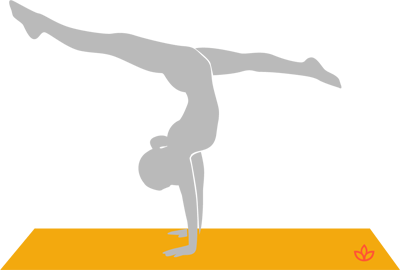
Forearm Stand (Pincha Mayurasana)
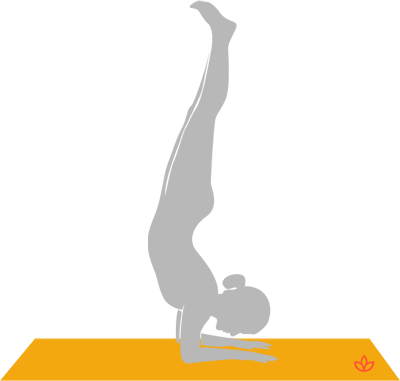
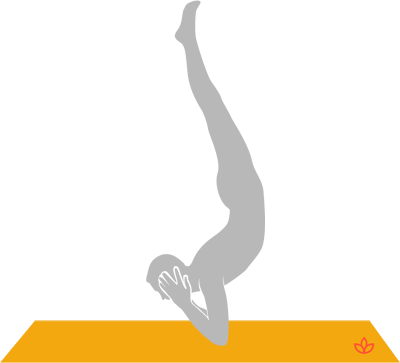
Pincha Mayurasana, or Forearm Stand, is a striking inversion and arm balance that cultivates profound physical equilibrium and mental focus. In Sanskrit, "Pincha" means feathers, and "Mayura" means peacock, hence it is often referred to as Feathered Peacock Pose. This pose beautifully mimics a peacock displaying its magnificent tail feathers.
Building from Dolphin Pose, practitioners elegantly lift their feet skyward, balancing with strength and grace on their forearms. Pincha Mayurasana demands not only significant upper body and core strength but also a deep sense of concentration and awareness, making it a truly rewarding challenge on the mat.
How to Practice Forearm Stand
Follow these instructions to safely and effectively practice Forearm Stand:
- Begin in Dolphin Pose: Start on your hands and knees. Lower your forearms to the mat, ensuring they are parallel to each other with your elbows no wider than your shoulders. Spread your fingers wide and press firmly through your entire forearms and palms. Look slightly forward, not down at your hands.
- Lift and Prepare: Tuck your toes and lift your hips towards the sky, coming into a modified Downward-Facing Dog Pose on your forearms. Walk your feet closer to your elbows as much as possible while keeping your spine long.
- Engage and Lift: On an exhale, bend one knee and gently kick with that foot, simultaneously lifting the other leg towards the sky. The kick should be controlled, using your core strength rather than momentum. Aim to stack your hips over your shoulders.
- Balance and Extend: Once your feet are lifted, continue to reach your toes towards the ceiling, maintaining a straight line from your shoulders through your hips to your heels. Actively press your elbows into the floor, lifting away from your shoulders to create space in your neck.
- Hold and Breathe: Gaze towards the tip of your nose (Nasagre Drishti) to help maintain balance and focus. Breathe deeply and evenly throughout the pose.
- Release: To come out of the pose, gently lower one leg at a time back to the floor, returning to Dolphin Pose, or flow into a Child’s Pose for rest.
For those looking to visualize or refine their technique, a Forearm Stand pose generator can offer insights into optimal alignment.
Benefits of Forearm Stand
Practicing Pincha Mayurasana offers a wealth of physical and mental benefits:
- Strengthens Shoulders and Arms: This pose significantly builds strength in the deltoids, triceps, and forearms, preparing the body for more advanced arm balances.
- Strengthens the Core: Maintaining stability in an inversion heavily engages the abdominal muscles, leading to a stronger and more engaged core.
- Improves Balance and Focus: The intricate balance required hones proprioception and demands deep mental concentration, enhancing overall equilibrium and mindfulness.
- Increases Blood Flow to the Brain: As an inversion, Pincha Mayurasana reverses blood flow, bringing fresh, oxygenated blood to the brain, which can promote mental clarity and invigorate the nervous system.
- Calms and Clears the Mind: The focused effort required to hold the pose can act as a moving meditation, helping to quiet mental chatter and cultivate a sense of inner peace.
Cautions and Contraindications
Forearm Stand is an advanced pose and should be approached with caution. Avoid practicing Pincha Mayurasana if you have:
- Shoulder, neck, or back injuries.
- High blood pressure or heart conditions.
- Headaches or migraines.
- Are pregnant or menstruating.
Always listen to your body and consult with a qualified yoga instructor if you have any concerns or pre-existing conditions.
Forearm Stand Details
For instructors or advanced practitioners utilizing a yoga generator for sequence planning, here are the key details for Pincha Mayurasana:
| Sanskrit Name: | Pincha Mayurasana |
| Pronunciation: | PIN-chah my-YUR-AH-sah-nah |
| Pose Level: | Advanced |
| Drishti: | Nasagre (Tip of the nose) |
| Pose Type: | Arm Balance, Balancing, Core, Inversion, Strength |
A high-quality pose generator can even help in creating visuals to assist in understanding the alignment of this challenging yet beautiful pose.