Equestrian Pose (Ashwa Sanchalanasana)
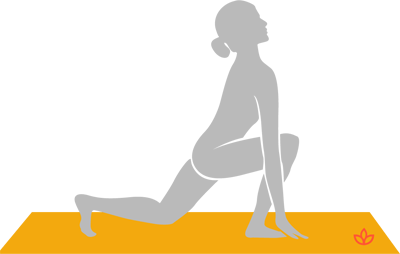
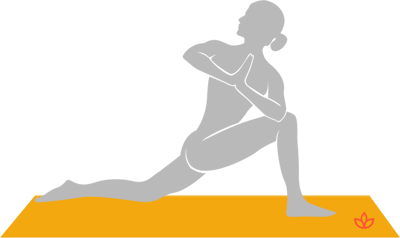
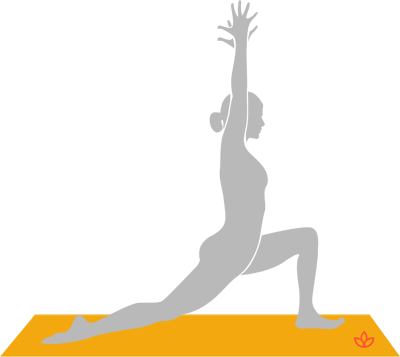
Equestrian Pose, known in Sanskrit as Ashwa Sanchalanasana (AH-shwah sahn-chahl-ah-NAH-sah-nah), translates literally to "Horse Riding Pose." This fundamental lunge posture is a key component of the Sun Salutation (Surya Namaskara) sequence, typically appearing as the fourth and ninth poses. It’s a dynamic pose that establishes a strong foundation, opening the hips and lengthening the spine.
How to Practice Equestrian Pose
Equestrian Pose is an accessible posture for most practitioners and often serves as a preparatory pose for deeper hip openers and lunges.
Instructions:
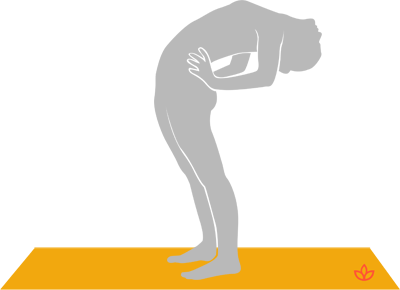
- Begin from Standing Forward Bend (Uttanasana).
- As you inhale, step your right foot far back, placing the ball of your foot on the mat.
- Simultaneously, bend your left knee, ensuring it aligns directly over your left ankle so that your shin is perpendicular to the floor.
- Ground your fingertips lightly onto the mat on either side of your front foot, or use blocks for added support if needed.
- Draw your chest forward and lengthen your spine, extending through the crown of your head. Gaze gently forward or towards your third eye (Bhrumadhye Drishti).
- Engage your back leg, keeping it strong and straight, with the heel reaching back.
- Hold the pose for several breaths, feeling the stretch in the hips and the strength in your legs.
- To exit, on an exhale, step your back foot forward to return to Standing Forward Bend, or transition to the next pose in your sequence.
For those exploring variations or sequencing, an advanced yoga generator can help integrate Ashwa Sanchalanasana into more complex flows, offering options like Crescent Lunge Pose or Revolved Crescent Lunge as natural progressions.
Benefits of Equestrian Pose
Ashwa Sanchalanasana offers a multitude of physical benefits, making it a valuable pose in any yoga practice:
- Builds Leg Strength: This pose actively engages the quadriceps, hamstrings, and glutes, developing stability and power in the lower body.
- Improves Flexibility: It provides a deep stretch to the hip flexors of the back leg and the groin of the front leg, enhancing overall leg and hip flexibility.
- Stretches the Spine: By encouraging a long, extended spine, the pose helps to decompress the vertebrae and improve spinal mobility, contributing to better posture.
- Opens the Hips: Regular practice can help alleviate tightness in the hips, which is common from prolonged sitting.
- Enhances Balance and Focus: Maintaining stability in this lunge requires concentration, thereby improving your balance and mental focus on the mat.
Cautions and Contraindications
While Equestrian Pose is generally safe for beginners, it's important to be mindful of your body and avoid the pose or modify it if you experience any of the following:
- Knee Injuries: Individuals with existing knee injuries should approach this pose with caution or avoid it entirely. Ensure the front knee does not extend past the ankle to protect the joint.
- Ankle Injuries: If you have acute ankle pain or injuries, the deep flexion in the front ankle and the weight-bearing on the back foot may exacerbate the condition.
- Hip Issues: Those with severe hip problems should consult with a healthcare professional or an experienced yoga instructor before attempting.
Always listen to your body and prioritize proper alignment over depth in the pose. If discomfort arises, ease out of the posture.
Equestrian Pose Details
| Sanskrit Name: | Ashwa Sanchalanasana |
| Pronunciation: | AH-shwah sahn-chahl-ah-NAH-sah-nah |
| Pose Level: | Beginner |
| Drishti (Gaze Point): | Bhrumadhye (Third Eye) |
| Pose Type: | Standing Poses, Hip Openers |
Whether you're using a pose generator to build a customized sequence or flowing through a traditional Sun Salutation, Equestrian Pose is a foundational posture that strengthens, stretches, and stabilizes the body.