Eagle Pose (Garudasana)
What is Garudasana?
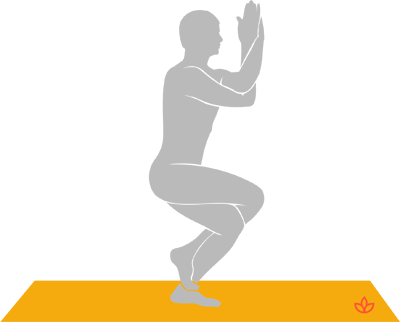
Garudasana (pronounced gar-oo-DAH-sah-nah), or Eagle Pose, is a challenging standing balancing posture that demands intense focus and concentration as much as it does flexibility. The name *Garudasana* comes from the Sanskrit word "Garuda," which refers to a mythical "eagle-like" king of birds, often depicted as the vehicle of the Hindu deity Vishnu. This pose beautifully mimics the powerful, coiled form of an eagle, with the limbs intertwined to cultivate stability and inner strength.
How to Practice Eagle Pose
Eagle Pose requires precision in its binds, both in the legs and arms. Take your time entering and exiting the pose, focusing on your breath to maintain balance. If you're using a pose generator or a yoga generator to plan your practice, Garudasana is an excellent addition for building core stability and mental clarity.
- Begin in a standing position, such as Mountain Pose (Tadasana), with your feet hip-width apart and your spine long.
- Slightly bend both knees. Inhale, then as you exhale, lift your right leg and wrap it over your left thigh. Aim to hook your right foot behind your left calf. If this isn't accessible, simply cross your thighs and press the top of your right foot against your left shin.
- Shift your weight slightly into your left foot, grounding down evenly through the four corners of your foot.
- For the arms, extend both arms forward. Bring your right arm under your left arm, crossing them at the elbows.
- Bend your elbows, bringing your forearms perpendicular to the floor. Now, try to bring your palms together, intertwining your hands. If your palms don't meet, press the backs of your hands together.
- Lift your elbows slightly away from your chest and draw your shoulder blades down your back.
- Find a single, unmoving point (Drishti) in front of you—often the tip of your nose (Nasagre Drishti) for this pose—to aid in balance.
- Breathe deeply and evenly while maintaining the posture for 15-30 seconds.
- To release, gently unwind your arms and then your legs, returning to a standing position. Repeat on the other side.
Benefits of Eagle Pose
Garudasana offers a multitude of benefits, both physical and mental:
- Improves Balance: As a single-leg balancing pose, it significantly strengthens the ankles and develops proprioception.
- Develops Focus and Concentration: The intricate binds and the need for steady gaze (Drishti) train the mind to remain present and focused.
- Enhances Joint Flexibility: The deep crossing action in the legs and arms helps to stretch the hips, thighs, shoulders, and upper back.
- Strengthens Leg Muscles: The standing leg works intensely to support the body, building strength in the quadriceps and glutes.
- Stretches Major Joints: It provides a deep stretch to the shoulders, upper back, and outer hips, releasing tension in these areas.
Cautions and Contraindications
While Eagle Pose is a beneficial posture, it's important to approach it with awareness. Individuals with certain conditions should modify or avoid the pose:
- Knee Injuries: If you have a knee injury, especially in the standing leg or the knee of the top leg, proceed with caution or avoid the pose. You can modify by not hooking the foot behind the calf.
- Ankle Injuries: Those with recent ankle sprains or sensitivity should avoid Garudasana.
- Shoulder Issues: If there's significant shoulder stiffness or injury, modify the arm bind by simply hugging your shoulders or pressing the backs of your hands together rather than the palms.
- Balance Challenges: New practitioners or anyone struggling with balance can practice near a wall for support, gently pressing a hand against it if needed.
- Pregnancy: As a standing balancing pose, pregnant individuals may need to use wall support or modify as their center of gravity shifts.
Eagle Pose Details
| Category | Detail |
|---|---|
| Sanskrit Name | Garudasana |
| Pronunciation | gar-oo-DAH-sah-nah |
| English Name | Eagle Pose |
| Drishti | Nasagre (Tip of the nose) |
| Yoga Level | Beginner |
| Pose Type | Balancing, Binds, Standing Poses |