Crane Pose (Bakasana)
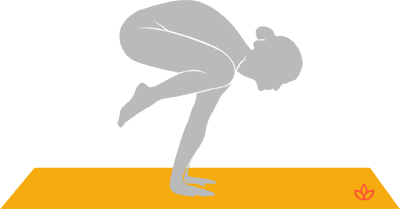
Crane Pose, known in Sanskrit as Bakasana (bah-KAH-sah-nah), is a demanding arm-balancing yoga posture that echoes the elegant stance of a crane. The name derives from "Baka" meaning "crane" and "asana" meaning "posture." It requires significant upper body strength, core engagement, and mental focus, making it a powerful pose for building both physical and psychological fortitude. Often considered more advanced than Crow Pose due to the requirement for straighter arms, Bakasana cultivates a deep sense of balance and concentration.
How to Practice Crane Pose (Bakasana)
Follow these steps to safely enter and hold Bakasana:
- Begin in a squat position, with your feet hip-width apart and knees bent.
- Place your hands on the mat directly in front of you, shoulder-width apart, fingers spread wide and pointing forward.
- Lean forward, bringing your knees to rest high up on your triceps, as close to your armpits as possible. Engage your core to lift your hips.
- Exhale and shift your weight progressively forward, lifting one foot, then the other, off the floor. Keep your gaze (Drishti) fixed on a point just ahead of your fingertips, known as Nasagre (tip of the nose), to maintain balance.
- Actively press down through your hands, engaging your fingertips to grip the mat. Straighten your arms as much as possible, lifting your hips higher.
- Bring your big toes to touch, or keep your feet slightly apart, and draw your heels towards your glutes.
- Hold the pose for several breaths, maintaining a steady, controlled breath.
- To release, gently lower your feet back to the mat and return to a squat.
For those exploring various arm balances, a yoga pose generator can be a useful tool to discover sequences that build strength for poses like Bakasana.
Benefits of Crane Pose
Practicing Bakasana offers numerous physical and mental advantages:
- Strengthens the Core: The deep abdominal engagement required to lift and stabilize the legs and torso effectively strengthens the entire core musculature.
- Builds Arm and Wrist Strength: This pose significantly develops strength in the forearms, wrists, and shoulders, preparing the body for more complex inversions and arm balances.
- Enhances Focus and Concentration: The intense focus needed to maintain balance sharpens mental clarity and improves concentration.
- Improves Balance: Bakasana directly challenges and refines the practitioner's sense of balance and proprioception.
- Boosts Confidence: Mastering a challenging pose like Bakasana can significantly increase self-confidence and a sense of accomplishment.
Cautions and Contraindications
While beneficial, Crane Pose should be approached with care. Avoid practicing Bakasana if you have:
- Any existing wrist injury, carpal tunnel syndrome, or discomfort in the wrists.
- Shoulder or elbow injuries.
- Pregnancy.
- Those new to arm balances may want to start with preparatory poses like Dolphin Plank Pose to build foundational strength.
Crane Pose Details
| Sanskrit Name | Bakasana |
|---|---|
| Pronunciation | bah-KAH-sah-nah |
| Pose Level | Advanced |
| Drishti (Gaze) | Nasagre (Tip of the nose) |
| Pose Type | Arm Balance, Balancing, Core, Strength |